Pothos Root Rot: Unpot It Now, Then Decide
Pothos wilting on wet soil means root rot — stop watering and unpot it. The roots tell you in ten seconds whether to trim and repot or cut a healthy vine and start over. Here's the rescue.
8 min read · Updated 2026-11-18
By PlantFix Editorial Team · Sources: University Extension Programs, USDA, EPA
Wilting on Wet Soil? Stop Watering and Unpot It
If your pothos is wilting, drooping, or yellowing while the soil is still wet, the move is to stop watering and slide it out of the pot — the roots will tell you in ten seconds whether this is a quick trim-and-repot or a start-over. That sounds drastic, but a wilting plant on wet soil is the classic root-rot signal, and waiting or watering only makes it worse. The University of Maryland Extension describes exactly this trap: a root-rotted plant "will wilt even when adequate moisture is present in the potting media."
Here's the reassurance that makes pothos (Epipremnum aureum) the best-case plant to find this on: it is the easiest houseplant on earth to restart from a cutting. Even if the roots are completely gone, a healthy length of vine re-roots in a jar of water. So root rot on a pothos is almost never a death sentence — worst case, you re-grow the plant from a surviving piece. The rest of this guide is the ten-second confirmation, the step-by-step rescue, and the propagate-the-survivors escape hatch. If you're not sure the wilt is rot versus simple thirst, our diagnosis tool reads it from a photo.
Confirm It's Rot, Not Thirst
Rot and thirst both look like wilting, so check the soil and the roots before you act — because the fixes are opposites. Dry, light pot + wilting is thirst; water it. Wet, heavy soil + wilting, soft stems, maybe a sour smell is rot; do not water it. NC State Extension confirms the cause for pothos specifically: "Root rot and blackening of the leaf margins can occur with overwatering."
The definitive check is the roots themselves. Slide the plant out and look: firm, pale, stringy roots are healthy and mean you likely caught it early — just let the soil dry out and the plant should recover. Brown or black, soft, mushy roots that slough off when you touch them are rotted — the University of Maryland describes rotted roots as "brown to black and soft or mushy." This page keeps the root-rot biology short on purpose; for the full mechanism of how overwatering suffocates roots and what the fungi involved are doing, our root rot guide covers it across all houseplants. What follows is the part that's specific to rescuing a pothos.
The Rescue, Step by Step
If the roots are rotted but you've still got healthy vine, a pothos is very recoverable. Work through it in order:
- Unpot and rinse. Take the plant out, and rinse the soil off the roots under lukewarm water so you can actually see what's firm and what's mush.
- Trim all the rot. With clean, sharp scissors, cut away every brown, black, or mushy root and any soft, blackened section of stem. Cut back to firm, pale tissue. Don't be timid — soft tissue left behind keeps rotting.
- Repot into fresh, fast-draining mix. Use a clean pot with drainage holes and fresh airy mix (potting soil cut with perlite or orchid bark). Never reuse the old soggy soil — it's carrying the problem.
- Water sparingly, then wait. Water lightly to settle the roots, then let the top of the mix dry before watering again. A recovering pothos needs less water than a healthy one because it has fewer roots to drink with.
For the paced recovery schedule — how much to water, when to expect new growth, and when to worry — hand off to the treatment plan, which sequences the weeks after a repot so you don't overwater the plant right back into rot.
Roots Too Far Gone? Propagate the Survivors
This is the pothos-specific escape hatch the generic root-rot advice can't give you: when the roots are completely gone and the base is mush, you don't have to save the original plant — you re-grow it from a healthy piece. The University of Maryland's rule for severe root rot is to "throw away severely infected plants and only take stem cuttings from healthy tissue," and pothos makes that trivially easy.
Find a length of vine that's still firm and green, well above any rot. Cut it into pieces, each with a few leaves and at least one node — the little nub on the stem opposite a leaf, where new roots emerge. Drop the cuttings in a jar of water with the nodes submerged and the leaves out, set it in bright indirect light, and change the water every few days. In a couple of weeks you'll have white water roots an inch or two long; pot the cuttings up in fresh mix and you've started over, often with a healthier plant than the one you lost. Discard the rotted rootball and its soil rather than trying to nurse it — the cutting is your plant now.
Stop It From Happening Again
Root rot on a pothos is nearly always an overwatering story, and pothos are forgiving enough that a few habits prevent the repeat for good:
- Let the soil dry between waterings. NC State's guidance for pothos is to "let the well-drained potting medium dry out between watering" — pothos far prefer a little dry to a little too wet.
- Use a pot with drainage holes. A decorative cachepot with no hole is the single most common hidden cause of pothos rot. Keep the plant in a plastic nursery pot you can lift out, and empty the outer pot after watering.
- Give it bright, indirect light. NC State notes pothos "prefers bright, indirect light"; a plant in good light uses water faster and keeps the soil from staying soggy for days.
- Water less in winter. Cool, low-light rooms dry slowly, so stretch the interval — the summer schedule is what rots plants in January.
If you chronically misjudge wet versus dry, a moisture meter settles it; you'll find the ones we use, plus airy mixes and nursery pots, on our plant care gear page. And if the leaves are yellowing or curling rather than outright rotting, our pothos yellow leaves and pothos leaves curling guides catch the problem earlier.
Recommended Products
We earn a commission if you buy through these links, at no extra cost to you. We recommend based on what works, not what pays. How this works.
A repotted pothos needs airy mix, not the dense soggy soil it rotted in. A blend with added perlite or orchid bark drains fast and gives the trimmed roots oxygen so the rot doesn't restart.
$10-$18 · Best for Repotting after you've trimmed the rotted roots
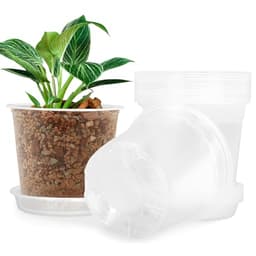
A cachepot with no drainage hole is the number-one hidden cause of pothos rot. Keep the plant in a plastic nursery pot with real holes you can lift out to water, slipped inside any decorative pot you empty after watering.
$8-$16 · Best for Replacing a no-drainage pot that caused the rot
Check price on Amazon →
Chronic overwatering is what rots pothos roots. A probe reads moisture at the root zone so you water only when the lower soil is dry — the simplest insurance against a repeat.
$10-$15 · Best for Chronic overwaterers who want a clear go/no-go signal
Check price on Amazon →Treatment information on PlantFix is educational. When using any pesticide — including organic options like neem oil or insecticidal soap — read and follow the entire product label; the label is the law. For persistent or high-stakes problems, your local university extension service offers free, region-specific advice. Read about how we source and verify treatment guidance in our Editorial Standards.
FAQ
Can a pothos recover from root rot?▼
Very often, yes — pothos is one of the most recoverable plants there is. If some firm, pale roots remain, unpot it, trim away every brown mushy root, repot in fresh fast-draining mix, and water sparingly. Even if the roots are completely gone, you can cut a healthy vine below a node and re-root it in water, so you re-grow the plant from a survivor. The key is to stop watering and act rather than wait.
How do I know if my pothos has root rot?▼
The signature sign is wilting or yellowing while the soil is still wet — rotted roots can't move water, so the plant droops as if thirsty even though it's drowning. Slide it out of the pot: healthy roots are firm and pale, while rotted roots are brown to black, soft, and mushy, often with a sour smell. Soft, blackened stem bases are a further confirmation.
Should I water a pothos with root rot?▼
No — more water is the worst thing for it. Root rot comes from soil staying too wet, so watering a rotting pothos deepens the problem. Stop watering, unpot the plant, trim the rotted roots, and repot into fresh dry mix. Only water lightly to settle the new soil, then let the top of the mix dry out before watering again.
Can I just cut off the rotted roots and replant?▼
Yes, if enough healthy root remains. Rinse the roots, cut away all the brown, soft, mushy tissue back to firm pale roots with clean scissors, and repot in fresh fast-draining mix in a pot with drainage. If almost no healthy root is left, skip the repot and propagate instead — take a healthy vine cutting below a node and root it in water.
Related
- How to Fix an Overwatered Plant (Root Rot Rescue) →
- Pothos Yellow Leaves: 8 Causes and the Fix for Each →
- Pothos Leaves Curling? Check the Soil Before You Do Anything →
- Why Is My Plant Dying? Start With the Alive-or-Dead Check →
- Wilting Plant? The Soil Check That Tells Dry From Wet →
- Monstera Root Rot: How to Save It (the Node Is Your Insurance) →
Not sure what's wrong?
Use the diagnosis tool →Get seasonal plant care reminders and pest alerts.