Thrips on Houseplants: How to Identify and Finally Get Rid of Them
Thrips are the hardest common houseplant pest to kill — because most of them hide in the soil and inside leaves. Here's a 4-week rotation that actually breaks the cycle.
10 min read · Updated 2026-08-07
By PlantFix Editorial Team · Sources: University Extension Programs, USDA, EPA
How to Get Rid of Thrips (Quick Answer)
Thrips are tiny (1–2 mm) slender insects that scrape houseplant leaves and leave silvery streaks, black frass dots, and distorted new growth. To get rid of them: isolate the plant, rinse it under lukewarm water, then spray thoroughly with spinosad or insecticidal soap every 5 to 7 days for at least four weeks — hitting new growth and leaf undersides where they hide. Add blue sticky traps to catch adults.
The reason thrips are so much harder to kill than aphids or mealybugs: most of the population isn't on the leaves at all. The great majority pupate down in the soil, and eggs are inserted inside leaf tissue where no spray can reach. That's why single treatments fail and why you have to rotate products across a full life cycle. The protocol below is built around that reality.
What Are Thrips?
Thrips are minuscule, cigar-shaped insects, usually 1 to 2 mm long, ranging from pale yellow to dark brown or black. Indoors, the western flower thrips (Frankliniella occidentalis) is the most common and the most stubborn. Adults have narrow fringed wings and are weak but capable fliers, which is how they move between plants. The immature nymphs are wingless and even smaller, often tucked into flower buds and unfurling leaves.
Both adults and nymphs feed by puncturing plant cells and sucking out the contents, which collapses the tissue and leaves the silvery, stippled scarring thrips are known for. They also transmit plant viruses as they feed, which makes them more than a cosmetic problem on susceptible plants.
The life cycle is what makes them a nightmare. Eggs are laid inside leaf or stem tissue. Nymphs feed on the plant, then the overwhelming majority drop off to pupate in the soil rather than on the plant — a well-documented quirk of western flower thrips biology covered in the University of Maryland Extension thrips guide. So at any moment, a big share of the infestation is either sealed inside a leaf or buried in the pot, untouched by whatever you spray on the foliage.
How to Identify Thrips
Thrips are so small that most people notice the damage before the bug. Look for these tells:
Silvery or bronze streaks and patches on leaves, often with a faint metallic sheen — this is the collapsed, air-filled tissue where thrips have rasped away the cells. It's the single most distinctive sign.
Tiny black dots scattered across the silvered areas. That's thrips frass (droppings), and it distinguishes thrips damage from spider mite stippling.
Distorted, scarred new growth. Because thrips favor tender buds and unfurling leaves, new growth often emerges crinkled, streaked, or deformed.
To confirm live thrips, use the shake test: hold a sheet of white paper under a leaf or flower and tap sharply. Thrips dislodge and show up as tiny moving slivers against the white. A hand lens helps.
Not sure if it's thrips, spider mites, or aphids? Spider mites leave fine even stippling and sometimes webbing (see our spider mites guide); aphids are plump, visible, and cluster on stems and bud tips; thrips leave silvery streaks with black frass dots and distorted growth. If you're still unsure, upload a photo to our plant diagnosis tool and it'll walk you through it.
Why Thrips Are So Hard to Kill
If you've treated thrips and watched them come right back, it's not you — it's biology. Four things make thrips the toughest common houseplant pest to eradicate.
They pupate in the soil. The large majority of the population drops off the plant to pupate in the potting mix, where foliar sprays never reach. You can wipe out every thrips on the leaves and a fresh wave emerges from the soil days later.
Eggs are hidden inside the plant. Females insert eggs into leaf and stem tissue, so no contact spray touches them. New nymphs keep hatching after each treatment — which is exactly why you must repeat every 5 to 7 days across a full cycle, not once.
They develop pesticide resistance. Western flower thrips are notorious for it. Resistance to spinosad — one of the best organic options — has been documented in thrips populations, which is why rotating between different modes of action beats hammering with a single product.
They fly between plants. Adults are mobile, so one untreated plant reinfests the ones you just cleaned. Treat every affected plant, and quarantine the whole group until you're sure.
The 4-Week Thrips Treatment Protocol
Thrips are beaten by persistence and rotation, not by one heroic spray. Here's a schedule that accounts for the hidden soil and egg stages.
Day 1 — Isolate and reset. Move the plant away from all others. Rinse it under lukewarm water, showering the undersides of leaves and the crevices of new growth to knock down as many thrips as possible. Remove any heavily damaged leaves or open flowers, which are thrips nurseries.
Days 1 to 14 — Spray every 5 to 7 days. Apply spinosad (the most effective organic option) or insecticidal soap, coating leaf undersides, buds, and stems until dripping. The tight interval catches each new hatch before it matures. Set out blue sticky traps — thrips prefer blue over yellow — to trap flying adults and monitor progress.
Week 3 — Rotate and hit the soil. Switch to a different product (for example, from spinosad to a neem oil or insecticidal soap, or a systemic granule for ornamentals) to stay ahead of resistance. A neem soil drench also targets the pupae developing in the potting mix — the stage sprays miss.
Week 4 and beyond — Confirm and consider biologicals. Keep monitoring the sticky traps. If you're still catching thrips, predatory mites (Amblyseius/Neoseiulus cucumeris) hunt thrips nymphs and are a genuinely effective biological finish for persistent cases. Don't declare victory until the traps stay clean for two weeks.
Thrips Treatments, Ranked
Not every product is worth your money against thrips. Here's the honest ranking.
Spinosad — the most effective organic option for active infestations, derived from soil bacteria and lethal to thrips at multiple life stages. The catch is resistance, so use it as the backbone but rotate it, don't lean on it alone.
Blue sticky traps — not a cure, but essential. They catch flying adults, break the reproductive cycle, and tell you whether you're winning. Blue outperforms yellow for thrips specifically.
Insecticidal soap — good for mild cases and safe to rotate in. It kills on contact but leaves no residual, so coverage and frequency are everything. Pairs well with the soap protocol we cover separately.
Systemic granules (for ornamentals only) — imidacloprid or dinotefuran granules worked into the soil are taken up by the plant and can reach thrips feeding inside tissue. Genuinely useful for stubborn infestations on non-edible houseplants; never use on herbs or anything you'll eat.
Neem oil — better as a preventive and soil drench than as a knockdown. Less immediately effective on an active outbreak than spinosad, but valuable for hitting the soil-dwelling pupal stage.
Predatory mites — the biological control that actually works for thrips, hunting nymphs the sprays miss. Worth it for collectors fighting a persistent infestation.
Susceptible Plants and Prevention
Thrips will attack almost anything, but they're especially fond of monstera, calathea, orchids, African violets, and soft-leaved herbs. They target new growth and flowers first, so those are the areas to inspect.
Prevention is far cheaper than a four-week war:
Quarantine new plants. Thrips ride in on nursery stock and cut flowers more than any other route. Isolate every new plant for two weeks and check it over before it joins the collection — this single habit prevents most infestations.
Keep blue sticky traps out year-round near your most susceptible plants. They're an early-warning system; catching two thrips in week one is a very different fight than discovering a full outbreak in week six.
Inspect cut flowers before bringing them inside. Grocery-store bouquets are a classic thrips vector.
Good airflow and moderate humidity make conditions less favorable. For the full lineup of houseplant pests and how to tell them apart, see our houseplant pest guide.
Recommended Products
We earn a commission if you buy through these links, at no extra cost to you. We recommend based on what works, not what pays. How this works.
The most effective organic thrips spray, derived from soil bacteria and lethal at multiple life stages. Use it as the backbone of the 4-week protocol, but rotate with another product to stay ahead of documented spinosad resistance.
$10-$18 · Best for Knocking down an active thrips infestation
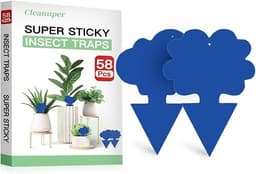
Blue adhesive traps that thrips prefer over yellow. They catch flying adults, break the breeding cycle, and act as your early-warning and progress monitor. Keep them out year-round near susceptible plants.
$6-$12 · Best for Trapping adult thrips and monitoring the infestation
Check price on Amazon →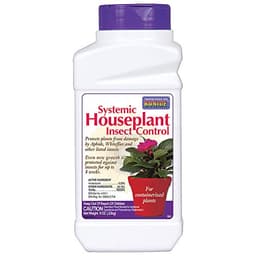
Imidacloprid or dinotefuran granules worked into the soil and taken up by the plant, reaching thrips that feed inside leaf tissue. Genuinely useful for stubborn cases — but never use on herbs or edible plants.
$8-$15 · Best for Persistent thrips on non-edible ornamental houseplants
Check price on Amazon →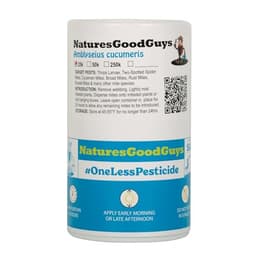
A living biological control that hunts thrips nymphs the sprays miss. The most reliable finish for a persistent infestation, especially in a larger collection. Release per label directions and stop spraying while they work.
$15-$30 · Best for Biological control of stubborn, recurring thrips
Check price on Amazon →Treatment information on PlantFix is educational. When using any pesticide — including organic options like neem oil or insecticidal soap — read and follow the entire product label; the label is the law. For persistent or high-stakes problems, your local university extension service offers free, region-specific advice. Read about how we source and verify treatment guidance in our Editorial Standards.
FAQ
Can thrips live in the soil?▼
Yes — and this is the key to why they're so hard to kill. The large majority of thrips drop off the plant to pupate in the potting soil, safe from any spray you put on the leaves. That's why treating only the foliage fails: a new wave of adults emerges from the soil days later. Effective control has to hit the soil stage too, with a neem drench, a systemic granule for ornamentals, or predatory mites.
Do thrips bite humans?▼
Thrips can occasionally nip skin, especially in warm weather when populations are high outdoors, and it feels like a tiny prickle or itch. They don't feed on blood, can't live on people, and transmit no human diseases, so the bites are harmless and stop once the plants are treated. If something is biting you indoors persistently, thrips are an unlikely culprit — look at other causes.
Can one infested plant spread thrips to my others?▼
Absolutely. Adult thrips fly, so a single infested plant will reinfest every plant near it. The moment you spot thrips, isolate that plant from the rest of your collection, and treat any others that were sitting close to it as likely exposed. Keeping the whole group quarantined until the sticky traps stay clean for two weeks is the only way to be sure you've won.
How long does it take to get rid of thrips?▼
Plan on at least four to six weeks of consistent treatment, not days. Because eggs are hidden inside leaves and pupae are buried in the soil, you have to work through a full life cycle, repeating sprays every 5 to 7 days and rotating products. Stopping when the visible adults disappear is the most common mistake — the hidden stages are still hatching. Only call it over after two weeks of clean sticky traps.
Are thrips worse in certain seasons?▼
Outdoors, thrips peak in warm weather, and they often ride indoors on plants and cut flowers in late summer and fall. Indoors under stable warm conditions they can breed year-round, so a houseplant infestation doesn't take a winter break the way outdoor populations do. Year-round blue sticky traps are the best defense against seasonal introductions.
Related
- Spider Mites: Identification, Treatment & Prevention Guide →
- Neem Oil for Plants: Complete Guide to Using It Effectively →
- Insecticidal Soap: What It Actually Kills (Including Spider Mites), DIY Recipe & Why Dawn Is Wrong →
- Whiteflies: The Shake Test, Damage Chain & 3-Week Treatment Protocol →
- Houseplant Pests: Visual ID Guide to Every Bug on Your Indoor Plants →
Not sure what's wrong?
Use the diagnosis tool →Get seasonal plant care reminders and pest alerts.