Why Are My Prayer Plant Leaves Curling? (Normal vs. Distress)
Prayer plants curl and fold up every night on purpose — that's normal. All-day tight curl with crispy edges is distress, usually dry air or tap-water minerals. Here's how to tell which.
8 min read · Updated 2026-09-18
By PlantFix Editorial Team · Sources: University Extension Programs, USDA, EPA
Is Your Prayer Plant Curling Normal or Not? (Quick Answer)
Start with the time of day. A prayer plant (Maranta leuconeura) folds its leaves up and inward every evening and lowers them flat again by morning — that's the "prayer" movement it's named for, and it's completely normal. North Carolina State University describes it plainly: the leaves are held parallel to the ground by day and move to a perpendicular 'prayer' position at night. If your leaves curl up in the evening and reopen by morning, do nothing — the plant is healthy.
Distress looks different: leaves that stay tightly curled all day, usually with crispy brown edges, don't open back up on their own. On a prayer plant that's almost always dry indoor air, hard-tap-water minerals, or thirst — not a pest. Check the soil first: dry and light means underwatering, soggy means you should stop and check the roots. Not sure which you're looking at? Our plant diagnosis tool reads a photo and narrows it down.
Normal Nightly Folding vs. Distress Curling
This is the distinction nearly every other guide skips, and it's the exact thing an anxious owner is searching for. Prayer plants belong to the Marantaceae family (the same group as Calathea), and their leaves move on a daily rhythm: open and flat during the day to catch light, folded upward at night. Watching a healthy prayer plant "close up" in the evening for the first time is alarming if you don't know it's coming — but it's a feature, not a fault.
Here's the clean tell. Normal: leaves fold in the evening, reopen by morning, and look flat and healthy through the day. Distress: leaves stay curled or rolled through the middle of the day, often with dry, crispy, browning edges, and the curl doesn't relax overnight. Once you've confirmed it's the all-day kind, the rest of this guide sorts out why.
All-Day Curling: Match Your Symptom to the Cause
Distress curling on a prayer plant has a short list of causes, and a look at the soil plus the leaf edges sorts most of them.
| What you see | Most likely cause | First move |
|---|---|---|
| Tight curl + crispy brown edges, dry heated air | Low humidity | Run a humidifier; target 50%+ |
| Curl + brown crispy tips, tap water used | Fluoride / chlorine / salt buildup | Switch to distilled or rainwater |
| Curl inward, soil bone-dry and pot light | Underwatering | Deep soak; curl relaxes in a day or so |
| Curl + drooping, soil stays wet for days | Overwatering / root rot | Stop watering; check the roots |
| Curl + pale bleached patches, harsh sun | Too much direct light | Move to bright indirect light |
| Curl + fine webbing or pale stippling | Spider mites (dry-air pest) | Flip leaves; inspect the undersides |
The top three rows are the usual culprits, and they overlap: dry winter air, hard tap water, and inconsistent watering all pull moisture out of those thin leaves faster than the roots resupply it, and the leaf rolls to protect itself. NC State is blunt that prayer plants are also intolerant of direct sunlight or low humidity and that the leaves "will burn with high fluorides," which is why the fix below leans hard on air and water quality.
The Fix: Humidity and Water Quality First
Because a curling prayer plant is usually losing water it can't replace, the fix is about the air and the water, not just watering more.
Raise the humidity. NC State recommends keeping a prayer plant in a humidified room or on a tray of wet pebbles. In practice a small room humidifier does far more than misting, which raises humidity for a few minutes and then fades — and wet leaves overnight can invite spots. Aim for humidity in the 50%-plus range, especially in winter when the heat is running and indoor air drops fast.
Switch off hard tap water. Marantaceae plants concentrate minerals at the leaf margins, and the University of Missouri's guidance on leaf tipburn is that fertilizer salts and fluoride build up in the root zone and the leaf, so sensitive plants develop tipburn even when properly watered and fertilized. Their fix is exactly ours: water with rainwater or distilled water instead of fluoridated tap water, and leach the pot with plain water when you see a whitish salt crust on the soil. This is the same water-quality mechanism behind brown tips on other sensitive houseplants — see our spider plant brown tips and peace lily brown tips guides.
Keep watering even. NC State says to keep the soil evenly moist through the growing season and let it dry out somewhat in winter, always in well-draining soil. Don't let it swing from bone-dry to soaked.
When to Stop and Check: Rot, Pests, and Sun
If humidity and water quality aren't the answer, work through these:
- Root rot (the wet-soil exception). If the leaves are curling and drooping and the soil hasn't dried in days, suspect rot from overwatering. NC State notes root rot occurs in poorly drained soil, and the University of Maryland Extension points out a rotting root system makes a plant wilt even when the soil is wet — so trust the soil check over the droop. Stop watering, check the base and roots, and if they're soft and brown, work through our root rot rescue guide; the treatment plan sequences the recovery.
- Spider mites. The same dry indoor air that curls the leaves also brings out spider mites, which NC State lists among the plant's occasional pests. Fine webbing or pale stippling on the undersides points to them — see our spider mites guide.
- Too much direct sun. Prayer plants want bright indirect light; NC State warns too much sun bleaches out the leaf colors. Curl plus pale, washed-out patches means pull it back from the window.
Will Curled Prayer Plant Leaves Uncurl?
If the curl came from thirst or a short humidity dip, yes — the leaves usually relax within a day or so once you water deeply and steady the air, because you've restored the internal pressure that holds them flat. Curl and crisping from tap-water mineral burn, sustained low humidity, root rot, or pests won't fully reverse on that leaf; the browned edges are dead tissue. The plant recovers by pushing out fresh, flat leaves once you fix the underlying cause.
Don't strip every curled leaf off at once — a leaf that's still mostly green is feeding the plant. Trim only leaves that are mostly brown and crispy, and cut along the leaf's natural shape rather than straight across. Judge your fix by the next new leaf, not the damaged one. For the cross-plant view of what curl direction means on any houseplant, see our plant leaves curling guide, and for the humidifiers, moisture meters, and pebble trays we recommend, our plant care gear page.
Recommended Products
We earn a commission if you buy through these links, at no extra cost to you. We recommend based on what works, not what pays. How this works.

The single most effective fix for all-day curling and crispy edges on a prayer plant in dry, heated winter air. Holds humidity in the 50%-plus range these Marantaceae plants need — far more reliable than misting, which fades within minutes.
$25-$45 · Best for Curl and crispy edges from low indoor humidity
Check price on Amazon →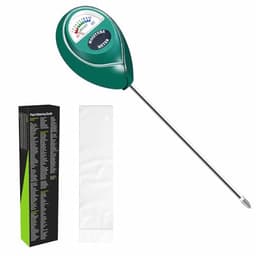
Reads moisture at the root zone so you can tell a thirsty prayer plant (dry) from the less-common wet-soil root rot — the two opposite causes of curling. Water when the top inch or two reads dry, not on a fixed schedule.
$10-$18 · Best for Telling thirst from root rot on a curling prayer plant
Check price on Amazon →Treatment information on PlantFix is educational. When using any pesticide — including organic options like neem oil or insecticidal soap — read and follow the entire product label; the label is the law. For persistent or high-stakes problems, your local university extension service offers free, region-specific advice. Read about how we source and verify treatment guidance in our Editorial Standards.
FAQ
Is it normal for prayer plant leaves to curl up at night?▼
Yes — that's the nyctinasty, or "prayer" movement the plant is named for, and it's a sign of a healthy plant. North Carolina State University notes the leaves are held flat and parallel to the ground by day and fold to a perpendicular "prayer" position at night. If your leaves fold up in the evening and reopen by morning, do nothing. Only worry about curling that stays tight through the middle of the day.
Does tap water hurt prayer plants?▼
It can. Prayer plants and their Marantaceae relatives are sensitive to the fluoride, chlorine, and mineral salts in hard tap water, which build up in the leaf and burn the tips and edges over time. NC State states prayer plant leaves "will burn with high fluorides," and the University of Missouri recommends distilled water or rainwater for fluoride-sensitive plants. Switching your water and flushing the pot occasionally with plain water usually stops new tip burn.
Will curled prayer plant leaves recover?▼
If the curl was from thirst or a brief humidity drop, the leaves usually relax within a day or two of a deep watering and better air. Curl or crisping from tap-water mineral burn, chronic dry air, root rot, or pests won't reverse on that specific leaf — the browned tissue is dead — but the plant grows out of it, pushing normal flat leaves once you correct the cause. Trim only the badly browned leaves and judge your fix by new growth.
Related
- Plant Leaves Curling? 7 Causes and the Fix for Each →
- Yellow Leaves on Plants: Every Cause & How to Fix It →
- Spider Plant Brown Tips: The Tap-Water Cause and the Fix →
- Peace Lily Brown Tips: The Water-Quality Cause Everyone Misses →
- How to Fix an Overwatered Plant (Root Rot Rescue) →
- Spider Mites: Identification, Treatment & Prevention Guide →
Not sure what's wrong?
Use the diagnosis tool →Get seasonal plant care reminders and pest alerts.