Bird of Paradise Leaves Curling: Causes and the Fix
Curling bird of paradise leaves usually mean thirst, low humidity, or heat stress — not pests. Here's the curl-context test, the fix, and why a new spear leaf comes in rolled.
8 min read · Updated 2026-09-16
By PlantFix Editorial Team · Sources: University Extension Programs, USDA, EPA
Why Your Bird of Paradise Is Curling (Quick Answer)
Curling leaves on a bird of paradise (Strelitzia) almost always mean the plant is losing water faster than it can take it up — usually underwatering, dry indoor air, or heat stress. Those big paddle leaves hold very little water in reserve, so they roll inward along the midrib to shrink the surface exposed to the air the moment moisture runs short. It's a defensive move, not a disease, and it's usually the opposite of what curling means on many other houseplants.
Run one quick test: water the plant thoroughly and watch it for a day. If the leaves were curling from thirst, they relax and flatten back out — often within a day. If they stay rolled through the day even after a good soak, look at humidity, heat, cold drafts, or (less often) the roots. And if what you're calling "curling" is a single tight spear at the center, that's a new leaf, not a problem — more on that below. Want a second opinion from a photo? Our plant diagnosis tool narrows it down.
The Curl-Context Test: What's Happening Around the Plant
Bird of paradise curling is best read by context — what the soil, air, and light are doing — rather than by curl shape alone. Match your situation to the row below.
| Context | Most likely cause | First move |
|---|---|---|
| Soil dry, pot light, curl relaxes after watering | Underwatering | Deep soak; leaves flatten within a day |
| Dry heated air, curl + crispy brown edges | Low humidity | Run a humidifier; move off the vent |
| Hot direct sun, curl + pale bleached patches | Heat / light stress | Filter the light; pull back from glass |
| Near a cold window or A/C, sudden curl | Cold draft | Move somewhere stably warm |
| Curl + drooping, soil stays wet | Root rot (less common) | Stop watering; check the roots |
| New central spear rolled tight | Normal new leaf | Nothing — help it only if it stalls |
The mechanism ties the top rows together: when the plant loses water faster than the roots replace it, leaf cells lose turgor and the paddle rolls to conserve moisture. That's why a genuinely thirsty Strelitzia can re-flatten within a day of watering — you've restored the pressure, not grown a new leaf.
The Fix: Water Deeply, Then Manage the Air
Watering comes first because thirst is the most common trigger. North Carolina State University's care notes say to water freely during the growing season and keep it drier in winter, always in well-draining soil. In practice: soak until water runs from the drainage hole, let it drain, and empty the saucer; then water again when the top inch or two of soil has dried. If water runs straight through hydrophobic soil, bottom-water for 20 to 30 minutes so the mix rewets evenly. A thirsty bird of paradise usually relaxes its curl within a day.
Then manage the air. Bird of paradise curls and crisps at the edges when indoor humidity drops in winter with the heat running — a small room humidifier does far more than misting, which fades in minutes. Keep the plant clear of heat vents and radiators, which cook the nearest leaves, and out of harsh direct afternoon sun, which drives both scorch and fast water loss. It wants bright light and even moisture, not a baking windowsill with dry roots.
Why a New Leaf Comes In Rolled — and How to Help It Unfurl
A fresh bird of paradise leaf always arrives as a tight, rolled spear at the center of the plant and unfurls over several days into the flat paddle. So a single rolled spear is new growth, not distress — don't panic and don't cut it. Worry only when a mature, fully-opened blade rolls back up and stays curled through the day.
The common frustration is a new leaf that starts to open, then stalls half-furled or splits before it finishes. That's almost always low humidity: the emerging leaf dries out faster than it can expand. Raise the humidity around the plant while that leaf opens — a humidifier nearby, or grouping it with other plants — and keep the soil evenly moist. You can very gently ease a stuck leaf's edges apart with clean, slightly damp hands if it's clearly cemented shut, but go slow; forcing it tears the leaf. (For the record, mature bird of paradise leaves naturally develop splits along the veins as they age — that's a wind adaptation, not damage.)
Cold, Root Rot, and the Occasional Pest
If watering and humidity aren't the answer, work through these:
- Cold drafts. Strelitzia is frost-tender — NC State rates it for warm zones only and lists moderate night temperatures around 55–65°F. A blast from a cold window, an exterior door, or an A/C vent can curl and distort leaves within days. Keep it in a stable, warm spot.
- Root rot (less common, but check if the soil stays wet). If the leaves are curling and drooping and the soil hasn't dried in days, the roots may be rotting from overwatering, and — as the University of Maryland Extension notes — a plant with rotting roots can wilt even in wet soil. Check the base and roots; if they're soft and brown, work through our root rot rescue guide and cut back on water.
- Pests. NC State notes bird of paradise is usually pest-free but worth watching for spider mites, mealybugs, and scale, especially in dry indoor air. Mites in particular cause stippling that can accompany curl, so flip a few leaves and check the undersides.
Will Curled Bird of Paradise Leaves Uncurl?
If the curl came from thirst or a short humidity dip, yes — the leaves usually relax and flatten within a day or two of a proper soak and better air, because you've restored the internal pressure that holds the paddle open. Curl from heat scorch, cold damage, root rot, or pests is harder to reverse on that specific leaf; the plant recovers by pushing out normal new spears once you've fixed the cause.
There's no need to cut a leaf that's simply curled but still green — it's still feeding the plant. Trim only leaves that are mostly brown, crispy, or clearly dead. Judge your fix by the next leaf that unfurls, not the damaged one. Bird of paradise is a thirsty, light-hungry plant, so most curling traces back to getting water, humidity, and light steady — nail those three and it rarely comes back. For the cross-plant view of what curl means on any houseplant, see our plant leaves curling guide, and for the humidifiers and moisture meters we recommend, our plant care gear page.
Recommended Products
We earn a commission if you buy through these links, at no extra cost to you. We recommend based on what works, not what pays. How this works.

The most effective fix for edge-curling and stalled new spears on bird of paradise in dry, heated winter air. Holds ambient humidity steady far better than misting, which fades within minutes.
$25-$45 · Best for Curling and stuck new leaves from dry indoor air
Check price on Amazon →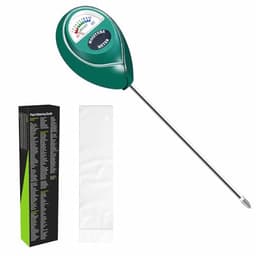
Reads moisture at the root zone so you can tell a thirsty bird of paradise (dry) from the less-common root-rot curl (wet) without guessing. Water when it reads dry in the top half of the pot.
$10-$18 · Best for Confirming thirst vs wet-soil rot on a curling Strelitzia
Check price on Amazon →Treatment information on PlantFix is educational. When using any pesticide — including organic options like neem oil or insecticidal soap — read and follow the entire product label; the label is the law. For persistent or high-stakes problems, your local university extension service offers free, region-specific advice. Read about how we source and verify treatment guidance in our Editorial Standards.
FAQ
Will curled bird of paradise leaves uncurl?▼
If the cause is thirst or low humidity, yes — the leaves usually relax and flatten within a day or two after a thorough watering and better air, since you've restored the pressure that keeps the paddle open. Curl from heat scorch, cold damage, root rot, or pests generally won't reverse on that leaf, but the plant recovers by pushing out normal new spears once you correct the cause. Don't cut a leaf that's still green.
Is my bird of paradise curling from too much or too little water?▼
Almost always too little — or air that's too dry. Bird of paradise leaves hold little water in reserve and roll inward to conserve moisture when they lose it faster than the roots resupply, so curling on dry soil means thirst. The less common exception is root rot: if the leaves are curling and drooping while the soil stays wet for days, stop watering and check the roots for soft brown tissue instead.
Why won't my new bird of paradise leaf open?▼
A new bird of paradise leaf normally emerges as a tight rolled spear and takes several days to unfurl, so a single spear at the center is healthy new growth, not a problem. If it stalls half-open or splits early, the air is usually too dry — the leaf dries out before it can expand. Raise the humidity around the plant and keep the soil evenly moist while it opens, and only ease a clearly stuck leaf apart very gently.
Related
- Plant Leaves Curling? 7 Causes and the Fix for Each →
- Yellow Leaves on Plants: Every Cause & How to Fix It →
- How to Fix an Overwatered Plant (Root Rot Rescue) →
- Spider Mites: Identification, Treatment & Prevention Guide →
- Thrips on Houseplants: How to Identify and Finally Get Rid of Them →
- Why Are My Monstera Leaves Curling? (And How to Fix It) →
Not sure what's wrong?
Use the diagnosis tool →Get seasonal plant care reminders and pest alerts.