White Spots on Plant Leaves: 6 Causes and How to Fix Each
White spots on your plant leaves? Powdery coating wipes off (mildew), cottony tufts don't (mealybugs), crusty specks won't budge (hard water). Here's how to tell.
9 min read · Updated 2026-08-26
By PlantFix Editorial Team · Sources: University Extension Programs, USDA, EPA
What the White Spots on Your Plant Leaves Are (Quick Answer)
White spots on plant leaves are almost always one of six things, and the fastest way to tell them apart is to touch one. A powdery or dusty coating that wipes off with your finger is powdery mildew, a fungus. Raised cottony or waxy tufts that don't wipe cleanly and sit in the leaf joints are mealybugs, an insect. Hard, gritty crusty specks that won't budge are mineral deposits from hard water or fertilizer salts — harmless. Bleached, dry pale patches only on the sunny side are sunburn. Tiny white or yellow stippling dots, often with fine webbing, are spider mite damage. And fluffy white growth on the soil (not the leaves) is a harmless saprophytic mold.
The wipe test does most of the diagnostic work: mildew smears and lifts, mealybug wax feels tacky and cottony, mineral crust feels like sandpaper and stays put. Once you know which one you've got, the fixes below are quick — and if you're still not sure, our plant diagnosis tool identifies it from a photo. For white spots that turn out to be full-on powdery mildew across a garden or crop, our dedicated powdery mildew treatment guide goes deeper.
White Spot Diagnostic Chart
Find the row that matches what you're seeing, then jump to that section. The single most useful move is to rub a spot between your fingers and note what happens.
| What it looks & feels like | What it is | First move |
|---|---|---|
| Powdery/dusty coating, wipes off, spreads across the leaf | Powdery mildew (fungus) | Isolate; improve airflow; treat |
| Cottony/waxy tufts in leaf joints, sticky, don't wipe clean | Mealybugs (pest) | Dab with alcohol; isolate |
| Hard, gritty crust; won't budge; near edges or soil line | Mineral / salt deposits | Wipe with dilute vinegar; switch water |
| Bleached, dry, pale patches only on the sun-facing side | Sunburn | Move out of direct sun |
| Tiny white/yellow dots (stippling) + fine webbing | Spider mite damage | Rinse; treat undersides |
| Fluffy white fuzz on the soil surface, not the leaves | Saprophytic soil mold | Scrape off; water less |
Cause #1: Powdery Mildew (Most Common on Leaves)
This is the classic white-spot culprit. Powdery mildew shows up as white-to-gray powdery spots, blotches, or felt-like mats on the upper leaf surface, and it spreads outward until it can coat a whole leaf. University of Minnesota Extension describes it exactly that way — powdery white spots and patches that expand across leaves, stems, and buds. The giveaway is the wipe test: mildew smears and partly lifts onto your finger, because it's a fungal growth sitting on the surface, not embedded in the leaf.
Unlike most fungi, powdery mildew doesn't need wet leaves — it thrives in warm days, cool nights, high humidity around the plant, crowded foliage, and poor air circulation. That's why it hits jammed-together houseplants and shady, still corners of the garden hardest.
To treat it: isolate the plant so spores don't drift to neighbors, remove the worst-affected leaves, and improve airflow (space plants out, run a small fan indoors). For active infections, a neem oil spray or a potassium-bicarbonate fungicide both work well; plain baking soda is weaker and can burn foliage, so reach for potassium bicarbonate if you want a bicarbonate spray. Our powdery mildew guide ranks every treatment and busts the baking-soda myth in detail. Prevention is mostly airflow, brighter light, and not crowding plants.
Cause #2: Mealybugs (White Cottony Tufts)
If the "spots" are actually raised, fuzzy white tufts — like little bits of cotton wedged into leaf joints, along stems, and on leaf undersides — those are mealybugs, not a disease. They're soft-bodied insects that coat themselves in a white, waxy, cottony filament, and they feel slightly tacky rather than powdery. A dead giveaway is a sticky, shiny residue (honeydew) on the leaves below them, sometimes with black sooty mold growing on it.
Mealybugs don't wipe away like mildew and they don't scrape off like mineral crust — they cling, and they move (slowly). For a light infestation, dab each cluster with a cotton swab dipped in 70% rubbing alcohol, which dissolves the wax and kills them on contact; our rubbing alcohol for mealybugs guide covers the exact protocol and plant-safety cautions. For anything widespread, follow up with neem oil or insecticidal soap weekly for three to four weeks to catch the eggs as they hatch, and isolate the plant — mealybugs spread fast to neighbors. See the full mealybugs treatment guide for severe cases.
Cause #3: Mineral & Salt Deposits (Harmless, Won't Wipe Off)
Hard, crusty white specks that feel gritty and refuse to wipe or rub off are almost always mineral deposits — not a living thing at all. They come from two sources: hard tap water leaving behind calcium and magnesium as it evaporates off the leaves, and fertilizer salts building up in the soil and wicking to the surface. The tell-tale pattern is deposits that cluster near leaf edges, along veins, or at the soil line, and that don't spread to new growth the way a fungus or pest would.
This one's cosmetic. Wipe the leaves gently with a cloth dipped in a 1:4 white-vinegar-to-water solution to dissolve the crust, then rinse. To stop it coming back, water with filtered, distilled, or rainwater if your tap is hard, flush the soil thoroughly every couple of months to leach out fertilizer salts, and go easy on feeding — over-fertilizing is a bigger salt source than most people realize.
Causes #4 and #5: Sunburn and Spider Mite Damage
Sunburn shows up as bleached, pale, dry patches on the parts of leaves that face a bright window or that got moved abruptly into direct sun. Unlike mildew it doesn't wipe off, and unlike mealybugs it isn't raised — the tissue is simply scorched. It appears within days of a move to a brighter spot and only on the exposed side. Damaged leaves won't recover their color, but the fix is easy: move the plant out of direct sun (or add a sheer curtain) and acclimate it to brighter light gradually, an hour or so more per day over a couple of weeks.
Spider mite damage reads as tiny white or pale-yellow dots — a fine stippling — spread evenly across the leaf, often with delicate webbing on the undersides and where leaves meet stems. Look closely (a magnifier helps) for the mites themselves, which are dust-sized and often reddish. Rinse the plant thoroughly in the shower to knock populations down, then treat leaf undersides with neem oil or insecticidal soap weekly. Our spider mites guide has the full lifecycle-based protocol — the webbing test and treatment timing matter.
Cause #6: White Mold on the Soil (Usually Harmless)
If the white stuff is fluffy or fuzzy and it's growing on the soil surface rather than the leaves, it's almost always a saprophytic mold — a harmless fungus feeding on decaying organic matter in the potting mix. It looks alarming but it doesn't attack living plant tissue, and it's really just a symptom that the soil is staying too wet with too little air movement.
Scrape it off, let the top inch or two of soil dry out fully before watering again, and improve airflow around the pot. A thin top layer of coarse sand or perlite discourages it from coming back, and cutting back on how often you water solves the root cause. If chronically wet soil has also brought fungus gnats, that's your confirmation you're watering too much — fix both at once by letting the soil dry between waterings.
Preventing White Spots Before They Start
Most white-spot problems trace back to just a few habits, and fixing them heads off mildew, mold, and pests all at once.
- Give plants room and airflow. Crowded, still air is what powdery mildew and soil mold need. Space plants out and run a gentle fan in stuffy rooms.
- Water at the soil, not the leaves, and let the surface dry between waterings. Wet foliage and constantly damp soil invite fungus.
- Quarantine new plants for two weeks. Mealybugs and spider mites almost always hitchhike in on a new plant — check it over (a photo through our diagnosis tool helps) before it joins the collection.
- Use filtered water and feed lightly if you keep finding gritty mineral crust.
- Inspect leaf undersides weekly. Catching mealybugs or mites early — before they spread — is the whole game.
For the sprays and tools that handle each of these, our plant care gear page lists what we actually recommend. And when white spots come alongside yellowing or browning, cross-check our yellow leaves guide to make sure you're not chasing the wrong culprit.
Recommended Products
We earn a commission if you buy through these links, at no extra cost to you. We recommend based on what works, not what pays. How this works.
A dual-purpose treatment that handles both fungal white spots (powdery mildew) and the pests that cause them (mealybugs, spider mites). Mix with a little castile soap and water and spray leaf surfaces and undersides in the evening.
$10-$18 · Best for One product that covers mildew, mealybugs, and mites
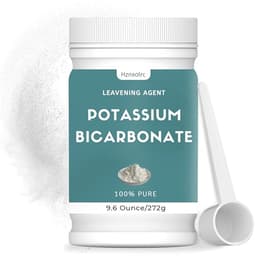
A safer, more effective bicarbonate spray than kitchen baking soda for powdery mildew — it kills existing colonies on contact without the leaf-burn risk of sodium bicarbonate. Good for both houseplants and the garden.
$15-$25 · Best for Knocking down an active powdery mildew infection
Check price on Amazon →The go-to spot treatment for mealybugs — a cotton swab dipped in 70% rubbing alcohol dissolves their waxy coating and kills them on contact. Keep a bottle on hand for quick strikes before an infestation spreads.
$4-$8 · Best for Spot-killing mealybug clusters on contact
Treatment information on PlantFix is educational. When using any pesticide — including organic options like neem oil or insecticidal soap — read and follow the entire product label; the label is the law. For persistent or high-stakes problems, your local university extension service offers free, region-specific advice. Read about how we source and verify treatment guidance in our Editorial Standards.
FAQ
How do I know if white spots are powdery mildew or mealybugs?▼
Touch one. Powdery mildew is a flat, dusty coating that smears and wipes off onto your finger, and it spreads across the leaf surface. Mealybugs are raised, cottony white tufts wedged into leaf joints that feel tacky, cling instead of wiping away, and often leave a sticky residue below them. Mildew is a fungus you treat with a fungicide; mealybugs are insects you treat with rubbing alcohol or neem oil.
Are white spots on plant leaves contagious to other plants?▼
It depends on the cause. Powdery mildew spores and mealybugs both spread readily to nearby plants, so isolate an affected plant right away. Mineral deposits, sunburn, and soil mold are not contagious — they're environmental and stay put. When in doubt, separate the plant until you've identified which one you're dealing with.
Can I eat herbs or vegetables with white spots on the leaves?▼
If the white coating is powdery mildew, it's not toxic, but heavily infected leaves taste bitter and the plant is stressed — wash affected leaves well and remove the worst ones, or skip them. Mineral deposits wash off and are harmless. Never eat leaves you've just treated with a fungicide or pesticide until the product's label re-entry and pre-harvest interval have passed.
Should I remove leaves with white spots?▼
For powdery mildew, yes — pluck the worst-affected leaves to reduce spores, but don't strip the plant bare. For mealybugs and spider mites, remove badly infested leaves and treat the rest. For mineral deposits and sunburn there's no need to remove anything; just wipe the crust off or move the plant out of direct sun.
Is white fuzzy mold on the soil harmful to my plant?▼
No. Fluffy white mold on the soil surface is a saprophytic fungus that feeds on decaying organic matter, not on living roots or leaves. It's a sign the soil is staying too wet with poor airflow. Scrape it off, let the soil dry out between waterings, and improve air circulation and it won't come back.
Related
- Powdery Mildew Treatment: What Works, Skip the Baking Soda →
- Mealy Bugs on Plants: How to Identify & Kill Them Fast →
- Kill Mealybugs With Rubbing Alcohol (on Contact, No Burn) →
- Spider Mites: Identification, Treatment & Prevention Guide →
- Neem Oil for Plants: Complete Guide to Using It Effectively →
- Houseplant Pests: Visual ID Guide to Every Bug on Your Indoor Plants →
- Yellow Leaves on Plants: Every Cause & How to Fix It →
Not sure what's wrong?
Use the diagnosis tool →Get seasonal plant care reminders and pest alerts.