Orchid Leaves Curling or Wrinkled: Causes & Fixes
Curling and wrinkling on orchid leaves is a water-transport symptom with two opposite causes — dead roots or dry roots. How to tell which, plus the humidity truth.
9 min read · Updated 2026-08-05
By PlantFix Editorial Team · Sources: University Extension Programs, USDA, EPA
Why Orchid Leaves Curl and Wrinkle (Quick Answer)
Curling, wrinkling, and limp leaves on an orchid almost always mean one thing: the plant isn't moving enough water up to its leaves. The confusing part is that this has two opposite causes — roots that died from overwatering, and roots that dried out from underwatering or low humidity. You cannot tell them apart from the leaves, so you diagnose from the roots.
Look through the clear pot. Brown, black, mushy roots mean overwatering and root rot — repot into fresh bark. Shriveled, silvery, bone-dry roots mean thirst — soak the pot for 15 minutes and water more often. Firm green-and-silver roots with wrinkled leaves point to low humidity around the plant instead.
One pattern is different and harmless: brand-new leaves that come in pleated or accordion-folded were formed in air that was too dry, per the American Orchid Society's leaf-problem guidance. They won't un-pleat, but they don't hurt the plant, and once you raise humidity the next leaves grow in smooth. Everything below sorts your exact pattern to its fix.
Pleated, Accordion-Folded New Leaves
If the crinkling is confined to the newest, still-emerging leaves — a regular fan-fold or accordion pattern rather than a soft wrinkle — the cause is low humidity during leaf formation. As a new orchid leaf expands, its cells need steady water pressure to inflate smoothly. When the surrounding air is too dry (or the roots can't keep up while the leaf is growing), the expanding tissue can't fill out evenly and locks in a pleated shape as it hardens.
Here's the part people get wrong: those pleats are permanent. A leaf that hardened folded will stay folded for its whole life — no amount of misting, watering, or humidity will iron it out. That's not a failure to fix; the leaf still photosynthesizes perfectly well. What you're actually protecting is the next leaf. Raise the humidity and keep the roots functioning, and the following leaf emerges smooth.
This is also why chasing a single pleated leaf with extra water backfires. If the roots are healthy and only new growth is pleating, the lever is ambient humidity, not the watering can. Over-watering to "help" a pleated leaf is a classic route to the far worse problem — root rot — covered next.
Limp, Leathery, Wrinkled Mature Leaves: Check the Roots
When it's the older, established leaves going soft, leathery, and wrinkled — losing the stiffness they used to have and sometimes drooping over the pot rim — the plant has a water-transport failure, and the answer is at the roots.
The two causes look identical above the pot and opposite below it:
- Overwatering / rot: roots brown, black, soft, mushy, hollow, or foul-smelling; the plant may wobble loosely in its pot because dead roots no longer anchor it; the center of the bark stays wet for a week or more. This is root rot, and watering more — the instinctive response to "thirsty-looking" leaves — accelerates it. Rescue-repot into fresh bark.
- Underwatering / dehydration: roots shriveled, wrinkled, silvery-gray but still firm and intact; bark bone-dry throughout; no smell. Soak the pot 10–15 minutes, drain fully, and water more often going forward.
Slide the plant out if the pot isn't clear — moth orchids tolerate it fine. The distinction matters enormously because the fixes are mirror images: rot needs less water and fresh media, thirst needs more water. Get it backwards and you'll finish off the plant. The overlap with yellowing is the same story from a different angle, walked through in our orchid yellow leaves guide.
Which Way Are They Curling? Downward Curl vs. Twist
The direction of the curl is a useful secondary clue once you've ruled out root problems.
Leaves curling downward and inward, cupping under, on a plant with healthy roots, is usually a stress-and-humidity response — the leaf reducing its exposed surface to conserve moisture. It travels with the low-humidity story above and resolves as conditions improve, though established leaves keep their set once they've taken it.
Leaves twisting or leaning toward a light source is phototropism — the plant reaching for the window. It's cosmetic and completely healthy. Give the pot a quarter turn every week or two and new growth stays symmetrical.
Leaves curling with crisping brown edges point at heat or light stress: a spot above a radiator or heat vent, or direct midday sun through glass. Move the plant to bright indirect light and off any heat source.
Sudden tight curling with stippling, silvery streaks, or distorted new growth is the one pest pattern worth checking — thrips and spider mites both feed on orchids and can deform expanding leaves. Look closely (a hand lens helps) for tiny moving specks, fine webbing, or silvery scarring on the undersides. If you find them, treat with insecticidal soap before worrying about humidity.
The Humidity Truth (and What Actually Works)
Orchids are happiest around 40–60% relative humidity, and moth orchids tolerate the lower end of that fine. Trouble starts when indoor air — especially in winter with the heat running — drops below about 40% for weeks, which is exactly when curling and pleating spike.
Stop guessing and buy a $10 hygrometer. Most people are shocked how dry their winter rooms actually run, and you can't manage humidity you aren't measuring. Once you know your number, here's the honest ranking of fixes:
- A small room humidifier is the only reliable way to move a whole room's humidity, and it's the fix worth spending on if your air is genuinely dry.
- Grouping plants together creates a modestly more humid microclimate as they transpire — real, free, and worth doing.
- A bright bathroom or a spot near the kitchen sink runs naturally more humid than a living room, and orchids do well there.
- Pebble trays — a tray of water and stones under the pot — have a marginal, very local effect at best. They're not useless, but don't expect one to rescue a plant in 25% air.
- Misting raises humidity for minutes, not hours, and water left sitting in the crown overnight invites crown rot. It's the most overrated orchid tip there is.
Raise the ambient humidity into the 40–60% band and keep the roots healthy, and new leaves come in smooth and stay turgid. The leaves that already wrinkled won't reverse — but you'll stop making new ones.
Recommended Products
We earn a commission if you buy through these links, at no extra cost to you. We recommend based on what works, not what pays. How this works.

A $10 humidity gauge ends the guesswork behind curling and pleated leaves. Most indoor air runs far drier than people assume, especially in winter — you can't fix a humidity problem you aren't measuring. Sit one next to the orchid and read it for a week before changing anything.
$8-$15 · Best for Confirming whether low humidity is behind curling leaves
Check price on Amazon →
The only reliable way to lift a whole room into the 40–60% band orchids want. Worth the spend if your hygrometer shows genuinely dry air. Beats pebble trays and misting, which barely move the number and — in misting's case — can invite crown rot.
$25-$50 · Best for Raising ambient humidity for orchids in dry indoor air
Check price on Amazon →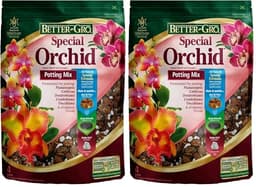
When curling traces to rotted or broken-down media, fresh chunky bark is the fix — it restores the drench-and-dry cycle orchid roots need. Strip all old bark during the repot. Medium grade fits most moth orchids; never substitute potting soil.
$8-$15 · Best for Repotting when wrinkled leaves trace to root or media failure
Check price on Amazon →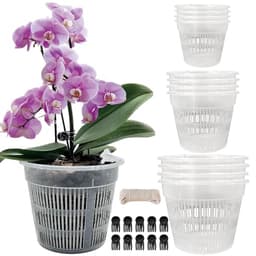
Clear pots let you read root color instantly — the whole diagnosis for curling leaves lives at the roots, and you can't judge them through opaque plastic. The side slots also add airflow that keeps bark drying on schedule.
$8-$14 · Best for Diagnosing root health behind wrinkled or limp leaves
Check price on Amazon →Treatment information on PlantFix is educational. When using any pesticide — including organic options like neem oil or insecticidal soap — read and follow the entire product label; the label is the law. For persistent or high-stakes problems, your local university extension service offers free, region-specific advice. Read about how we source and verify treatment guidance in our Editorial Standards.
FAQ
Will curled or wrinkled orchid leaves ever uncurl?▼
No — once a leaf has wrinkled, pleated, or set into a curl, that tissue is permanent and won't smooth back out even after you fix the cause. Wrinkled leaves have lost turgor pressure their cells can't fully regain. The realistic goal is to correct the underlying problem (usually root health or humidity) so that new leaves emerge normal and the existing leaves stay attached and functional. A wrinkled leaf still photosynthesizes, so leave it on the plant.
Why are only my orchid's new leaves pleated?▼
Pleated or accordion-folded new leaves form when humidity is too low (or roots can't keep up) while that specific leaf is expanding — the tissue can't inflate smoothly and hardens folded. It's a snapshot of conditions during that leaf's growth, not an ongoing disease. Raise ambient humidity into the 40–60% range and make sure the roots are healthy, and the next leaf grows in flat.
What humidity do orchids need?▼
Moth orchids do well at roughly 40–60% relative humidity and tolerate the lower end. Persistent curling and pleating usually show up when indoor air drops below about 40% for extended periods — common in winter with central heating. Measure it with an inexpensive hygrometer; you can't manage humidity you aren't tracking. A small room humidifier is the most reliable way to raise it.
Do pebble trays and misting actually help orchid humidity?▼
Only marginally. A pebble tray raises humidity in a small zone right around the pot and won't meaningfully change a dry room. Misting bumps humidity for a few minutes at most, and water pooling in the crown overnight can cause crown rot — so it does more harm than good. A room humidifier, grouping plants, or moving the orchid to a naturally humid bathroom are the fixes that actually move the number.
Can pests cause orchid leaves to curl?▼
Yes, though it's less common than root or humidity causes. Thrips and spider mites feed on orchids and can distort expanding leaves, usually alongside telltale signs: fine stippling, silvery streaks or scarring, or faint webbing on leaf undersides. If curling comes with those signs — especially on new growth — treat the pests with insecticidal soap first, then address humidity.
Related
- Orchid Root Rot: How to Identify, Treat & Repot a Rotting Orchid →
- Orchid Yellow Leaves: What Each Pattern Means & How to Fix It →
- How to Revive a Dying Orchid: The 60-Second Triage →
- Orchid Leaves Falling Off: When It's Normal & When to Act →
- Spider Mites: Identification, Treatment & Prevention Guide →
- Insecticidal Soap: What It Actually Kills (Including Spider Mites), DIY Recipe & Why Dawn Is Wrong →
Not sure what's wrong?
Use the diagnosis tool →Get seasonal plant care reminders and pest alerts.