Tomato Blight: How to Identify, Treat, and Stop Early & Late Blight
Early blight and late blight are different diseases with different clocks. Here's the flowchart to tell them apart, the save-or-pull call by how much foliage is gone, and the varieties that shrug both off.
11 min read · Updated 2026-08-12
By PlantFix Editorial Team · Sources: University Extension Programs, USDA, EPA
How to Identify and Treat Tomato Blight (Quick Answer)
Tomato blight is a fungal disease, and it comes in two forms that you have to tell apart because one is far more urgent than the other. Early blight (Alternaria) starts on the lowest, oldest leaves as brown spots with concentric rings — a bullseye or target pattern — then works upward slowly over weeks. Late blight (Phytophthora infestans, the Irish Potato Famine organism) hits upper leaves and stems with greasy gray-green water-soaked patches and white fuzzy growth on the undersides, and it moves fast.
The treatment for both is the same first three moves: remove and bag every affected leaf (never compost), stop overhead watering, and start a copper fungicide spray every 7 to 14 days. The difference is the clock. Early blight you can manage all season. Late blight, in cool wet weather, can destroy an entire tomato patch in 7 to 10 days — the University of Connecticut warns it causes complete crop loss that quickly (UConn IPM). If you have late blight and rain is coming, act today.
Early Blight vs. Late Blight: The Key Differences
Confusing these two is the most common — and most costly — tomato-diagnosis mistake, so here's the side-by-side.
Early blight (Alternaria solani / A. tomatophila)
• Where it starts: lowest, oldest leaves first, working up.
• The spots: dark brown, with distinctive concentric rings inside them — the "target" or bullseye look. A yellow halo often surrounds each spot.
• Speed: slow. It spreads over weeks, and plants usually keep producing even while lower leaves drop.
• On the fruit: dark, leathery, sunken spots near the stem end.
• Weather: warm (75-85°F) and humid; worst on stressed, older plants mid-to-late season.
Late blight (Phytophthora infestans)
• Where it starts: upper leaves and stems, anywhere on the plant.
• The spots: large, irregular, gray-green and water-soaked, like a greasy frost burn — turning brown-black. In humid mornings a white fuzzy mold rings the lesions on the leaf underside.
• Speed: explosive. Cool, wet conditions can take a healthy plant to dead in under two weeks.
• On the fruit: large, firm, greasy brown blotches — often on green fruit.
• Weather: cool and wet is the trigger — nights in the 50s-60s, days in the 70s-80s, with rain, fog, or heavy dew. That's the opposite of what early blight likes.
The fastest field tell: if the bottom leaves have neat bullseye spots and the plant is otherwise fine, it's early blight and you have time. If the top of the plant has spreading greasy patches with any white fuzz after a cool wet spell, treat it as late blight and move fast.
Is It Actually Blight? (Confused-Diseases Flowchart)
Half of "my tomato has blight" turns out to be something else with a different fix. Work through what you're seeing:
Small dark spots with tan/gray centers and tiny black dots, on lower leaves → that's septoria leaf spot, not blight. Same copper treatment, but the spots are smaller and more numerous with pale centers, and it doesn't ring like early blight.
A dark, sunken, leathery patch on the blossom (bottom) end of the fruit → that's blossom end rot, and it isn't a disease at all — it's a watering problem, not the calcium deficiency everyone blames. No fungicide will touch it. Fix your watering consistency instead.
Sudden wilting of a whole plant with no spots, and a brown ring inside a cut stem → bacterial or fusarium/verticillium wilt, not blight. You can't spray your way out; remove the plant and rotate.
Pale bleached patches on the sun-facing side of fruit → sunscald, from sudden sun exposure. Harmless to the rest of the plant.
Upward-curling, leathery leaves with no spots at all → usually physiological leaf roll or a virus, not blight. Our tomato leaf curl guide sorts the stress causes from the viral ones.
If you want a second opinion before you spray, upload a photo to our plant diagnosis tool — leaf-spot diseases are exactly the kind of thing it's tuned to separate.
Can You Still Save the Plant? (Stage Assessment)
Whether to fight or pull comes down to how much foliage is affected and which blight it is.
Under ~25% of foliage, early blight: good prognosis. Strip the affected lower leaves, mulch heavily to stop soil splash, start copper spray, and the plant will keep producing. This is a routine mid-season fix.
25-50% affected, early blight: treatable but you're now managing decline. Spray aggressively on schedule, remove affected leaves, and harvest ripening fruit early rather than gambling on it.
Over 50% affected, or late blight confirmed: for early blight, prioritize harvesting what you can; the plant is on its way out. For late blight, the calculus is different — because it spreads on wind-borne spores to every tomato and potato in the neighborhood, extension programs recommend pulling and bagging heavily infected plants rather than trying to save them. You're protecting your other plants and your neighbors' gardens.
The 48-hour rule for late blight: if you catch it very early — a lesion or two — you can sometimes hold it with an immediate copper or chlorothalonil spray and a dry-weather break. But if cool wet weather is forecast, assume it will win and remove infected plants before it sporulates. Late blight doesn't reward optimism.
Tomato Blight Treatment Protocol
The steps in order, from most to least important:
1. Remove and bag infected tissue. Strip every spotted leaf and any affected fruit. Bag it for the trash — do not compost, since spores overwinter in debris. Sterilize your pruners with rubbing alcohol between plants.
2. Stop wetting the leaves. Switch to watering at the soil line, in the morning, and mulch 3-4 inches deep to stop rain from splashing soilborne spores up onto foliage. This single change slows early blight more than any spray.
3. Spray a fungicide — on a schedule. For organic control, copper fungicide every 7-10 days, reapplied after rain, is the standard; our copper guide has the dilution and timing. Conventional growers use chlorothalonil or mancozeb. Remember these are protectant — they shield healthy tissue, so start at first sign and keep to the schedule rather than spraying once and hoping.
4. Improve airflow. Prune the lowest leaves (below the first fruit cluster), stake or cage for vertical growth, and space plants 24-36 inches apart. Blight needs still, humid air among the leaves.
5. Know what won't work. Insecticidal soap and neem are for pests and light fungal issues — they won't stop an active blight. And nothing reverses damage already done; you're protecting the healthy growth that's left. When you need the copper, sprayer, and mulch in one place, our recommended gear page pulls together what these steps call for.
The 7-Step Anti-Blight System (and Resistant Varieties)
Blight is far easier to prevent than to cure, and next year starts with the seed catalog.
1. Grow resistant varieties. This is the biggest lever you have. In Cornell University trials, several modern varieties showed very good resistance to late blight foliar symptoms — Iron Lady (bred at Cornell, and triple-resistant to late blight, early blight, and septoria), Mountain Merit (an All-America Selections winner resistant to early blight, late blight, and verticillium wilt), Defiant PhR, Mountain Magic, and Plum Regal (see Cornell's variety evaluation). Heirlooms taste wonderful and have almost no blight resistance — grow them knowing that.
2. Mulch 3-4 inches deep to break the soil-to-leaf splash route.
3. Water at the base only, never overhead, and do it in the morning.
4. Space for airflow — 24-36 inches apart, staked upward.
5. Rotate crops — no tomatoes, potatoes, peppers, or eggplant in the same bed for three years, since early-blight spores overwinter in soil and debris.
6. Prune the lowest leaves below the first fruit cluster so nothing touches the ground.
7. Preventive copper in wet spells. In a rainy region or a wet year, a preventive copper spray every 7-14 days keeps late blight from ever gaining a foothold. Prevention is the only thing that reliably beats late blight, because by the time you see it, it's often too late to cure.
The Irish Potato Famine Connection
Late blight isn't just a garden nuisance — it's one of the most consequential plant diseases in human history. The same pathogen attacking your tomatoes, Phytophthora infestans, caused the potato crop failures behind the Irish Potato Famine of 1845-1852, which killed roughly a million people and drove a million more to emigrate. Potatoes and tomatoes are close relatives (both nightshades), and the pathogen moves freely between them, which is why extension services track late blight on both crops together.
What made it catastrophic then is the same thing that makes it dangerous now: it reproduces explosively in cool, damp weather, spreads on the wind for miles, and gives almost no warning before a field collapses. Modern growers have resistant varieties and fungicides the 1840s didn't — but the biology hasn't changed. When you pull a late-blight-infected tomato to protect your neighbors' gardens, you're doing exactly the community-scale disease control that century of hard experience taught.
Recommended Products
We earn a commission if you buy through these links, at no extra cost to you. We recommend based on what works, not what pays. How this works.
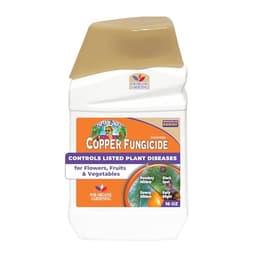
The standard organic treatment for both early and late blight. Protectant, so start at first sign and reapply every 7-10 days and after rain. Our copper fungicide guide covers the exact dilution by plant.
$10-$20 · Best for Organic blight control and prevention
Check price on Amazon →The conventional broad-spectrum protectant many growers rotate with copper for blight and septoria. Follow the label and pre-harvest interval carefully on food crops.
$12-$22 · Best for Conventional blight and leaf-spot prevention
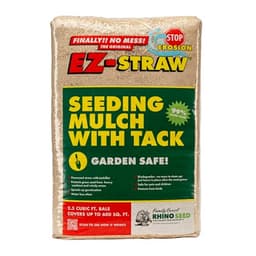
A 3-4 inch mulch layer is the cheapest blight control there is — it stops rain from splashing soilborne spores up onto lower leaves. Unglamorous and genuinely effective.
$5-$15 · Best for Blocking soil-splash infection
Check price on Amazon →Varieties like Iron Lady, Mountain Merit, Defiant PhR, Mountain Magic, and Plum Regal carry real resistance to late and early blight — the single best prevention for next season. Heirlooms taste great but offer almost no protection.
$4-$8 · Best for Preventing blight before it starts, next season
Treatment information on PlantFix is educational. When using any pesticide — including organic options like neem oil or insecticidal soap — read and follow the entire product label; the label is the law. For persistent or high-stakes problems, your local university extension service offers free, region-specific advice. Read about how we source and verify treatment guidance in our Editorial Standards.
FAQ
Can you eat tomatoes from a plant with blight?▼
Yes, if the fruit itself is unaffected. Blight lives on leaves, stems, and some fruit, but tomatoes with no lesions are safe to eat — just wash them and use them promptly. If a tomato has the dark, sunken, leathery spots of blight, cut those parts away and use the rest, or discard heavily affected fruit. The disease is plant-specific and poses no danger to people.
What's the difference between early blight and late blight?▼
Early blight (Alternaria) starts on the lowest, oldest leaves with brown bullseye-ringed spots and spreads slowly over weeks in warm humid weather. Late blight (Phytophthora infestans) hits upper leaves and stems with greasy gray-green water-soaked patches and white fuzzy mold, spreads explosively in cool wet weather, and can kill a plant in under two weeks. Late blight is the far more urgent of the two and often warrants removing the plant to protect others.
Will tomato blight come back next year?▼
Early-blight spores overwinter in soil and plant debris, so it readily returns unless you rotate crops (no tomatoes or potatoes in that bed for three years) and clean up all debris in fall. Late blight generally can't survive a hard winter on dead tomato tissue in cold regions, but it overwinters in potato tubers and blows in from southern areas or infected transplants each season. Either way, resistant varieties and garden sanitation are your best defense next year.
Does copper fungicide cure tomato blight?▼
Copper is protectant, not curative — it shields healthy tissue from new infection rather than healing damaged leaves. That's why timing matters: start at the first sign, spray every 7-14 days, and reapply after rain. It can hold early blight in check all season and can slow late blight if you catch it very early, but it won't reverse existing damage. See our copper fungicide guide for exact dilution and schedule.
Is tomato blight the same as potato blight?▼
Late blight is — it's caused by the same organism, Phytophthora infestans, and moves freely between tomatoes and potatoes, which is why they're tracked together. Early blight also affects both crops but is caused by Alternaria species and is less devastating. If you grow both, keep them apart and never plant tomatoes where potatoes grew the previous year, since infected leftover tubers are a common source of spring outbreaks.
Related
- Plant Diseases: How to Identify and Treat the Most Common Ones →
- Powdery Mildew Treatment: What Works, Skip the Baking Soda →
- Anthracnose: How to Identify and Treat It on Every Kind of Plant →
- Blossom End Rot: It's a Watering Problem, Not a Calcium Problem →
- Downy Mildew: Why It's Not Powdery Mildew — and Why That Changes the Treatment →
- Copper Fungicide: Plant-by-Plant Dosage Chart + Safety Rules →
- Tomato Leaves Curling? 5 Causes Ranked by How Worried You Should Be →
- Tomato Hornworm ID: Kill It — Unless It Has White Cocoons →
- How to Fix an Overwatered Plant (Root Rot Rescue) →
Not sure what's wrong?
Use the diagnosis tool →Get seasonal plant care reminders and pest alerts.