Blossom End Rot: It's a Watering Problem, Not a Calcium Problem
The dark sunken patch on the bottom of your tomatoes isn't a disease and usually isn't a calcium deficiency. Here's the real cause, why calcium sprays and Epsom salt don't fix it, and what actually does.
9 min read · Updated 2026-08-14
By PlantFix Editorial Team · Sources: University Extension Programs, USDA, EPA
What Causes Blossom End Rot (Quick Answer)
Blossom end rot is the dark, leathery, sunken patch that forms on the bottom (blossom end) of tomatoes, peppers, squash, and other fruit. It's caused by calcium not reaching the developing fruit — but here's the part almost every guide gets wrong: the fix is not adding calcium. Most garden soils already have plenty. The real problem is inconsistent watering, which interrupts the plant's ability to carry the calcium it already has up to the fruit.
So skip the calcium sprays and the Epsom salt. The fix is steady soil moisture: water deeply and consistently (drip on a timer is ideal), mulch 3-4 inches deep to buffer the swings, and ease off high-nitrogen fertilizer that pushes growth faster than the plant can supply calcium. One more relief: blossom end rot is not a disease — there's no fungus, no bacteria, nothing contagious, and no fungicide will touch it. Fix the watering and the next flush of fruit comes in clean.
The Calcium Myth (Why "Just Add Calcium" Fails)
This is the single most misunderstood problem in the vegetable garden, and the bad advice is everywhere — including on some university pages and every retailer that sells a "blossom end rot" calcium spray. Here's what's actually happening.
Yes, blossom end rot is technically a calcium shortage in the fruit. But that rarely means your soil lacks calcium. Calcium moves through a plant only one way: dissolved in water, pulled up through the xylem by transpiration, and deposited wherever the water ends up. It can't be relocated once it lands. Fast-growing fruit at the end of a branch is last in line for that water-borne calcium, and it's the first tissue to run short whenever the water supply hiccups. As Clemson's Home & Garden Information Center puts it plainly, "if the supply of water taken up by the roots is interrupted, the supply of calcium is also interrupted" (Clemson HGIC).
Why foliar calcium sprays don't work: the marketing says spray calcium on the leaves and fix the fruit. But calcium deposited in a leaf can't be moved back out and shipped to the fruit, and the fruit's waxy skin can't absorb meaningful calcium directly. Clemson states it directly: "foliar calcium sprays are not effective." You're spraying the wrong tissue with a nutrient that can't travel to where it's needed.
What actually causes it, in order of how often it's the culprit:
1. Inconsistent watering — drought-then-flood cycles that repeatedly interrupt calcium transport. This is the big one.
2. Over-fertilizing with nitrogen — lush, rapid growth outpaces the plant's calcium delivery.
3. Root damage from aggressive cultivation or transplant shock, which cuts water uptake.
4. Extreme heat, which spikes transpiration and pulls calcium to the leaves and away from fruit.
Notice that three of the four are about water movement, not soil chemistry. That's why the fix is a watering habit, not a product.
Is It Blossom End Rot or Something Else?
Blossom end rot is distinctive once you know where to look, but it gets confused with real diseases that need completely different treatment.
Blossom end rot vs. early blight. Blight lives on leaves and stems — brown bullseye-ringed spots. Blossom end rot is only on the fruit, only on the bottom, and never on foliage. If the leaves are spotting, you have a disease; see our tomato blight guide. If only the fruit bottoms are affected, it's blossom end rot.
Blossom end rot vs. sunscald. Sunscald is pale, bleached, papery, and on the sun-facing side of the fruit. Blossom end rot is dark, leathery, and on the bottom. Different location, different color.
Blossom end rot vs. anthracnose. Anthracnose makes sunken spots that can appear anywhere on the fruit and ooze pink spores in humid weather — it's a contagious fungal disease. Blossom end rot has no spores, no ooze, and stays put on the blossom end. If it's spreading between fruit, it's not blossom end rot.
The defining tell: blossom end rot always sits on the bottom of the fruit, starts as a small water-soaked spot, and turns into a dry, sunken, leathery patch. It never appears on leaves and never spreads plant to plant. If you're unsure whether the fruit spots you're seeing are physiological or a disease, upload a photo to our plant diagnosis tool — telling a care problem from an infection is exactly the fork it's built for.
How to Fix Blossom End Rot This Season
The affected fruit won't recover — but the next fruit will come in clean within a week or two once you fix the water supply. Do these in order:
1. Remove the affected fruit. Pick and toss (or cut around and eat — the unaffected part is fine) the rotted fruit so the plant stops spending energy on it.
2. Set a consistent watering schedule. This is the actual cure. Water deeply every 2-3 days rather than a little every day, aiming to keep the root zone evenly moist — never bone-dry, never waterlogged. Drip irrigation or a soaker hose on a timer removes the human inconsistency that causes the problem in the first place.
3. Mulch 3-4 inches deep. Straw, shredded leaves, or wood chips buffer soil moisture against hot afternoons and dry spells — it's the cheapest, most effective single fix after consistent watering.
4. Stop the nitrogen. Pause high-nitrogen fertilizer during fruiting; it forces growth the plant can't keep supplied with calcium. Switch to a balanced or lower-nitrogen feed.
5. Only add calcium if a soil test says to. If — and only if — a soil test shows genuinely low calcium or a pH below about 6.0, amend with garden lime (which also raises pH) or gypsum (which doesn't) in the off-season. That's a soil correction for next year, not a rescue for this week. For everyone else, adding calcium does nothing because calcium was never the shortage.
Which Crops Get Blossom End Rot?
Tomatoes get the headlines, but blossom end rot hits any fruit that depends on steady calcium delivery — and most guides only mention tomatoes, which leaves half of gardeners guessing.
Tomatoes are the most common by far, especially large-fruited and indeterminate types, and especially the first fruits of the season.
Peppers — both bell and hot peppers get it, often mistaken for sunscald or disease.
Squash and zucchini — the blossom end softens and blackens, sometimes so early it's mistaken for poor pollination.
Watermelon and other melons — a sunken dark patch on the ground-facing blossom end.
Eggplant — less common but the same mechanism.
The pattern across all of them: early-season fruit on plants that haven't yet built a deep, established root system are the most vulnerable, because their water — and therefore calcium — supply is the least stable. As the roots mature and (with your help) the watering steadies, later fruit usually comes in fine.
Preventing Blossom End Rot Next Season
Because it's a water-management problem, prevention is almost entirely about consistency.
Automate the watering. Drip irrigation or a soaker hose on a timer is the highest-leverage fix — it removes the drought-flood swings that human schedules create. Aim for deep, even moisture, not frequent light sprinkles.
Mulch heavily from the start. Lay 3-4 inches of straw or shredded leaves at transplant time so the soil never swings between soggy and bone-dry.
Soil-test before you amend. Don't dump calcium on faith. Test first; only correct if the numbers or a low pH actually call for it. Most gardens don't need it.
Go easy on nitrogen during fruiting. Use a balanced fertilizer once fruit sets — heavy nitrogen drives leafy growth that competes with fruit for calcium.
Don't cultivate close to the roots. Deep hoeing near the base severs feeder roots and cuts water uptake right when the plant needs it steady. And skip the Epsom salt entirely — it's magnesium, not calcium, and the added magnesium actually competes with calcium for uptake, which can make blossom end rot worse. For related tomato troubles, our tomato leaf curl guide and the plant diseases hub cover the diseases that blossom end rot gets blamed for.
Recommended Products
We earn a commission if you buy through these links, at no extra cost to you. We recommend based on what works, not what pays. How this works.
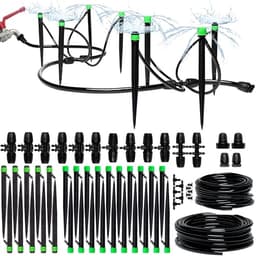
The actual cure for blossom end rot. On a timer, it delivers the deep, even soil moisture that keeps calcium moving to the fruit — removing the drought-flood swings that human watering schedules create.
$20-$45 · Best for Preventing blossom end rot by stabilizing soil moisture
Check price on Amazon →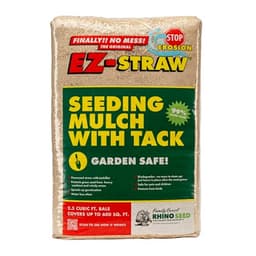
A 3-4 inch mulch layer buffers soil moisture against hot afternoons and dry spells — the cheapest, most effective blossom-end-rot prevention after consistent watering.
$5-$15 · Best for Buffering soil moisture swings
Check price on Amazon →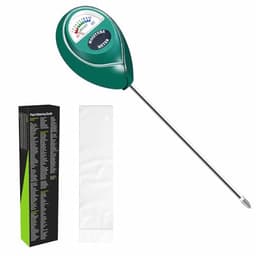
Takes the guesswork out of "even moisture" — check the root zone before watering so it never swings between soggy and bone-dry. Cheaper than replacing a season of rotted fruit.
$10-$20 · Best for Keeping soil moisture consistent
Check price on Amazon →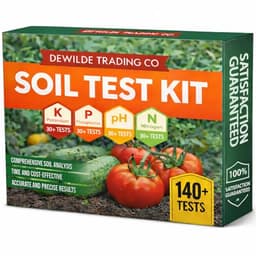
Before you add any calcium, test. Most garden soils already have plenty, and a test tells you whether pH or calcium is genuinely low — so you correct the soil for next season instead of wasting money on sprays this week.
$15-$30 · Best for Confirming whether calcium is actually the problem
Check price on Amazon →Treatment information on PlantFix is educational. When using any pesticide — including organic options like neem oil or insecticidal soap — read and follow the entire product label; the label is the law. For persistent or high-stakes problems, your local university extension service offers free, region-specific advice. Read about how we source and verify treatment guidance in our Editorial Standards.
FAQ
Can you eat tomatoes with blossom end rot?▼
Yes. Blossom end rot is a physiological disorder, not a disease or contamination — there's no fungus, bacteria, or toxin involved. Cut away the dark, sunken patch on the bottom and the rest of the tomato is perfectly good to eat. Only discard fruit where the rot has spread far enough that secondary mold has moved into the damaged tissue.
Does Epsom salt fix blossom end rot?▼
No — and it can make it worse. Epsom salt is magnesium sulfate and contains zero calcium, so it does nothing for a calcium-delivery problem. Worse, the added magnesium competes with calcium for uptake into the plant, which can deepen the very shortage causing blossom end rot. Skip it. The real fix is consistent watering and mulch, not any salt or spray.
Do calcium sprays work for blossom end rot?▼
Almost never. Calcium deposited on a leaf can't be moved back out and sent to the fruit, and the fruit's waxy skin can't absorb meaningful calcium directly — Clemson Extension states foliar calcium sprays "are not effective." You're treating the wrong tissue with a nutrient that can't travel to where it's needed. Fixing the watering consistency addresses the actual cause, and the next flush of fruit comes in clean.
Will blossom end rot spread to other plants or fruit?▼
No. Blossom end rot is not contagious — it's a physiological response to interrupted calcium transport, not a pathogen. It can appear on multiple fruits at once if they all faced the same watering stress, but it doesn't spread from fruit to fruit or plant to plant the way a disease does. If your fruit spots are actually spreading, you're likely looking at anthracnose or another fungal disease instead.
Why do only the first tomatoes get blossom end rot?▼
Early-season plants haven't built a deep, established root system yet, so their water uptake — and therefore their calcium delivery — is the least stable. The first fruits set during this shallow-rooted phase, and they're the ones that go short when moisture swings. As the roots mature and the watering steadies, later fruit almost always comes in fine, which is why blossom end rot often disappears on its own by midseason if you keep the moisture even.
Related
- Plant Diseases: How to Identify and Treat the Most Common Ones →
- Tomato Blight: How to Identify, Treat, and Stop Early & Late Blight →
- Anthracnose: How to Identify and Treat It on Every Kind of Plant →
- Tomato Leaves Curling? 5 Causes Ranked by How Worried You Should Be →
- Tomato Hornworm ID: Kill It — Unless It Has White Cocoons →
- How to Fix an Overwatered Plant (Root Rot Rescue) →
Not sure what's wrong?
Use the diagnosis tool →Get seasonal plant care reminders and pest alerts.