Anthracnose: How to Identify and Treat It on Every Kind of Plant
Dark, sunken lesions with pink spore ooze — on tomatoes, cucumbers, beans, and shade trees. A plant-by-plant treatment guide, the leaf-spots it's mistaken for, and when to spray versus pull.
11 min read · Updated 2026-08-14
By PlantFix Editorial Team · Sources: University Extension Programs, USDA, EPA
How to Identify and Treat Anthracnose (Quick Answer)
Anthracnose is not one disease — it's a group of fungal diseases caused by Colletotrichum and related fungi that all produce the same signature: dark, sunken, water-soaked lesions on leaves, stems, and fruit, often with a bullseye of concentric rings and pink-to-orange spore ooze in humid weather. It thrives in warm, wet conditions, which is why it peaks from late spring through summer.
The treatment is the same across every plant: remove and bag infected parts (never compost them), stop overhead watering, improve airflow, and start a copper fungicide spray every 7-14 days through the wet season. Copper and chlorothalonil are protectant — they shield healthy tissue but won't heal what's already lesioned, so timing matters more than dose. One reassuring note up front: on mature shade trees, anthracnose looks alarming but is almost never fatal. On vegetables, it's the opposite — ignore it and it can end the crop.
Anthracnose vs. the Leaf Spots It's Mistaken For
Half of "is this anthracnose?" turns out to be a different problem with a different fix. Here's how it sorts out.
Anthracnose vs. bacterial leaf spot. Anthracnose lesions are dry and sunken with a defined edge and often a target ring; bacterial spots look wet, greasy, and translucent, frequently with a bright yellow halo, and may ooze. If it's water-soaked and slimy, treat it as bacterial — copper still helps, but sanitation matters more.
Anthracnose vs. septoria leaf spot. On tomatoes especially, septoria makes many small spots with tan-gray centers and tiny black dots; anthracnose lesions are larger, darker, and sink inward. Both respond to copper.
Anthracnose vs. early blight. Both can ring, but early blight is a leaf-and-stem disease that starts on the lowest leaves, while anthracnose is a fruit specialist — it loves ripening tomatoes and shows up as circular sunken spots on the fruit itself. Our tomato blight guide covers the blight side in detail.
Anthracnose vs. sunscald. Sunscald is bleached, papery, and white-to-tan on the sun-facing side of fruit; anthracnose is dark and sunken and can appear anywhere.
Anthracnose vs. powdery mildew. No overlap once you look — powdery mildew is a white surface coating; anthracnose is a dark, sunken lesion. The confusion only happens by name.
The one tell that clinches it: in humid weather, mature anthracnose lesions push out salmon-pink or orange spore masses from their centers. Nothing else on this list does that. If you're staring at a spotty leaf and can't call it, upload a photo to our plant diagnosis tool — separating leaf-spot diseases is exactly what it's built for.
Anthracnose by Plant Type (What It Looks Like on Each)
Anthracnose behaves differently depending on the host, and the top search results — almost all tree-focused university pages — skip the vegetable and houseplant side entirely. Here's the plant-by-plant breakdown.
Tomatoes. The classic sign is on ripe and ripening fruit: small, circular, sunken spots that enlarge and develop concentric rings, sometimes with dark specks in the center. It often appears as the harvest comes in and spreads fast in warm, wet spells. Pick fruit promptly as it ripens — overripe tomatoes left on the vine are the main reservoir.
Cucumbers, melons, and squash. Purdue Extension documents anthracnose as a serious cucurbit disease: angular-to-round leaf spots that tear as they dry, water-soaked lesions on stems, and sunken, gummy spots on the fruit (Purdue Extension, BP-180-W). It can defoliate a vine and ruin melons.
Beans. Bean anthracnose shows as dark, sunken streaks on pods and reddish-brown lesions along leaf veins and stems. Critically, it's seed-borne — infected seed carries it to next year's crop, so buy certified disease-free seed and never save seed from an infected planting.
Shade trees (sycamore, maple, oak, ash). Spring anthracnose causes brown blotches along leaf veins and early leaf drop, often after a cool, wet spring. It looks devastating on a big sycamore and almost never is — the tree releafs. Rake and trash the fallen leaves; skip the spray on established trees.
Dogwood. The exception among trees. Dogwood anthracnose (Discula) causes tan leaf blotches, twig cankers, and can genuinely kill the tree over several seasons — worth taking seriously and treating.
Strawberries and other fruit. Firm, dark, sunken spots on the fruit that later ooze pink spores; also attacks crowns and runners.
Houseplants. Less common indoors but happens on plants that stay wet — leaf tips and margins turn dark brown with a yellow border. Almost always a symptom of too much leaf wetness and stagnant air.
Anthracnose Treatment Protocol
The steps in order of importance — the first two do more than any spray.
1. Remove and destroy infected tissue. Strip affected leaves, prune out cankered twigs, and pick off infected fruit. Bag it for the trash; do not compost, because the spores overwinter in debris. Sterilize pruners with rubbing alcohol between cuts so you're not spreading it yourself.
2. Stop wetting the foliage. Anthracnose needs free water on the leaf to infect and splashing water to spread. Switch to drip or soil-level watering, water in the morning, and mulch to stop rain from splashing soilborne spores upward. On crowded plants, prune for airflow.
3. Spray copper — on a schedule. Copper fungicide is the broad-spectrum organic standard; our copper guide has the dilution and timing. Start at first sign, coat both leaf surfaces, and reapply every 7-14 days and after rain. Because copper is protectant, a single spray after you notice spots does almost nothing — the schedule is the whole point.
4. Step up for severe or high-value crops. Conventional growers rotate chlorothalonil or mancozeb, which are the workhorse contact fungicides Purdue lists for cucurbit anthracnose. Follow the label's pre-harvest interval on anything you'll eat. Purdue's MELCAST forecasting system can time cucurbit sprays to actual disease-risk weather instead of the calendar.
5. Know what won't work. Neem oil is a mild preventive at best against an active anthracnose infection, and insecticidal soap does nothing to a fungal disease — it's for insects. When you need the copper, a sprayer, and mulch in one place, our recommended gear page pulls together what these steps call for.
A Season-Long Anthracnose Prevention Calendar
Anthracnose is far easier to prevent than to cure, and prevention runs on the calendar.
Spring. Clean up last year's fallen leaves and debris before new growth — that's where the fungus overwinters. Start susceptible cucurbits and beans from certified disease-free seed. On dogwoods with a history of anthracnose, begin protectant sprays as leaves emerge.
Early summer. As warm, wet weather arrives, space and stake plants for airflow, mulch heavily, and start monitoring the lower leaves and first fruit. Catching the first few lesions is worth ten sprays later.
Mid-to-late summer. Peak pressure. Hold the copper schedule through rainy stretches, pick ripening fruit promptly, and pull any severely infected vegetable plants to protect the rest of the row.
Fall. The highest-value chore of the year: rake and trash every infected leaf and spent plant. Prune dead, cankered wood from trees and shrubs. Rotate next year's tomatoes, cucurbits, and beans to a new bed — a three-year rotation starves soilborne strains.
Winter. Sterilize tools before storage and plan the rotation. If bean or cucurbit anthracnose hit hard, order fresh certified seed rather than saving your own. For the bigger picture of which disease hits which plant, our plant diseases hub ties the whole cluster together.
When to Save the Plant vs. When to Pull It
Not every anthracnose case is worth fighting, and knowing when to quit protects the plants around it.
Save it when you've caught it early, under about a quarter of the plant is affected, and it's an otherwise vigorous vegetable or ornamental. Strip the lesions, fix the watering and airflow, start copper, and most plants keep producing.
Pull it when more than half a vegetable plant is lesioned, the fruit is heavily infected, or it's spreading down the row — a badly infected plant is a spore factory aimed at its neighbors. Bag and trash it.
Trees get a pass. A mature sycamore, maple, or oak with spring anthracnose will drop leaves, look ragged, and releaf on its own — no spray, no worry. The single exception is dogwood, where anthracnose can be fatal and is worth treating. When you genuinely can't tell how far gone a plant is, the diagnosis tool can help you weigh it, and every treatment guide linked above has the fix once you've decided to fight.
Recommended Products
We earn a commission if you buy through these links, at no extra cost to you. We recommend based on what works, not what pays. How this works.
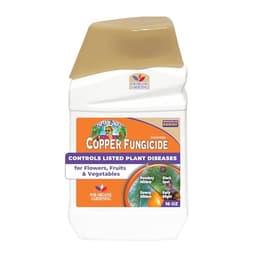
The broad-spectrum organic standard for anthracnose across vegetables, fruit, and ornamentals. Protectant, so start at first sign and reapply every 7-14 days and after rain. Our copper fungicide guide has the dilution by plant.
$10-$20 · Best for Organic anthracnose control on most plants
Check price on Amazon →The conventional broad-spectrum contact fungicide many growers rotate for anthracnose and leaf spots, especially on cucurbits. Follow the label and pre-harvest interval carefully on food crops.
$12-$22 · Best for Severe anthracnose on vegetables
Bean and cucurbit anthracnose is seed-borne — infected seed carries it into next year. Starting from certified disease-free seed is the cheapest prevention there is. Never save seed from an infected planting.
$3-$8 · Best for Preventing seed-borne anthracnose in beans and cucurbits
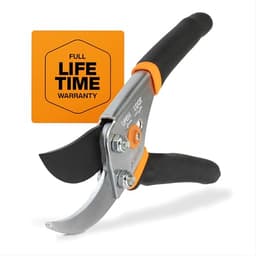
Clean cuts for removing infected leaves and cankered twigs, and — wiped with rubbing alcohol between cuts — the simplest way to avoid spreading spores yourself. Sanitation does half the work of disease control.
$15-$30 · Best for Removing infected tissue without spreading anthracnose
Check price on Amazon →Treatment information on PlantFix is educational. When using any pesticide — including organic options like neem oil or insecticidal soap — read and follow the entire product label; the label is the law. For persistent or high-stakes problems, your local university extension service offers free, region-specific advice. Read about how we source and verify treatment guidance in our Editorial Standards.
FAQ
What does anthracnose look like on plants?▼
Dark, sunken, water-soaked lesions on leaves, stems, and fruit — often with concentric rings forming a bullseye or target pattern. The clinching sign appears in humid weather: mature lesions push out salmon-pink or orange spore masses from their centers, which no other common leaf-spot disease does. On leaves it frequently follows the veins; on fruit like tomatoes and cucumbers it makes circular sunken spots that enlarge as the fruit ripens.
How do you treat anthracnose?▼
Remove and bag all infected leaves, stems, and fruit (never compost them), stop overhead watering, improve airflow, and spray copper fungicide every 7-14 days and after rain. Copper is protectant, so start at the first sign and keep to the schedule rather than spraying once. For severe cases or high-value crops, conventional growers rotate chlorothalonil or mancozeb, following the label's pre-harvest interval on edibles. Sanitation and dry foliage do more than any spray.
Can you eat tomatoes or cucumbers with anthracnose?▼
If the fruit itself is unaffected, yes — wash it and use it. If a tomato or cucumber has the sunken, spotted anthracnose lesions, cut those parts away and eat the rest, or discard heavily infected fruit. The fungus is plant-specific and poses no danger to people. Don't save seed from infected plants, though — several anthracnose species, especially on beans, are seed-borne and carry the disease into next year.
Will anthracnose kill my tree?▼
Almost never, for mature shade trees. Sycamore, maple, oak, and ash may lose leaves to spring anthracnose after a cool wet spell and look terrible, but they releaf and recover without treatment — just rake and trash the fallen leaves. The important exception is dogwood: dogwood anthracnose causes twig cankers and can kill the tree over several seasons, so it's worth treating. On vegetables, by contrast, unchecked anthracnose can end the crop.
Does neem oil work on anthracnose?▼
Only weakly, and only as a preventive. Neem oil can suppress some fungal spore germination if applied before infection takes hold, but it won't stop or reverse an active anthracnose infection. Copper fungicide is the reliable organic choice; chlorothalonil or mancozeb are the stronger conventional options. Whatever you spray, pair it with removing infected tissue and keeping the foliage dry — that combination is what actually controls it.
Related
- Plant Diseases: How to Identify and Treat the Most Common Ones →
- Leaf Spot Disease: Fungal vs. Bacterial (ID Chart + Treatment) →
- Tomato Blight: How to Identify, Treat, and Stop Early & Late Blight →
- Downy Mildew: Why It's Not Powdery Mildew — and Why That Changes the Treatment →
- Copper Fungicide: Plant-by-Plant Dosage Chart + Safety Rules →
- Neem Oil for Plants: Complete Guide to Using It Effectively →
- How to Fix an Overwatered Plant (Root Rot Rescue) →
Not sure what's wrong?
Use the diagnosis tool →Get seasonal plant care reminders and pest alerts.