Plant Diseases: How to Identify and Treat the Most Common Ones
A working field guide to sick plants: how to tell fungal from bacterial from viral, the symptom-to-disease shortcuts that actually narrow it down, and which treatments earn their place.
12 min read · Updated 2026-08-12
By PlantFix Editorial Team · Sources: University Extension Programs, USDA, EPA
Diagnosing a Sick Plant (Quick Answer)
Almost every plant disease falls into one of three families, and knowing which one you're looking at decides everything you do next. Fungal diseases are by far the most common — leaf spots, powdery and downy mildews, rusts, blights, and root rots. They show up as defined spots, fuzzy growth, or powdery coatings and usually respond to fungicides and better airflow. Bacterial diseases look wetter: water-soaked or greasy spots, oozing, sudden wilts, and a rotten smell. Viral diseases distort growth — mottled yellow-green mosaics, curled or stunted leaves — with no mold, no spots you can wipe, and no cure.
The single most useful habit is to read the pattern, not one leaf. Fungal problems tend to start low or in humid pockets and spread outward. Bacterial ones explode after warm rain. Viral ones appear on new growth all at once and never wash off. Below is the symptom shortcut that gets you to the right guide, and the honest version of what to spray, what to prune, and what to throw away.
The Three Families: Fungal, Bacterial, Viral
Roughly eight of every ten plant diseases a home grower meets are fungal, so start there and work outward.
Fungal. Fungi spread by spores that ride wind, water splash, and dirty tools. The tell is structure: a spot with a defined edge, a ring pattern, a powdery or fuzzy layer you can sometimes rub, or roots turned brown and mushy. Fungal diseases love wet leaves and stagnant air, which is why they surge after humid weeks and in crowded plantings. Most are treatable if you catch them early — copper and sulfur fungicides, potassium bicarbonate, and neem all have a real role, and sanitation does half the work.
Bacterial. Bacteria need a wound or a natural opening and free water to get in, so bacterial disease follows warm, rainy, splashy weather. The signature is a water-soaked look — spots that seem greasy or translucent, often with a yellow halo — plus oozing, dark streaks in stems, or a plant that wilts and collapses fast. Cut a wilted stem and a milky bacterial ooze may string out of it. Bacterial diseases are far harder to cure; copper can slow them, but the real answer is removing infected tissue and fixing the conditions.
Viral. Viruses are usually delivered by sap-feeding insects — aphids, thrips, whiteflies — or by handling and grafting. They don't make spots or mold. Instead you get mosaic mottling, ringspots, puckered or fern-like distorted leaves, and stunting that shows up across new growth at once. There is no spray that cures a plant virus. The move is to pull and bag the plant before the vector spreads it, then control the insects. If you've been fighting sap-suckers, our aphid, thrips, and whitefly guides cover the carriers.
Identify a Plant Disease by Symptom
Match what you're actually seeing to the likely cause, then jump to the dedicated guide.
White powdery coating on leaf tops → almost always powdery mildew, a fungal disease that thrives in crowding and poor airflow (not, oddly, in wet leaves). It wipes partly off and comes back.
Fuzzy gray-purple growth on leaf undersides, with yellow blotches on top → downy mildew, a water mold that behaves differently from powdery mildew despite the shared name. It needs cool, wet conditions.
Brown or black spots with rings or a target pattern on leaves and stems → a leaf-spot or blight complex. Our leaf spot guide sorts fungal from bacterial and walks the common types; on tomatoes and potatoes the concentric-ring "bullseye" is the early-blight signature, and small dark spots with pale centers on tomato leaves point to septoria.
Dark, sunken lesions with pink or orange spore masses on fruit, stems, or tree leaves → anthracnose, a warm-and-humid fungal group that hits vegetables, fruit, and shade trees.
A dark, sunken, leathery patch on the bottom of tomatoes or peppers → blossom end rot, which isn't a disease at all but a watering problem no fungicide will fix.
Yellowing leaves with wilting despite damp soil, mushy stem base, sour smell → root rot, the overwatering disease. Confirm at the roots, not the leaves — our yellow leaves guide walks the full differential.
Water-soaked or greasy spots, oozing, sudden collapse → bacterial, not fungal. Copper slows it; sanitation stops it.
Mottled, streaked, curled, or distorted new growth that never washes off → viral. Remove the plant and control the insects that spread it.
Still not sure? Upload a photo to our plant diagnosis tool — it's built for exactly this fork, and it's the one thing a text chatbot can't do from a description.
The Most Common Plant Diseases (and Where to Go Next)
These are the diseases you're most likely to be searching for, with the one thing each guide gets right that generic overviews skip.
Powdery mildew — the white-coating fungus on squash, cucumbers, roses, phlox, lilacs, and a long list of houseplants. Everyone online tells you to spray baking soda; the research says that's the weakest option on the shelf. Our guide ranks what actually works, including a university-tested milk spray.
Tomato blight — early blight and late blight are different diseases with different urgency. Late blight (the Irish Potato Famine organism) can flatten a tomato patch in a week. The guide has a diagnosis flowchart and a save-or-pull decision by how much foliage is gone.
Anthracnose — dark sunken lesions across tomatoes, cucumbers, beans, and shade trees, with tell-tale pink spore ooze in humid weather. Reassuringly rarely fatal to mature trees; genuinely crop-ending on vegetables if ignored.
Downy mildew — the cool-weather counterpart to powdery mildew, worst on cucurbits, basil, and grapes. It's a water mold, not a true fungus, so the fungicides that stop powdery mildew often don't touch it — which is why telling them apart matters.
Root rot — not really a leaf disease at all. It's an overwatering problem that opportunistic water molds finish off. The cure is a repot and a cut, not a fungicide.
For treatment mechanics across all of these, the two workhorses are our copper fungicide guide (the broad-spectrum option for fungal and some bacterial disease) and our neem oil guide (best as an early-stage and preventive tool). If the problem turns out to be an insect rather than a disease, start at the houseplant pests or garden pests hub instead.
How to Treat Plant Disease (Without Wasting Money)
Four principles do most of the work, and they matter more than which bottle you buy.
1. Sanitation first, spray second. Remove and bag infected leaves and fruit — do not compost them, because most fungal spores and bacteria survive a backyard pile. Disinfect pruners with rubbing alcohol between cuts so you're not inoculating healthy tissue. For a single sick houseplant, cleaning up and fixing conditions often ends the problem with no spray at all.
2. Fix the airflow and the water. Nearly every fungal and bacterial disease needs leaf wetness or stagnant humid air to establish. Space plants, prune for airflow, run a fan for crowded indoor collections, and water at the soil line in the morning so foliage dries fast. This is unglamorous and it outperforms fungicide.
3. Match the product to the family. Copper is the broadest option and the only home product with real activity against some bacterial diseases. Sulfur and potassium bicarbonate target fungal leaf diseases like powdery mildew. Neem works best preventively and on light infections. Insecticidal soap does nothing to a disease — it's for insects — and spraying it on blight is wasted effort. For viruses, no product works; skip straight to removal.
4. Treat on a schedule, or don't bother. Fungicides are mostly protectant — they guard tissue that isn't infected yet. A single spray after you notice spots is close to useless. If a disease is worth spraying, spray every 7 to 14 days through the risk window and reapply after rain. When you're ready to buy, our recommended gear page bundles the copper, sulfur, and application tools these guides call for.
Preventing Plant Disease
Prevention is where you actually win, because most of these diseases are far easier to avoid than to cure.
Buy resistant varieties. This is the highest-leverage move in a vegetable garden. Modern tomato varieties bred for blight and mildew resistance shrug off diseases that wipe out heirlooms — the tomato blight guide lists the specific ones worth growing. Disease resistance codes on seed packets (like V, F, N, LB) are free protection.
Rotate crops. Many soilborne fungi overwinter on debris and in soil. Don't plant tomatoes, potatoes, peppers, or eggplants in the same bed two years running; a three-year rotation starves the pathogen.
Water the soil, not the plant. Overhead watering splashes spores up onto leaves and keeps foliage wet — the two things disease needs most. Drip or soaker hoses at the base, early in the day, cut disease pressure dramatically.
Clean up in fall. The single most effective seasonal chore is clearing fallen leaves and spent plants that harbor overwintering spores. Prune dead wood from trees and shrubs and sterilize tools before storing.
Give plants room. Crowding is the root cause of most mildew and leaf-spot outbreaks, indoors and out. Space at the tag's recommendation, thin dense growth, and resist packing the windowsill. For indoor collections, drying the soil out between waterings also denies fungus gnats and root rot at the same time.
When to Save a Plant vs. When to Pull It
Not every sick plant is worth saving, and knowing when to quit protects everything around it.
Save it when the disease is caught early, under about a quarter of the plant is affected, and it's fungal or an overwatering rot you can correct. Trim, treat, fix conditions, and most plants recover.
Pull it when the disease is viral (no cure, and it's a reservoir infecting neighbors), when a bacterial wilt has collapsed the plant, or when late blight has taken hold on tomatoes in wet weather — that one spreads too fast to nurse. Bag and trash infected plants; never compost them.
Trees are the exception. A mature shade tree with anthracnose or leaf spot looks alarming but is almost never in real danger — it'll releaf next spring. Rake up the fallen leaves and skip the panic.
When you're genuinely unsure whether what you're seeing is a disease, a pest, or a care problem, that's exactly what the diagnosis tool is for — and once you know the culprit, every guide linked above has the fix.
Recommended Products
We earn a commission if you buy through these links, at no extra cost to you. We recommend based on what works, not what pays. How this works.
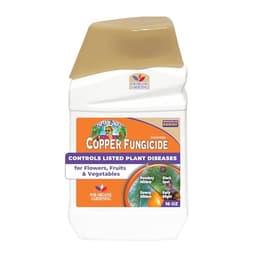
The broadest-spectrum home option — the one product with real activity against both fungal and some bacterial diseases. Protectant, so apply early and reapply every 7-14 days through the risk window. See our copper fungicide guide for dosing by plant.
$10-$20 · Best for Broad fungal and bacterial disease prevention
Check price on Amazon →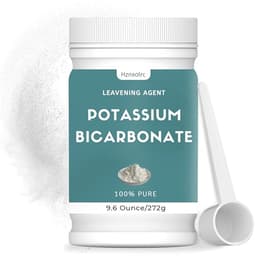
The bicarbonate salt the EPA-registered mildew products are actually built on — more effective than baking soda and it supplies potassium instead of sodium. Best against powdery mildew and other fungal leaf diseases.
$12-$20 · Best for Powdery mildew and fungal leaf spots
Check price on Amazon →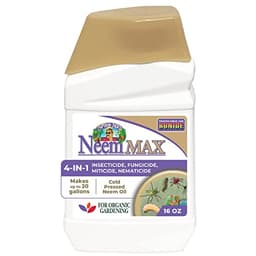
A preventive and early-stage tool that suppresses several fungal diseases and doubles as a soft-bodied-insect control. Not a cure for established infections — use it before disease takes hold or in rotation.
$8-$15 · Best for Early-stage and preventive disease control
Check price on Amazon →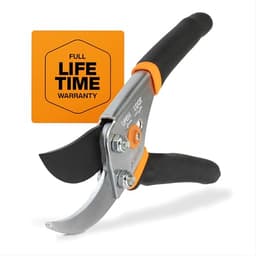
Clean cuts and, wiped with rubbing alcohol between plants, the simplest way to stop spreading disease as you remove infected tissue. Sanitation does half the work of disease control.
$15-$30 · Best for Removing infected leaves and stems without spreading spores
Check price on Amazon →Treatment information on PlantFix is educational. When using any pesticide — including organic options like neem oil or insecticidal soap — read and follow the entire product label; the label is the law. For persistent or high-stakes problems, your local university extension service offers free, region-specific advice. Read about how we source and verify treatment guidance in our Editorial Standards.
FAQ
How do I know if my plant has a fungal, bacterial, or viral disease?▼
Read the texture and pattern. Fungal disease makes defined spots, rings, powdery coatings, or fuzzy growth and loves humidity. Bacterial disease looks wet and greasy — water-soaked spots, oozing, fast wilting — and follows warm rain. Viral disease distorts and mottles new growth, never forms mold you can wipe off, and has no cure. When you can't tell wet-looking bacterial spots from fungal ones, treat conditions first (airflow, dry foliage) and remove affected tissue, since that helps regardless of which it is.
What is the most common plant disease?▼
Fungal diseases dominate, and powdery mildew and leaf spots are the ones home growers meet most. Powdery mildew's white coating shows up on everything from squash and roses to indoor jade and begonias, while blights and leaf spots are the headline diseases of tomatoes. Root rot from overwatering is the most common killer of houseplants specifically. Each has its own dedicated guide because the treatments genuinely differ.
Can plant diseases spread to other plants?▼
Yes — most do, which is why isolation and cleanup matter so much. Fungal spores travel on wind, water splash, and unsterilized tools; bacteria spread through water and wounds; viruses hitch a ride on sap-feeding insects and on your hands. Keep sick plants away from healthy ones, water at the soil line to stop splash, disinfect pruners between cuts, and bag rather than compost infected material.
Will a fungicide cure my plant?▼
Fungicides mostly protect healthy tissue rather than heal infected tissue, so they work best applied early and on a 7-to-14-day schedule, not as a one-time rescue. They also only help with fungal disease — copper adds some activity against bacteria, but nothing on the shelf cures a virus. For a single houseplant with root rot, the real fix is repotting and correcting watering, not spraying. Match the product to the disease family and pair it with sanitation.
Are plant diseases harmful to humans or pets?▼
The fungi and bacteria that sicken garden plants are plant-specific and don't infect people or pets. You can safely handle diseased plants and, in many cases, eat unaffected parts of the produce — cut away blighted or rotted sections and use the rest. The bigger household caution is the treatment: follow label directions on copper and sulfur fungicides, and keep children and animals off treated foliage until it dries.
Related
- Leaf Spot Disease: Fungal vs. Bacterial (ID Chart + Treatment) →
- Black Spots on Plant Leaves: Fungus, Bacteria, or Bugs? →
- Powdery Mildew Treatment: What Works, Skip the Baking Soda →
- Tomato Blight: How to Identify, Treat, and Stop Early & Late Blight →
- Anthracnose: How to Identify and Treat It on Every Kind of Plant →
- Blossom End Rot: It's a Watering Problem, Not a Calcium Problem →
- Downy Mildew: Why It's Not Powdery Mildew — and Why That Changes the Treatment →
- How to Fix an Overwatered Plant (Root Rot Rescue) →
- Copper Fungicide: Plant-by-Plant Dosage Chart + Safety Rules →
- Neem Oil for Plants: Complete Guide to Using It Effectively →
- Yellow Leaves on Plants: Every Cause & How to Fix It →
Not sure what's wrong?
Use the diagnosis tool →Get seasonal plant care reminders and pest alerts.