Vine Weevil: Why Your Potted Plant Collapsed (and How to Stop It)
Vine weevil grubs eat roots and kill container plants before you notice. Here's the two-stage pest, the pot-tip test, and which nematode to use in fall.
10 min read · Updated 2026-09-02
By PlantFix Editorial Team · Sources: University Extension Programs, USDA, EPA
How to Get Rid of Vine Weevils (Quick Answer)
Vine weevils are a two-stage pest, and the stage you can see isn't the one that matters. The adults are dark, flightless beetles (about 1/3 inch) that chew distinctive U-shaped notches in leaf edges at night — ugly, but rarely serious. The real killers are the larvae: fat, white, C-shaped grubs with tan heads that live in the soil and eat roots, often destroying a container plant's entire root system before anything shows above ground. If a potted plant suddenly wilts despite moist soil, or lifts out of its pot with barely any roots attached, suspect vine weevil grubs.
To confirm, tip the plant out and look through the root ball for white grubs. Treat them with beneficial nematodes (Steinernema kraussei or Heterorhabditis species) applied as a soil drench — late summer through autumn is the prime window, which is right now. For the adults, hand-pick at night by flashlight; they play dead and drop when disturbed, so hold a sheet of paper underneath and shake.
A Two-Stage Pest: Cosmetic Adults, Deadly Grubs
Almost every vine weevil mistake comes from treating the wrong stage. Understand the split and the rest of the plan makes sense.
The adults are slow, wingless, matte-black beetles with a short snout and faint gold flecks, roughly 1/3 inch long. They feed only at night, notching the margins of leaves in a scalloped pattern, and hide in soil, mulch, and crevices by day. Leaf notching looks alarming but is almost always cosmetic — a healthy shrub shrugs it off.
The grubs are the problem. Legless, creamy-white, C-shaped, with a light-brown head, they live in the root zone and eat roots and bark from the base up. In a container, where roots are confined and the grubs can't disperse, they can strip a plant's entire root system, so the first symptom is often a plant that simply collapses.
One biological detail makes vine weevil especially relentless: in North America the black vine weevil (Otiorhynchus sulcatus) is parthenogenetic — the population is essentially all female, and no males have ever been found. Every adult lays eggs without needing to mate, up to a couple hundred over its life, per Ohio State University Extension. That means a single weevil hitchhiking in on a nursery plant can seed a full infestation by itself.
Identifying Vine Weevil Damage (The Pot-Tip Test)
Above ground, look for the notching: neat, U-shaped bites taken out of leaf edges, most often on rhododendrons, azaleas, heuchera, primrose, and other broadleaf plants. Notching alone tells you adults are around and eggs are likely in the soil below.
Below ground is where you diagnose the serious problem. The pot-tip test takes two minutes: support the base of the stem, tip the container on its side, and slide the root ball out. Vine weevil grubs are obvious once you know them — plump white C-shapes, 1/4 to 1/2 inch, curled in the soil and against the roots. A badly infested root ball crumbles because the fine roots are gone; sometimes you'll find more grub than root.
The classic scenario: a container plant wilts on a mild day, you water it thinking it's thirsty, and it wilts again — because there are no roots left to take the water up. That paradox (wilting in wet soil) also points to root rot, so the pot-tip test is what tells them apart. Rotten roots are dark and mushy; weevil-eaten roots are simply missing, with grubs present.
Plants Most at Risk
The black vine weevil feeds on over 200 plant species, but the damage concentrates in a few predictable places.
Container plants of any kind — the top victims, because grubs are trapped in a limited root zone with nowhere else to feed.
Rhododendrons and azaleas — a favorite host for both notching adults and root-feeding grubs.
Strawberries and other soft fruit (blueberry, blackberry, cranberry) — grubs can wipe out container or raised-bed crops.
Heuchera, primrose, cyclamen, and sedum — high-risk ornamentals that collapse fast when roots go.
Yew and euonymus — woody hosts where adults notch foliage and grubs gnaw bark.
Houseplants usually get vine weevil the same way: an outdoor container comes inside for winter carrying grubs or eggs. It's worth checking the root ball of anything you move indoors in autumn, which is exactly when late-season grubs are actively feeding.
Treating the Grubs (Nematodes and Timing)
Beneficial nematodes are the standard grub treatment, and getting the species and timing right is the whole game — especially in fall.
Nematodes are microscopic worms that hunt down grubs in the soil, enter them, and release a bacterium that kills the larva within days. Which species you use depends on soil temperature, and this is the detail most articles skip:
Steinernema kraussei is the cold-tolerant weevil specialist. It stays active in soil down to about 41°F (5°C), which makes it the right choice for spring and — critically — late-autumn applications when the soil is cooling.
Heterorhabditis bacteriophora / H. megidis is more aggressive but needs warmer soil, roughly 54°F (12°C) and up, so it suits late summer and early fall while the ground is still warm.
The RHS recommends applying in August or early September, before grubs grow large enough to do serious damage and while soil is warm enough for the nematodes to work. Drench moist, well-drained potting media — nematodes need moisture to move and die out if the mix dries. Our beneficial nematodes guide covers mixing rates, storage, and application step by step.
If you've caught it at repotting, the low-tech option works too: remove all the old soil, rinse and inspect the roots, pick out every grub, and replant in fresh mix. For ornamentals (never edibles), a systemic soil drench is a chemical fallback, but mind pollinator warnings on anything that flowers.
Dealing With the Adults
Adults are easier to handle than grubs because they can't fly and they're creatures of habit.
Hand-pick at night. Vine weevils feed after dark. Go out with a flashlight, hold a sheet of paper or an open umbrella under the foliage, and tap the plant — the weevils reflexively drop and play dead, straight into your collector. Do this a few nights running during the adult feeding period and you'll put a real dent in egg-laying.
Set trap boards or rolled cloth. Adults hide in dark, tight spots by day. Lay a board or a roll of corrugated cardboard on the soil near affected plants and check underneath each morning.
Use barriers on containers. A sticky band around the pot rim or a ring of diatomaceous earth on the dry soil surface stops flightless adults from climbing to the leaves — and stops them getting down to lay eggs.
Controlling adults matters because every female you remove is up to a couple hundred eggs that never hatch. But if a plant is already collapsing, the adults are a side issue — go straight to the grubs.
Prevention for Container Plants
Vine weevil is far easier to keep out than to clear, and its range is expanding as milder winters let more grubs survive. A few habits do most of the work.
Inspect new plants. Slide nursery plants out of their pots and check the root ball before you bring them home or indoors — one hitchhiking grub or all-female adult is all it takes.
Use fresh potting mix when repotting, and don't reuse old container soil that might harbor grubs or eggs.
Apply a preventive nematode drench in autumn to valuable container plants, matching the species to your soil temperature as above.
Raise containers off the ground on pot feet, which makes it harder for adults to climb in and lay eggs.
Check anything moving indoors in fall — adults lay eggs from roughly August into October, so that's exactly when incoming containers are most likely to carry the next generation.
For grubs in the lawn rather than pots, that's usually a different pest — see our lawn grubs guide — and for the full picture of what's chewing the garden, the garden pest identification guide sorts it by damage. When in doubt, the diagnosis tool will help you confirm.
Frequently Asked Questions
Common vine weevil questions, answered.
Recommended Products
We earn a commission if you buy through these links, at no extra cost to you. We recommend based on what works, not what pays. How this works.
The cold-tolerant vine weevil specialist. Active in soil down to about 41°F, so it's the right choice for autumn drenches when the ground is cooling. Apply to moist, well-drained media and keep it damp for best results.
$25-$40 · Best for Killing grubs in fall and early spring cool soil
A more aggressive grub hunter for warmer soil (above ~54°F), ideal for late-summer and early-fall applications while the ground is still warm. Water in thoroughly and keep the media moist.
$25-$40 · Best for Late-summer grub control in warm soil
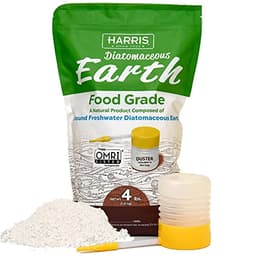
A dry mineral barrier on the pot surface that stops flightless adults from climbing to feed and lay eggs. Only works while dry, so reapply after watering or rain.
$8-$15 · Best for Blocking adult weevils on containers
Check price on Amazon →Treatment information on PlantFix is educational. When using any pesticide — including organic options like neem oil or insecticidal soap — read and follow the entire product label; the label is the law. For persistent or high-stakes problems, your local university extension service offers free, region-specific advice. Read about how we source and verify treatment guidance in our Editorial Standards.
FAQ
Can vine weevils kill plants?▼
The grubs absolutely can, especially in containers. By eating the roots from the base up, they can destroy a potted plant's entire root system before any symptom shows above ground — the plant then wilts or collapses seemingly out of nowhere. The adults, by contrast, only notch leaf edges and are essentially cosmetic. When people say vine weevils killed their plant, it's almost always the larvae in the soil.
When is the best time to treat vine weevil?▼
Late summer through autumn is the prime window for grubs, because that's when the young larvae are feeding and still small. The RHS recommends applying beneficial nematodes in August or early September, before the grubs grow large and while soil is warm enough for the nematodes to work. Use Steinernema kraussei if soil is cool (down to 41°F) and a Heterorhabditis species while it's still warm (above about 54°F).
Do vine weevils fly?▼
No. Adult vine weevils are completely flightless — their wing cases are fused — so they can only walk and climb. That's why physical barriers like sticky bands around pot rims and diatomaceous earth rings are so effective against the adults, and why hand-picking at night works: they can't escape by flying, they just drop and play dead.
Do vine weevils come inside the house?▼
They can, but usually by accident — hitching a ride on a container plant brought indoors for winter, as grubs or eggs in the soil or an adult tucked in the foliage. They don't seek out homes and they don't damage the house, furniture, or people; they only feed on plants. Check the root ball of anything you move inside in autumn, which is when grubs are most active.
Related
- Garden Pest Identification: 25+ Bugs by the Damage They Do →
- Beneficial Nematodes: Which Species Kills Your Specific Pest (Buying Guide by Pest Type) →
- Diatomaceous Earth for Plants: Which Pests It Kills (And Which It Doesn't) →
- Lawn Grubs: The Underground Reason Your Grass Is Dying (ID + Treatment) →
- How to Fix an Overwatered Plant (Root Rot Rescue) →
- Japanese Beetles: Why Traps Backfire & a Week-by-Week Control Calendar →
- Houseplant Pests: Visual ID Guide to Every Bug on Your Indoor Plants →
Not sure what's wrong?
Use the diagnosis tool →Get seasonal plant care reminders and pest alerts.