Tiny Orange Bugs on Plants: What They Are (5 Culprits)
Tiny orange bugs? Where you found them tells you what they are — windowsill vs soil vs new leaves. A 2-minute location-based ID for the 5 common species.
8 min read · Updated 2026-09-04
By PlantFix Editorial Team · Sources: University Extension Programs, USDA, EPA
What Are the Tiny Orange Bugs? (Quick Answer)
Tiny orange bugs are almost always one of five things, and where you found them narrows it down instantly. On a windowsill or exterior wall, they're clover mites — harmless outdoor wanderers. In the potting soil, fast-moving orange specks are usually predatory soil mites, which are beneficial, so leave them. On the newest leaves, distorted growth points to microscopic broad mites, which do need treatment. Bright yellow-orange bugs clustered on milkweed or oleander stems are oleander aphids. And peach-orange, waxy dots in the leaf joints are citrus mealybugs.
So before you spray anything, answer one question: where exactly were they? That single fact separates the harmless from the beneficial from the genuinely damaging. Work through the location chart below, and if you want a positive ID from a photo, the plant diagnosis tool will match the bug to your specific plant and symptoms in a couple of questions.
The 5 Tiny Orange Bugs, Identified
1. Clover mites (on windowsills, walls, concrete)
The most common tiny orange bug people find indoors. About 1/30 inch — barely a moving dot — reddish-orange to olive, with a distinctive pair of extra-long front legs held forward that look like antennae. Crush one on white paper and it leaves a bright red-orange streak. Clover mites feed on grass and clover outdoors and only wander inside by accident through cracks; they can't reproduce indoors, don't bite, and don't touch houseplants. They're a nuisance, not a pest. (See our clover mites guide for sealing them out.)
2. Predatory soil mites (in potting soil, fast-moving)
Small orange or tan mites that scurry across the soil surface when you water. These are beneficial — they hunt fungus gnat eggs, springtails, and pest mites. Do not treat them. If you also have slow, pale, rounder mites in the soil, those may be harmless soil mites too. Fast and orange in the dirt almost always means you have a free cleanup crew.
3. Broad mites (on new growth, invisible)
The one genuinely dangerous entry, and you'll almost never see the mite itself — broad mites are microscopic and need magnification. You diagnose them by the damage: new leaves emerge twisted, bronzed, thickened, or crinkled, and buds abort. Per University of Maryland Extension, they favor begonias, gerberas, impatiens, and peppers. If your plant's newest growth is deformed but you can't find a bug, suspect broad mites.
4. Oleander aphids (bright yellow-orange, on stems)
Unmistakable once you know them: bright lemon-to-orange, pear-shaped, about 1/8 inch, with black legs, black antennae, and two black tailpipe-like cornicles on the rear. They swarm the stems and buds of milkweed, oleander, and hoya. University of Maryland Extension notes they're the classic orange insect on butterfly weed. Treat like other aphids — but gently on milkweed you're growing for monarchs.
5. Citrus mealybugs (peach-tinted, waxy)
Orange-to-peach, soft, waxy-coated insects tucked into leaf joints and stem crevices, often with a faint white fuzz. They're a warmer-hued relative of the classic white mealybug. A dab of 70% rubbing alcohol or insecticidal soap clears them.
Quick ID by Where You Found Them
This is the fastest path to an answer — no magnification required. Match the location to the most likely bug and whether it's a problem at all.
Windowsill / walls / concrete → Clover mites. Harmful? No. Action: vacuum, seal cracks, no spray.
Potting soil, fast-moving → Predatory soil mites. Harmful? No — beneficial. Action: leave them alone.
New leaf growth, distorted → Broad mites. Harmful? Yes. Action: miticide or neem every few days.
Stems/buds of milkweed or oleander → Oleander aphids. Harmful? Yes. Action: water blast, insecticidal soap.
Leaf joints, waxy → Citrus mealybugs. Harmful? Yes. Action: alcohol swab or soap.
The overlap worth knowing: "orange" and "red" blur together on tiny mites. If your bug reads more red than orange, or you're finding them outdoors in soil and mulch, cross-check our tiny red bugs guide — clover mites, spider mites, chiggers, and red velvet mites all live in that color range and the ID tests there (webbing check, crush test) apply here too.
Which Ones to Leave Alone
The costliest mistake with tiny orange bugs is spraying the helpful ones. Two of the five on this list are either beneficial or harmless, and blasting them with insecticide can make your real problems worse.
Leave the soil mites. Fast orange mites on the soil surface are predators eating the eggs of fungus gnats and other pests. Drenching the pot to kill them removes a natural control and can trigger a gnat rebound. If you have a genuine fungus gnat problem, these mites are on your side.
Leave the clover mites — and seal instead. They can't live or breed indoors and do nothing to your plants. Insecticide indoors is pointless; the fix is caulking gaps and vacuuming, not spraying.
Act on the plant-feeders. Broad mites, oleander aphids, and citrus mealybugs are the three that actually damage plants. If your bug is on living leaves or stems and the plant is suffering — distorted growth, sticky honeydew, clustering on buds — that's when treatment is warranted. Everything else is a passenger, not a pest.
Treatment (Only If It's a Plant Pest)
Once you've confirmed you have one of the three damaging species, match the treatment to the culprit:
Broad mites: Because they hide in unopened buds and new growth, contact sprays struggle to reach them. Use a miticide (abamectin) or thorough neem oil coverage of all new growth every 3-5 days for two to three weeks. Some growers hot-water dip infested plants (110°F/43°C for ~15 minutes) as an alternative. Isolate the plant — broad mites spread fast between neighbors.
Oleander aphids: Start with a firm water blast to knock the colony off, then insecticidal soap on stems and buds, repeating every 3-5 days. On milkweed grown for monarchs, skip the soap (it harms caterpillars) and hand-wipe or rinse the aphids off instead. Natural predators — ladybugs and lacewings — often clear them outdoors if you don't spray.
Citrus mealybugs: Spot-treat with a cotton swab dipped in 70% isopropyl alcohol, which dissolves their waxy coat on contact, then follow with insecticidal soap for stragglers. Check leaf joints and the underside of the pot rim where they hide.
For the right products and dilution rates, our recommended gear kits cover neem, insecticidal soap, and alcohol. And if you're still not certain which orange bug you have, upload a photo to the diagnosis tool before you treat — the wrong spray on the wrong bug wastes time the plant may not have.
Frequently Asked Questions
Common tiny orange bug questions, answered.
Recommended Products
We earn a commission if you buy through these links, at no extra cost to you. We recommend based on what works, not what pays. How this works.
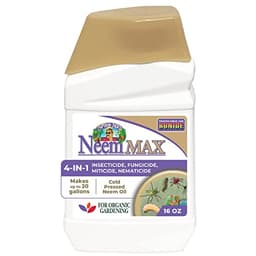
Broad-spectrum treatment for broad mites and orange aphids. Coats new growth and disrupts feeding and molting. Spray all leaf surfaces, especially unopened buds where broad mites hide, every 3-5 days.
$10-$18 · Best for Broad mites and aphids on new growth
Check price on Amazon →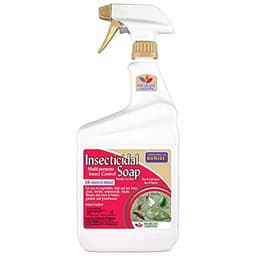
Contact spray that clears oleander aphids and citrus mealybugs on stems and buds. Must hit the insect directly. Repeat every 3-5 days; avoid on milkweed with monarch caterpillars.
$10-$18 · Best for Aphids and mealybugs on leaves and stems
Check price on Amazon →Dissolves the waxy coat of citrus mealybugs on contact. Dab on with a cotton swab for spot treatment in leaf joints and crevices, then follow with soap for any stragglers.
$5-$10 · Best for Spot-treating citrus mealybugs
Treatment information on PlantFix is educational. When using any pesticide — including organic options like neem oil or insecticidal soap — read and follow the entire product label; the label is the law. For persistent or high-stakes problems, your local university extension service offers free, region-specific advice. Read about how we source and verify treatment guidance in our Editorial Standards.
FAQ
Are tiny orange bugs harmful to plants?▼
It depends entirely on which one and where you found it. Clover mites (on windowsills) and predatory soil mites (in the dirt) are harmless or even beneficial. Broad mites on new growth, oleander aphids on stems, and citrus mealybugs in leaf joints are the three that actually damage plants. Location is the fastest way to tell — check the ID chart before you treat anything.
Do tiny orange bugs bite?▼
The common orange bugs found around plants and windowsills — clover mites, soil mites, aphids, and mealybugs — do not bite people or pets. Clover mites are the ones people find crawling on sills and walls, and they're purely a nuisance; they don't bite, sting, or spread disease. If something is biting you outdoors, you may be dealing with chiggers instead, which are covered in our tiny red bugs guide.
Why are there tiny orange bugs in my houseplant soil?▼
Fast-moving orange bugs on the soil surface are usually predatory soil mites, and they're good news — they eat fungus gnat eggs, springtails, and other pests. They thrive in moist, organic-rich potting mix and disappear as the soil dries. Leave them alone; treating the soil to kill them removes a natural control and can make a fungus gnat problem worse.
What are the tiny orange bugs on my milkweed?▼
Those are almost certainly oleander aphids (Aphis nerii) — bright yellow-orange, pear-shaped, about 1/8 inch, with black legs and two black cornicles on the rear. They swarm milkweed, oleander, and hoya. If you grow milkweed for monarchs, avoid insecticidal soap (it harms caterpillars) and instead rinse or hand-wipe the aphids off, or let ladybugs and lacewings handle them.
Related
- Tiny Red Bugs: Clover Mites, Spider Mites & How to ID Them →
- Tiny White Bugs on Plants: Identify & Kill All 5 Types →
- Tiny Green Bugs on Plants Are Almost Always Aphids →
- Clover Mites: The Harmless Red Bugs That Stain When Crushed →
- Spider Mites: Identification, Treatment & Prevention Guide →
- Mealy Bugs on Plants: How to Identify & Kill Them Fast →
- Aphids on Plants: How to Kill Them Fast (and Stop the Ants) →
- Soil Mites in Houseplants: The 4-Type ID Guide (Most Are Helping Your Plant, Not Hurting It) →
- Plant Bugs: Identify Any Bug on Your Plant in 30 Seconds →
- Houseplant Pests: Visual ID Guide to Every Bug on Your Indoor Plants →
Not sure what's wrong?
Use the diagnosis tool →Get seasonal plant care reminders and pest alerts.