Ants on Your Plants? The Real Problem Is Usually Aphids
Ants on plants almost never eat the plant — they're farming aphids, mealybugs, or scale for honeydew. Here's how to find the hidden pest and make the ants leave.
9 min read · Updated 2026-09-02
By PlantFix Editorial Team · Sources: University Extension Programs, USDA, EPA
Why Are There Ants on My Plants? (Quick Answer)
Ants on your plants almost always mean you have aphids, mealybugs, or scale insects — not an ant problem. Those sap-sucking pests excrete a sugary waste called honeydew, and ants farm them for it: they protect the colony from predators and, in exchange, harvest the honeydew. The ants are a symptom. The plant-killer is the pest they're tending.
So the fix is counterintuitive: kill the aphids, not the ants. Flip the leaves, check the stems and leaf joints for the real pest, treat it with insecticidal soap or neem oil, and the ants leave on their own once the food source is gone. Spraying ant poison around the pot kills ants and does nothing for the infestation quietly draining your plant.
Why Ants Are Really on Your Plants
Ants don't eat leaves, stems, or roots. What they're after is honeydew — the sweet, sticky liquid that aphids, mealybugs, scale, and whiteflies excrete after gorging on plant sap. To an ant colony, an aphid cluster is a herd of dairy cattle, and they manage it like one.
The relationship is one of the most-documented mutualisms in nature. Ants "milk" aphids by stroking them with their antennae to trigger a honeydew droplet. In return, they defend the herd — and they're genuinely effective bodyguards. Ladybugs and lacewings, the predators that would normally clear an aphid outbreak, actively avoid colonies that ants are guarding. Ants have even been observed moving aphids to fresh growth and grooming them to remove the fungal spores that would otherwise kill them.
That's the part that matters for your plant: as long as the ants are on duty, the aphids reproduce unchecked and your natural pest control stays away. Break the partnership and you don't just lose the ants — you let the ladybugs back in to finish the job. This is exactly why pest advice so often says to target the ants' food source first.
Find the Hidden Pest (Diagnostic Checklist)
Before you treat anything, find what the ants are farming. Work down this list with the plant in good light:
1. Leaf undersides — aphids. Tiny (1/16 inch), pear-shaped, and clustered on tender new growth and the backs of leaves. Green is most common, but they come in black, pink, gray, and white. Look for the exact spots ants keep returning to.
2. Stem joints and leaf axils — mealybugs. White, cottony tufts tucked where the leaf meets the stem. They look like specks of lint. They're also what people find when they search for tiny white bugs on plants.
3. Stems and leaf veins — scale. Small brown or tan bumps that don't move and scrape off with a fingernail. Easy to mistake for part of the plant.
4. Sticky residue — honeydew. Run a finger along the leaves and the surface below the plant. Tacky? That's the honeydew the ants are harvesting, and proof a sap-sucker is present even if you haven't spotted it yet.
5. Black coating — sooty mold. A dark, dusty film growing on the honeydew. Harmless itself, but a reliable sign of a heavy, established infestation.
Found none of the above? Then you may have the exception — ants simply nesting in dry potting soil — covered further down. If you're not certain what you're looking at, the diagnosis tool walks you through it from a photo.
How to Fix It: Treat the Pest, Not the Ants
Once you've identified the sap-sucker, the plan is simple and it's the same one that clears the ants:
1. Treat the real pest. Spray insecticidal soap or neem oil directly on the aphids, mealybugs, or scale, hitting leaf undersides and stem joints. Repeat every 5–7 days until the honeydew stops. For mealybugs specifically, a 70% rubbing-alcohol dab kills them on contact. Follow the treatment guide for whichever pest you found.
2. Cut the ants off from the herd. While the pest clears, a sticky barrier (Tanglefoot or a petroleum-jelly band) around the base of the pot or trunk physically stops ants from reaching the colony. Without their farmers, exposed aphids get eaten by predators far faster.
3. Skip the ant poison near plants. Baits and sprays aimed at the ants don't touch the aphids, and the infestation keeps going. Worse, killing the ants without killing the pest can trigger a short-term aphid population spike before predators catch up.
Within a week or two of the honeydew drying up, the ant trails vanish because there's nothing left to farm. That's how you know you actually solved it, not just chased ants around.
The Exception: Ants Nesting in Potting Soil
Occasionally ants aren't farming anything — they've just moved into the pot because the soil is dry, undisturbed, and conveniently located. This is more common with potted plants left to dry out and with outdoor containers.
The tells are different from the farming scenario: ant trails run into the soil rather than up to the leaves, you'll see small mounds of excavated soil on the surface, and there's no honeydew or sap-sucker anywhere on the plant. Ants nesting in soil generally don't eat healthy roots, but their tunneling creates air pockets that dry the root zone and can stress the plant.
To evict them: bottom-water thoroughly by setting the pot in a basin of water for 20–30 minutes so the whole root ball floods — nests can't survive saturation. Repeat a couple of times. For a stubborn colony, repot entirely into fresh mix, rinsing the old soil off the roots. A ring of diatomaceous earth on the dry soil surface works as a barrier, and a diluted cinnamon drench deters returning scouts. For a wider view of what else shows up in houseplant soil, our houseplant pest guide has the full ID chart.
Frequently Asked Questions
Common questions about ants on plants.
Recommended Products
We earn a commission if you buy through these links, at no extra cost to you. We recommend based on what works, not what pays. How this works.
The first-line treatment for the aphids, mealybugs, and scale the ants are farming. Contact killer, so hit the leaf undersides and stem joints directly and repeat every 5–7 days until the honeydew stops.
$10-$18 · Best for Clearing the sap-sucking pest that's actually attracting the ants
A tacky band applied around the pot rim or trunk that physically stops ants from reaching the colony they protect. Cuts the aphids off from their bodyguards so predators can move in.
$8-$15 · Best for Blocking ant access while you treat the real pest
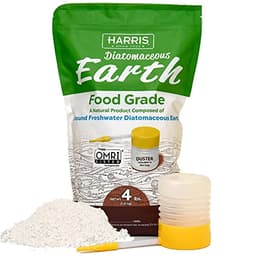
A fine mineral powder that works as a dry barrier on the soil surface for ants nesting in a pot. Only effective while dry — reapply after watering.
$8-$15 · Best for Ants actually nesting in dry potting soil
Check price on Amazon →Treatment information on PlantFix is educational. When using any pesticide — including organic options like neem oil or insecticidal soap — read and follow the entire product label; the label is the law. For persistent or high-stakes problems, your local university extension service offers free, region-specific advice. Read about how we source and verify treatment guidance in our Editorial Standards.
FAQ
Do ants damage plant roots?▼
Ants that are farming aphids don't touch the roots — they're up on the foliage tending the herd. Ants that nest in dry potting soil don't eat healthy roots either, but their tunneling opens air pockets that dry out the root zone and can stress the plant. In both cases the ants aren't the direct threat; the sap-sucking pests they farm are what actually damage the plant.
Should I kill the ants on my plants?▼
Killing the ants alone rarely helps and can briefly make things worse, because you've removed the aphids' predators-blockers without removing the aphids. Target the sap-sucking pest first with insecticidal soap or neem oil. A sticky barrier around the pot to keep ants off the plant is fine and useful, but ant poison near the plant is wasted effort — the honeydew source is still there.
Why do ants keep coming back to my plant?▼
Because the honeydew is still flowing. If ants return after you've knocked them back, you haven't fully cleared the aphids, mealybugs, or scale they're farming — there's a surviving pocket somewhere on the leaf undersides or stem joints. Re-inspect closely, re-treat the pest, and the ants stop coming once the food source is genuinely gone.
Are ants bad for potted plants?▼
Not directly, but they're a red flag. Ants on a potted plant almost always signal a hidden aphid, mealybug, or scale infestation, and the ants actively protect those pests from natural predators — so their presence lets a damaging infestation grow unchecked. Treat ants on plants as a diagnostic clue to go looking for the real problem.
Related
- Houseplant Pests: Visual ID Guide to Every Bug on Your Indoor Plants →
- Aphids on Plants: How to Kill Them Fast (and Stop the Ants) →
- Mealy Bugs on Plants: How to Identify & Kill Them Fast →
- Scale Insects on Houseplants: How to Identify and Get Rid of Them →
- Insecticidal Soap: What It Actually Kills (Including Spider Mites), DIY Recipe & Why Dawn Is Wrong →
- Neem Oil for Plants: Complete Guide to Using It Effectively →
- Tiny White Bugs on Plants: Identify & Kill All 5 Types →
- Plant Bugs: Identify Any Bug on Your Plant in 30 Seconds →
Not sure what's wrong?
Use the diagnosis tool →Get seasonal plant care reminders and pest alerts.