Spider Plant Drooping: Do the 12-Hour Water Test First
A drooping spider plant is usually just thirsty and perks back up within a day of a soak — unless the soil is wet, which means something more serious. Here's the dry-vs-wet test that tells you which, fast.
8 min read · Updated 2026-11-25
By PlantFix Editorial Team · Sources: University Extension Programs, USDA, EPA
Do This First: the 12-Hour Water Test
Before you diagnose anything, run one quick test that sorts most drooping spider plants in a single afternoon: feel the soil, water if it's dry, and check back in 12 hours. A thirsty spider plant perks back up within a day of a proper soak. One that stays limp on soil that's already wet has a different, more serious problem. That one check splits the common, harmless case from the dangerous one before you do anything you can't take back.
The reassuring part is why the test works. Spider plants are built to shrug off inconsistent watering — University of Wisconsin Horticulture Extension explains that their "Thick, fleshy roots and rhizomes evolved to store water, allowing spider plants to survive inconsistent watering." So a droopy spider plant is rarely an emergency — unless the soil is soggy, in which case the stored-water roots are the first thing to rot. Everything below is ordered by how often it's actually the cause, starting with the one that fixes itself. If you'd rather have a photo read the crown and soil for you, the plant diagnosis tool does it in a few taps.
Cause 1: It's Just Thirsty (Most Common, Fastest Fix)
This is where most drooping spider plants land. The soil is dry to the touch, the pot feels light, and the leaves have gone soft and floppy — but not mushy. Spider plants prefer evenly moist soil; NC State Extension notes the plant "grows best in moist soil" while being "tolerant of drought and dry soil," so when it finally does run dry, the leaves slacken.
The fix is a thorough drink, not a splash. Water slowly until it runs from the drainage holes, then empty the saucer. If the mix has shrunk from the sides of the pot and water races straight through, the rootball has gone hydrophobic — set the whole pot in a few inches of room-temperature water for 20 to 30 minutes so it rewets from the bottom, then drain. Wisconsin's watering rule is to "Allow the soil to dry slightly between thorough waterings," and NC State adds to "reduce watering during winter" when the plant is using less. A thirst-drooped spider plant usually stands back up within a day — which is exactly what the 12-hour check confirms.
Cause 2: Overwatering and a Soft Crown (the Dangerous One)
This is the case the water test is really screening for. If the plant is drooping and the soil is still wet — especially if the base of the crown feels soft or mushy — you're looking at overwatering and the start of root rot, not thirst. The irony is cruel: those thick, water-storing roots that make a spider plant so forgiving are the first thing to rot when the soil never dries, and a rotted root system can't take up water, so the plant wilts even though it's sitting in moisture.
The University of Maryland Extension describes the tell exactly — rotted roots are "brown to black and soft or mushy," and an affected plant "will wilt even when adequate moisture is present in the potting media." So if you watered because the plant looked droopy and it got worse, stop — you're feeding the rot. Slide the plant out and check the roots; if they're brown and mushy, don't reread the rescue here, our root rot guide walks the unpot-trim-repot salvage step by step. Wet soil plus a drooping spider plant means check the roots, every time.
Cause 3: Rootbound — Water Runs Straight Through
Spider plants grow fast and fill a pot quickly, and a severely rootbound one droops because there's barely any soil left to hold water. The tells are distinct: water runs straight through and out the bottom seconds after you pour it, thick white roots are visibly circling the surface or pushing out the drainage holes, and the plant wilts again within a day or two of every watering because the rootball can't hold a reserve.
A little snugness is actually good — spider plants produce their cascading pups more readily when slightly root-bound, so don't rush to repot a healthy one. But when the pot is solid roots and the plant can't stay hydrated, it's time to move up one pot size (no bigger) into fresh well-draining mix. Our root-bound plant guide covers how to tease apart circling roots and size the new pot so you don't over-pot it into soggy soil.
Cause 4: You Just Repotted or Moved It
If the drooping started right after a repot, a move to a new room, or a trip home from the store, it's probably transplant shock — the plant reacting to disturbed roots and a changed environment rather than a watering mistake. The giveaway is timing: nothing was wrong until you changed something, and the soil moisture is in a normal range.
The move here, as with most shock, is to do less. Keep it in one stable spot with bright indirect light, water only when the top of the soil dries, and skip fertilizer until it's visibly growing again. Our transplant shock guide covers the recovery window and the common mistake of "helping" a shocked plant into a decline.
Light and Winter: Floppy, Not Failing
Sometimes a spider plant just looks slack rather than truly drooping, and the cause is the season. Low winter light and a cold draft can both leave the leaves soft and lax without any watering problem at all. NC State notes spider plants do best in medium light and are "intolerant of direct sunlight," and that you should "keep temperatures above 45 degrees F."
Pull the plant back from cold windowpanes and away from the hot, dry draft of a heating vent, and give it bright but indirect light. A spider plant pressed against freezing winter glass or baked by a radiator will slacken and brown at the tips; move it somewhere stable and the posture usually firms up. (Those brown tips, if you're also seeing them, are a tap-water and dry-air story our spider plant brown tips guide covers — this page is about the whole-plant droop.)
When a Droopy Spider Plant Is Actually a Worry
Put it all together and the read is simple. Drooping plus dry, light soil is the easy case — water it and it'll be standing by morning. Drooping plus wet soil and a soft crown is the one to act on now: stop watering and check the roots for rot. Drooping right after a repot or move is shock — leave it alone and let it settle. And a spider plant that keeps wilting a day after every watering is telling you it's rootbound.
Because those fleshy roots bank water, a spider plant tolerates more neglect than it looks like it can, so don't panic-water a droopy one before you've checked whether the soil is actually dry. One more reassurance for pet households: NC State lists the spider plant as non-toxic to cats, dogs, and horses, so a cat batting at the dangling leaves is no emergency. If you can't tell whether yours is thirsty or rotting, that's exactly what the diagnosis tool is for — a photo of the crown and soil settles it.
Recommended Products
We earn a commission if you buy through these links, at no extra cost to you. We recommend based on what works, not what pays. How this works.
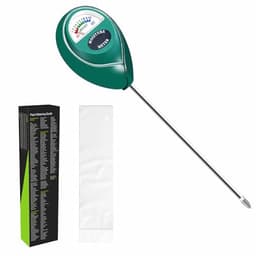
The entire spider-plant droop triage turns on wet versus dry soil, and the surface dries long before the root zone. A probe reads moisture down where the fleshy roots are, so you can tell a thirsty plant (dry — water it) from a rotting one (wet — stop) without guessing or unpotting it first.
$10-$15 · Best for Telling a thirsty spider plant from a rotting one
Check price on Amazon →A spider plant's water-storing roots rot in a pot that traps water, so a decorative cachepot with no hole is a common cause of the soggy-soil droop. A plastic nursery pot with real drainage, dropped inside the pretty pot and lifted out to water, is the cheapest fix for chronic wet feet.
$8-$15 · Best for Stopping the soggy-soil droop at its source
Treatment information on PlantFix is educational. When using any pesticide — including organic options like neem oil or insecticidal soap — read and follow the entire product label; the label is the law. For persistent or high-stakes problems, your local university extension service offers free, region-specific advice. Read about how we source and verify treatment guidance in our Editorial Standards.
FAQ
Why is my spider plant drooping?▼
Most often it's simply thirsty — dry, light soil and soft (not mushy) leaves that perk back up within a day of a good soak. The important exception is drooping on wet soil with a soft crown, which signals overwatering and root rot. Check the soil first: dry means water it, wet with a mushy base means stop and check the roots.
Will a drooping spider plant recover?▼
Usually, yes. A spider plant that's drooping from thirst stands back up within about a day of a thorough watering, thanks to the thick, water-storing roots that let it bounce back from neglect. Recovery is slower and less certain if the cause is root rot — there you have to unpot it, cut away the mushy roots, and repot into fresh well-draining soil before it can rebuild.
Can overwatering make a spider plant droop?▼
Yes, and it's the dangerous version of drooping. When soil stays constantly wet, the fleshy roots rot and can no longer take up water, so the plant wilts even though the soil is moist — University of Maryland Extension notes rotted plants wilt even when adequate moisture is present. The tell is a soft, mushy crown and brown, mushy roots. Stop watering and check the roots.
Are spider plants toxic to cats and dogs?▼
No. NC State Extension lists the spider plant (Chlorophytum comosum) as non-toxic to cats, dogs, and horses, which is part of why it's such a popular pet-household plant. Cats are often drawn to the dangling leaves and pups, but a nibble isn't a poisoning risk.
Related
- Spider Plant Brown Tips: 6 Causes, Usually the Water →
- Spider Plant Yellow Leaves: Causes and How to Fix It →
- Spider Plant Leaves Curling: Crispy vs. Limp Tells You Why →
- How to Fix an Overwatered Plant (Root Rot Rescue) →
- Root-Bound Plant: The 4-Sign Check and How to Fix It →
- Transplant Shock: Shock vs. Damage and the Recovery Timeline →
Plants Commonly Affected
Not sure what's wrong?
Use the diagnosis tool →Get seasonal plant care reminders and pest alerts.