Monstera Drooping: Is the Soil Wet or Dry?
A thirsty monstera droops dramatically and perks back up in a day; one drooping on wet soil is in trouble. Check the soil first — then rule out the cause everyone forgets: a climber with nothing to climb.
8 min read · Updated 2026-11-27
By PlantFix Editorial Team · Sources: University Extension Programs, USDA, EPA
Check the Soil First — Wet or Dry Changes Everything
A drooping monstera almost always comes down to one question you can answer in ten seconds: is the soil dry or wet? Push a finger two to three inches into the pot. Dry, and the plant is light to lift — it's thirsty, the harmless and common case, and it'll usually be standing again a day after a proper soak. Still damp a few inches down, especially with soft, limp petioles (the stalks that hold each leaf) — that's the dangerous case, overwatering heading toward root rot, and more water makes it worse.
If you can't tell from feel alone, run the simplest test there is: water a dry-reading plant thoroughly and check back the next day. A thirst-drooped monstera bounces back fast; one that stays floppy on soil you just watered was never short of water. That single fork sorts most droopy monsteras before you do anything you can't undo. The sections below take the causes in the order they're actually to blame — starting with thirst, then the serious wet-soil case, then the cause the watering advice always skips. If you'd rather a photo read the soil and stems for you, the plant diagnosis tool does it in a few taps.
Dry Soil, Floppy Leaves: Just Thirsty
This is where most drooping monsteras land, and it's the easiest to fix. The soil is dry two to three inches down, the pot feels light, and the leaves and petioles have gone soft and droopy — but not mushy. When a monstera runs out of water, its cells lose the internal pressure (turgor) that holds the big leaves out flat, so the whole plant slumps. It looks alarming on a plant this size, but it's rarely serious.
NC State Extension's rule for Monstera deliciosa is to "Water this plant thoroughly, then allow the top quarter to one-third part to dry between watering." So give it a real drink, not a splash: water slowly until it runs from the drainage holes, then empty the saucer. If the mix has pulled away from the pot's sides and water races straight through, the rootball has gone water-repellent — set the whole pot in a few inches of room-temperature water for 20 to 30 minutes to rewet it from the bottom, then drain fully. Ease off in fall and winter, when growth slows and the plant drinks far less. A thirst-drooped monstera typically firms up within a day, which is exactly what the water-and-wait check confirms.
Wet Soil, Soft Petioles: Overwatering and Root Rot
This is the case the soil check is really screening for. If the monstera is drooping and the soil is still wet a few inches down — especially if the petioles feel soft and the lower leaves are yellowing — you're looking at overwatering and the beginning of root rot, not thirst. Monstera's thick roots suffocate and rot in soil that never dries, and here's the cruel twist: rotted roots can't move water up the plant, so it wilts even though it's sitting in moisture. Watering it again, which is the instinct when a plant looks droopy, just feeds the rot.
The University of Maryland Extension describes the tell precisely: rotted roots are "brown to black and soft or mushy," and an affected plant "will wilt even when adequate moisture is present in the potting media." So if you watered a droopy monstera and it got worse, stop. Slide the plant out of the pot and look at the roots — healthy ones are firm and pale, rot is dark and mushy. If you find it, don't re-read the salvage here; our monstera root rot guide walks the unpot-trim-repot rescue (and the stem-node restart if the roots are gone). Wet soil plus a drooping monstera means check the roots, every time.
Soil's Fine but It's Still Flopping? It Needs Support
Here's the cause the watering-focused guides miss, and it's specific to this plant: a monstera is a climber, not a self-supporting bush. In the wild it hauls itself up tree trunks, and its stems and huge leaves are built to lean on something. Grown in a pot with nothing to climb, a maturing monstera gets top-heavy and the stems splay outward and sag — not because anything is wrong with the roots or the watering, but because there's no structure holding it up. NC State Extension is direct about it: for Monstera deliciosa, "Sturdy support is necessary to prevent the stems from breaking."
The tell is that the soil moisture is normal and the leaves themselves are firm and healthy — the plant isn't limp, it's leaning. The fix isn't water, it's a moss pole, coir pole, or sturdy stake sunk into the pot, with the stems tied loosely to it as they grow. Beyond propping the plant up, climbing is what triggers a monstera to produce bigger, more fenestrated (holey) leaves, so a pole earns its keep twice. If your monstera looks healthy but won't stand up, stop troubleshooting the watering and give it something to climb.
Drooping Right After a Repot or Move
If the droop started within a few days of a repot, a move to a new room, or the trip home from the shop, the likeliest cause is transplant shock — the plant reacting to disturbed roots and a changed environment, not a watering mistake. The giveaway is timing: nothing looked wrong until you changed something, and the soil moisture reads normal.
The move here is to do less, not more. Keep it in one stable spot with bright indirect light, water only when the top few inches dry out, and hold off on fertilizer until you see new growth. A monstera recovering from a repot can look sulky for a week or two before it settles. Our transplant shock guide covers the recovery window and the common mistake of "helping" a shocked plant into a decline by overwatering or feeding it too soon.
Winter: Low Light and Cool Air Slacken the Leaves
Sometimes a monstera just looks a little slack through the darkest months, and the season is the whole story. NC State notes Monstera deliciosa "prefers an average warm temperature of 60 to 85 degrees F" and wants "moderate brightness but not direct sunlight." When the light drops and a cold draft off a window or the hot, dry blast of a heating vent hits the plant, the leaves can lose some of their firmness even when watering is spot on.
Pull the plant back from freezing windowpanes and away from vents, and give it the brightest indirect light you have through winter. Don't ramp up watering to compensate — a monstera uses less water in low light, and soggy winter soil is how the overwatering case above starts. If the room is genuinely dim, a grow light keeps it firmer and growing; our guide to grow lights for houseplants covers choosing and placing one.
Match Your Monstera to the Fix
Put it together and the read is quick:
Dry, light soil + soft leaves → thirsty. Soak it thoroughly; it'll stand up within a day.
Wet soil + soft petioles + yellowing lower leaves → overwatering/root rot. Stop watering and check the roots now.
Normal soil + firm, healthy leaves that just lean and splay → it needs a moss pole, not water.
Droop started right after a repot or move → shock. Leave it alone in a stable spot and let it settle.
A general slackness in deep winter with correct watering → low light and cold; improve the spot, don't add water.
One note for pet households while you sort it out: monstera is toxic to cats, dogs, and horses — NC State lists the poison symptoms as "Intense burning of mouth, tongue, and throat; nausea, vomiting, difficulty swallowing, drooling, and diarrhea," so keep chewed leaves away from curious pets. And if you genuinely can't tell whether yours is thirsty, rotting, or just unsupported, that's what the diagnosis tool is for — a photo of the soil, stems, and leaves settles it before you water anything.
Recommended Products
We earn a commission if you buy through these links, at no extra cost to you. We recommend based on what works, not what pays. How this works.
A monstera is a climber, and NC State notes sturdy support is necessary to keep its stems from breaking. A moss pole or coir totem sunk into the pot, with the stems tied loosely as they grow, stops a top-heavy plant from splaying — and triggers the bigger, more fenestrated leaves monstera is known for.
$12-$30 · Best for A healthy monstera that leans and flops for lack of support
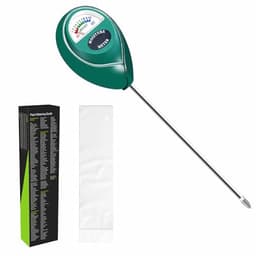
The entire monstera droop triage turns on wet versus dry soil, and the surface dries long before the root zone where the thick roots sit. A probe reads moisture down deep, so you can tell a thirsty plant (dry — water it) from a rotting one (wet — stop) without guessing or unpotting it first.
$10-$15 · Best for Telling a thirsty monstera from a rotting one
Check price on Amazon →Treatment information on PlantFix is educational. When using any pesticide — including organic options like neem oil or insecticidal soap — read and follow the entire product label; the label is the law. For persistent or high-stakes problems, your local university extension service offers free, region-specific advice. Read about how we source and verify treatment guidance in our Editorial Standards.
FAQ
Why is my monstera drooping?▼
Most often it's thirsty — dry, light soil and soft (not mushy) leaves that perk back up within a day of a good soak. The important exception is drooping on wet soil with soft petioles, which means overwatering and root rot. And a mature monstera with healthy leaves that simply lean and splay usually needs a moss pole to climb, not more water. Check the soil moisture first to tell which.
Will a drooping monstera recover?▼
Usually, yes. A monstera drooping from thirst stands back up within about a day of a thorough watering once its cells regain water pressure. Recovery is slower and less certain if the cause is root rot — there you have to unpot it, cut away the mushy roots, and repot into fresh well-draining mix before it can rebuild. Drooping from lack of support fixes the moment you stake it.
Does a monstera need a moss pole to stop drooping?▼
Often, yes. A monstera is a climbing plant, and NC State Extension notes that sturdy support is necessary to keep its stems from breaking. A maturing monstera grown with nothing to climb gets top-heavy and splays outward, which reads as drooping even when watering and roots are fine. A moss pole or stake holds it upright — and climbing also encourages bigger, more fenestrated leaves.
Should I cut off drooping monstera leaves?▼
No — not unless a leaf is actually dead or badly damaged. Drooping is a posture problem, not leaf damage, so once you fix the cause (water, support, or stopping overwatering) the leaves usually firm back up on their own. Only remove leaves that have gone fully yellow or brown and won't recover.
Related
- Monstera Root Rot: How to Save It (the Node Is Your Insurance) →
- Monstera Yellow Leaves: 7 Causes and the Fix for Each →
- Why Are My Monstera Leaves Curling? (And How to Fix It) →
- Transplant Shock: Shock vs. Damage and the Recovery Timeline →
- How to Fix an Overwatered Plant (Root Rot Rescue) →
- Plant Grow Lights: Do You Need One, and Which Kind? →
- Why Is My Plant Dying? Start With the Alive-or-Dead Check →
Plants Commonly Affected
Not sure what's wrong?
Use the diagnosis tool →Get seasonal plant care reminders and pest alerts.