Fiddle Leaf Fig Yellow Leaves: It's the Watering, Both Ways
A yellowing fiddle leaf fig is almost always a watering problem — and the catch is that too much and too little both do it. Read where the yellow starts and whether the soil is wet or dry to tell which.
8 min read · Updated 2026-11-27
By PlantFix Editorial Team · Sources: University Extension Programs, USDA, EPA
Yellowing Fiddle Leaf? It's Almost Always the Watering
When a fiddle leaf fig yellows, start with the watering — it's the cause behind the large majority of yellow FLF leaves. The frustrating part, and the reason people chase their tails fixing it, is that both overwatering and underwatering turn the leaves yellow. NC State Extension puts it plainly for Ficus lyrata: "Leaf drop may occur from too much or too little water," and the yellowing that precedes that drop runs the same way. So the goal isn't to water more or less on instinct — it's to figure out which direction you've erred, then settle into a routine the plant can count on.
Two quick reads sort most cases. Feel the soil two inches down: damp when you think it should be drying points to overwatering; bone-dry and pulled away from the pot's sides points to underwatering. And look at where the yellow starts — the bottom, oldest leaves, or higher up and widespread. The next section turns those two reads into an answer; the cause sections follow in the order they're actually to blame. A yellow fiddle leaf won't turn green again, so what you're really protecting is the next leaf. If you'd rather a photo make the call, the plant diagnosis tool reads the pattern for you.
Where the Yellowing Starts Narrows It Down
Fiddle leaf figs grow as a tall single stem, so the position of the yellowing is a real clue. One or two of the lowest, oldest leaves yellowing slowly while the top stays green is often just aging or a mild watering drift — the plant shedding its oldest foliage, not an emergency. Several leaves yellowing at once, especially moving up the plant or hitting newer leaves, with leaves also dropping, means something is actively wrong and it's time to work the causes below.
Pair that with the soil read and you've usually got your answer before you touch anything: yellowing on damp soil is the overwatering/root-rot track; yellowing on dry, shrunken soil is the underwatering track; yellowing right after you moved or repotted it is shock. Fiddle leaf figs are famously touchy about change, so timing matters as much as the pattern — if nothing was wrong until you relocated the plant, that's your lead.
Yellow on Damp Soil: Overwatering and Root Rot
This is the version to take seriously. If leaves are yellowing while the soil is still damp a couple of inches down, the roots are staying too wet and starting to rot — and NC State notes fiddle leaf figs "are sensitive to overwatering." Soggy soil suffocates the roots; they rot, stop moving water and nutrients up the plant, and the leaves yellow and drop as a result. The cruel irony is that a plant with rotting roots can look like it needs water even as it drowns.
The University of Maryland Extension describes rotted roots as "brown to black and soft or mushy," and warns an affected plant "will wilt even when adequate moisture is present in the potting media." So if the soil is wet and leaves are yellowing, don't add water — slide the plant out and check the roots. Firm and pale is fine; brown and mushy is rot. If you find it, our root rot guide walks the trim-and-repot rescue, and because the first sign of FLF overwatering is often dark spots rather than yellowing, our fiddle leaf fig brown spots guide covers that overlap. Ease watering back hard in winter, when the plant uses far less and wet soil lingers for days.
Yellow on Dry Soil: Erratic or Too-Little Watering
The other half of NC State's "too much or too little" is just as common with this plant, because the fiddle leaf fig punishes an inconsistent schedule more than almost any houseplant. If the soil is bone-dry, the pot feels light, and the mix has shrunk away from the sides, the plant has been running too dry — and when water finally comes in erratic bursts, older leaves yellow and drop while the plant triages its water to the growing tip.
The fix is consistency, not a flood. Water thoroughly until it runs from the drainage holes, then let the top two inches dry before the next drink — and water on a rhythm the plant can predict rather than whenever you remember. Many successful FLF owners water the same day each week and adjust the amount by season. If the rootball has gone water-repellent and water races straight through, bottom-water the pot in a few inches of water for 20–30 minutes to rewet it evenly, then drain. A fiddle leaf fig that's been yo-yoing between drought and deluge calms down once the schedule steadies.
Low Light, Cold Drafts, and the Spot It Hates to Leave
If the watering genuinely checks out, look at the plant's environment — and at whether you recently changed it. Fiddle leaf figs want a lot of light: NC State says the plant "prefers bright indirect light or partial shade," and a FLF stuck in a dim corner slowly yellows and sheds lower leaves for lack of energy. Move it to the brightest indirect spot you have — near a south or west window, just out of harsh direct midday sun.
Two more environmental triggers matter in the cold months. This is a warmth-loving plant that NC State says "performs best in medium relative humidity with a temperature greater than 55 degrees F," so a cold draft off a winter windowpane, an exterior door, or a heating vent can yellow and drop leaves. And the fiddle leaf fig is notorious for resenting being moved: relocate it, repot it, or even rotate it into a new light level and it may yellow and drop leaves in protest for a week or two. The move with a sulking, recently-disturbed FLF is to pick a good bright spot and leave it there — our transplant shock guide covers the settling-in window.
Build the Routine That Stops the Next Yellow Leaf
Because a yellowed leaf never recovers, the whole job is protecting the leaves still green — and with a fiddle leaf fig that comes down to a routine, not a rescue. Put it together:
Damp soil + yellowing → overwatering; stop and check the roots.
Dry, shrunken soil + yellowing older leaves → too little or erratic water; soak thoroughly and get on a weekly rhythm.
Dim spot → move it to bright indirect light.
Yellowing right after a move, repot, or a cold snap → shock; settle it in one warm, bright, draft-free spot and stop fiddling.
Then hold that spot and that schedule. More than any trick, a fiddle leaf fig rewards a consistent watering day, a stable bright location, and being left alone between waterings. One note for pet owners: NC State lists Ficus lyrata as "toxic to humans, cats, and dogs if ingested," and the milky sap can irritate skin, so keep trimmed leaves away from pets. If you can't tell whether yours is drowning or parched, upload a photo to the diagnosis tool and it'll name the most likely cause before you change the watering.
Recommended Products
We earn a commission if you buy through these links, at no extra cost to you. We recommend based on what works, not what pays. How this works.
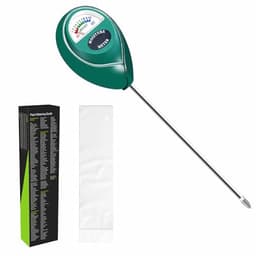
The whole fiddle leaf fig yellow-leaf diagnosis turns on whether the root zone is wet or dry, and the surface misleads you. A probe reads moisture two inches down where it matters, so you can tell an overwatered FLF (wet — stop) from an underwatered one (dry — soak it) and water on a consistent read instead of guessing.
$10-$15 · Best for Telling an overwatered fiddle leaf fig from a thirsty one
Check price on Amazon →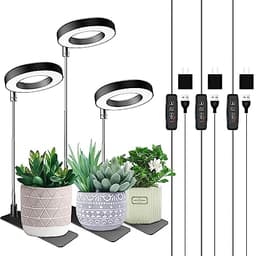
Fiddle leaf figs need bright indirect light and yellow-shed lower leaves in a dim room. In a dark spot or through a low-light winter, a full-spectrum LED grow light gives the plant the energy it needs to hold its leaves, without the scorch risk of unfiltered direct sun.
$25-$50 · Best for A fiddle leaf fig yellowing in a dim room or dark winter
Check price on Amazon →Treatment information on PlantFix is educational. When using any pesticide — including organic options like neem oil or insecticidal soap — read and follow the entire product label; the label is the law. For persistent or high-stakes problems, your local university extension service offers free, region-specific advice. Read about how we source and verify treatment guidance in our Editorial Standards.
FAQ
Why are my fiddle leaf fig leaves turning yellow?▼
Almost always a watering issue, and NC State Extension notes leaf problems occur from too much or too little water. Check the soil: yellowing on damp soil means overwatering and likely root rot, so stop and check the roots; yellowing on bone-dry, shrunken soil means the plant has been running too dry or on an erratic schedule. Low light, cold drafts, and recent moves are the next most common triggers.
Will yellow fiddle leaf fig leaves turn green again?▼
No. Once a fiddle leaf fig leaf yellows it won't turn back green, so there's no point waiting on it. Find and fix the cause — usually a watering imbalance — so that new leaves stay healthy, and remove the fully yellow leaf for appearance once the plant has stabilized.
Should I remove yellow leaves from my fiddle leaf fig?▼
Only once they're fully yellow or dropping, and only after you've addressed the cause. A fully yellowed leaf won't recover and can be pinched off at the base. But don't strip leaves that are only partly yellow while you're still diagnosing — the plant is still drawing some energy from them, and over-pruning a stressed FLF adds to the shock it's already reacting to.
Do fiddle leaf figs drop leaves when yellow?▼
Yes — yellowing and leaf drop go together on this plant, and NC State notes leaf drop comes from too much or too little water. A fiddle leaf fig sheds yellowing leaves (usually the lower, older ones first) when it's overwatered, underwatered, under-lit, or shocked by a move or cold draft. Fixing the underlying cause and holding a consistent routine is what stops the drop.
Related
- Fiddle Leaf Fig Brown Spots: 5 Causes and How to Fix Each →
- Yellow Leaves on Plants: Every Cause & How to Fix It →
- How to Fix an Overwatered Plant (Root Rot Rescue) →
- Transplant Shock: Shock vs. Damage and the Recovery Timeline →
- Plant Grow Lights: Do You Need One, and Which Kind? →
- Why Is My Plant Dying? Start With the Alive-or-Dead Check →
Plants Commonly Affected
Not sure what's wrong?
Use the diagnosis tool →Get seasonal plant care reminders and pest alerts.