Soil Moisture Meter: What It Tells You, What It Doesn't
A cheap soil moisture meter gives a useful relative wet-vs-dry read, not a precise number. Here's how to read one correctly — and when your finger is enough.
7 min read · Updated 2026-11-06
By PlantFix Editorial Team · Sources: University Extension Programs, USDA, EPA
What a Cheap Moisture Meter Actually Measures
A cheap soil moisture meter gives you a useful relative read — wetter here, drier there, dry enough to water or not — but it is not a calibrated instrument, and the number on the dial is not a lab measurement. Illinois Extension puts it plainly: "A water meter probe can be useful, but may not always be reliable." Read it that way and it earns its place; treat the 1–10 dial as gospel and it will eventually fool you.
Here's why it's worth owning anyway. The job a moisture meter is really for is stopping overwatering — and that matters because overwatering is the single most common way houseplants die. UConn Extension is blunt about it: "improper watering is the main cause of houseplant demise." Most of that is people watering on a schedule, or watering a droopy plant that was already too wet. A meter — or a finger — breaks that habit by telling you what the soil is actually doing before you pour.
One guardrail before you read on: if your plant is already sitting in soggy soil, wilting, or smelling sour, you're past the prevention stage and into a rescue. Don't shop for a meter — read our root rot guide and check the roots today. This page is about not getting there in the first place.
How to Read One Without Being Fooled
A meter only tells the truth if you use it right, and most bad readings come from using it wrong:
Push it to the root zone, not the surface. The top of the pot dries out first and fastest, so a probe shoved an inch in reads "dry" while the root ball two or three inches down is still soaked — which is exactly the water that rots roots. Sink the probe most of the way down toward the bottom third of the pot, where the roots actually live.
Check more than one spot. Soil moisture isn't even across a pot, especially a big one. Take two or three readings around the plant and go by the wettest — if any part of the root zone is still wet, the plant doesn't need water yet.
Give it a few seconds to settle. The needle drifts for a moment after you insert it; wait for it to stop before you read.
Keep the probe clean and dry between uses. Wipe it off and put it away — don't store it jammed in a pot. A crusted or corroded probe reads erratically.
For reference, the by-hand version extension horticulturists recommend works at the same depth: UConn says to "stick your finger into the potting mix and feel for moisture about an inch below the surface," and Illinois goes a little deeper — "test the soil with your finger to a depth of two inches." A meter just lets you reach past a fingertip into a tall pot.
Meter vs. Your Finger — and When a Meter Earns Its Keep
For most plants in most pots, you don't need a meter at all — your finger is free, always with you, and the method extension horticulturists actually lead with. Illinois calls it the best option: "The best method for determining when to water is to test the soil with your finger to a depth of two inches." If your finger comes out with damp mix clinging to it, wait. If it's dry down there, water. That alone prevents most overwatering.
So when does a meter earn its keep? Three honest cases:
- Deep or large pots — a floor pot or a big specimen where your finger can't reach the root zone. A long probe reads where your hand can't.
- Dense, mature plants you can't get a hand into without snapping stems.
- Chronic overwaterers — some people just can't leave a plant alone, and a dial that says "wet" is a useful external brake on the watering-can reflex.
If that's you, get the cheap analog kind — the no-battery probe — and treat it as a wet/dry gauge. You'll find our problem-first picks grouped on the gear hub alongside the airy, fast-draining mix that's the other half of overwatering prevention. Still not sure whether your plant is thirsty or drowning? That's the exact call a photo settles — send one through the plant diagnosis tool before you water.
How Wet Is "Right" Depends on the Plant
"Water when it reads dry" means different things to different plants, because the right amount of dry depends on what the plant evolved to handle. Rough guide:
| Plant type | Water when the meter reads… | Why |
|---|---|---|
| Succulents, cactus, snake plant, ZZ plant | Dry — let it hit the dry end of the dial | Built for drought; they rot if kept damp |
| Most tropical foliage (pothos, philodendron, monstera) | At the dry-to-moist boundary | Want a drink as the root zone nears dry, not while it's wet |
| Moisture-lovers (ferns, calathea, peace lily) | As soon as it leaves "moist" — never bone dry | Resent drying out fully, but still rot if waterlogged |
The one rule that holds for every plant: never water while the meter still reads wet. When soil stays saturated the roots can't breathe — UConn explains that waterlogged mix "displaces necessary oxygen, resulting in root death." A dead root can't drink, so an overwatered plant wilts and looks thirsty, which is how the cycle keeps going. If your meter reads wet and the plant is drooping anyway, that's your cue to stop watering and check the roots — our wilting plant guide walks the dry-vs-wet call — not to add more water.
Where Moisture Meters Mislead You
Even used correctly, a cheap meter has blind spots worth knowing, because this is where people get burned trusting the dial:
One reading is a snapshot, not a verdict. A probe that reads "moist" in one corner can sit next to a bone-dry pocket. Take a couple of readings and, when it's close, confirm by feel.
Salt buildup skews it. Fertilizer and hard water leave dissolved salts in potting mix over time — Colorado State notes the white crust some soils develop is "a buildup of soluble salts" — and those salts can nudge a conductivity-based meter toward reading wetter than the soil really is. One more reason not to live and die by a single number.
Don't leave it in the pot. A probe left permanently in wet soil corrodes, and a corroded probe drifts. Read it, then pull it out and wipe it down.
Be skeptical of the 3-in-1 and 4-in-1 units. The combo meters that promise moisture plus pH plus light for a few dollars spread themselves thin — the moisture function is usually the only part worth trusting, and the pH reading in particular is rarely accurate enough to act on. If all you want is a wet/dry read, a single-function probe does that job better and cheaper.
Use it as what it is — a quick, relative check that keeps you from watering on autopilot — and a $12 probe pays for itself the first time it stops you drowning a plant.
Recommended Products
We earn a commission if you buy through these links, at no extra cost to you. We recommend based on what works, not what pays. How this works.
The cheap no-battery probe that covers most of what anyone needs: push it to the root zone for a relative wet-vs-dry read, then pull it out. A single-function moisture meter beats the 3-in-1 combo units, which spread themselves thin and rarely get pH right.
$10-$18 · Best for A clear wet/dry signal before you water
A longer probe for deep floor pots and large specimens, where a short probe only reads the dry top inch. The right pick for snake plants, ZZ plants, and anything in a 10-inch-plus container.
$12-$20 · Best for Deep pots and large plants your finger can't reach
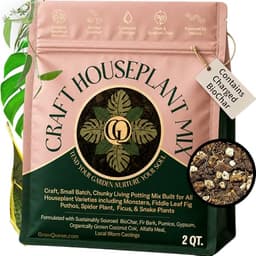
The other half of overwatering prevention — an airy mix that drains instead of staying soggy, so a heavy hand with the watering can doesn't rot the roots. Repot dense, water-holding soil into this.
$8-$16 · Best for Fixing soil that stays wet for days
Check price on Amazon →Treatment information on PlantFix is educational. When using any pesticide — including organic options like neem oil or insecticidal soap — read and follow the entire product label; the label is the law. For persistent or high-stakes problems, your local university extension service offers free, region-specific advice. Read about how we source and verify treatment guidance in our Editorial Standards.
FAQ
Are soil moisture meters accurate?▼
They give a useful relative wet-vs-dry read, not a precise measurement. Illinois Extension says a water meter probe "can be useful, but may not always be reliable." Treat the dial as a rough gauge — dry enough to water or not — confirm by feel when it's close, and don't act on the pH or light numbers on cheap combo units.
Can I leave a moisture meter in the soil?▼
No — read it and pull it out. A probe left in wet soil corrodes, and a corroded probe gives erratic, drifting readings. Wipe it clean and store it dry between uses. The point is to spot-check before you water, not to monitor the pot continuously.
Is a moisture meter better than the finger test?▼
For most plants, no. Illinois Extension calls testing the soil with your finger to a depth of two inches the best method, and it's free. A meter earns its place in deep floor pots, large plants you can't reach into, and for chronic overwaterers who want an external signal before watering.
How deep should I push the probe?▼
Most of the way down, toward the bottom third of the pot where the roots are — not just the surface, which dries first and reads dry while the root zone is still soaked. Take a couple of readings around the pot and go by the wettest spot; if any of the root zone is still wet, wait.
Related
- How to Fix an Overwatered Plant (Root Rot Rescue) →
- Wilting Plant? The Soil Check That Tells Dry From Wet →
- White Mold on Plant Soil: Harmless, but a Wet-Soil Warning →
- Why Is My Plant Dying? Start With the Alive-or-Dead Check →
- Snake Plant Root Rot: How to Save It (Rhizome Check First) →
- Humidifier for Plants: Do Yours Actually Need One? →
Not sure what's wrong?
Use the diagnosis tool →Get seasonal plant care reminders and pest alerts.