Rubber Plant Dropping Leaves: Shock, Rot, or Underwatering
Rubber plant leaves falling off? Ficus drop leaves in response to change — a move, a cold draft, winter heat. Sudden drop is usually shock; a slow trickle from wet soil is root rot.
8 min read · Updated 2026-10-28
By PlantFix Editorial Team · Sources: University Extension Programs, USDA, EPA
First Question: Did Anything Change Recently?
Before you reach for a watering can or a bottle of anything, ask what changed in the last two or three weeks. Rubber plants (Ficus elastica) drop leaves as a stress reaction to change far more readily than most houseplants — a move across the room, a repot, a cold draft from an opening door, the day you turned the heat on. NC State Extension puts it plainly: the rubber plant "prefers to remain in one location and do not do well with drafts or cold temperatures," and notes that "overwatering can cause loss of leaves as can temperature drops or cold drafts. It is normal for some bottom leaves to turn yellow and drop."
That recency question sorts most cases fast. Several leaves let go within days of a move, repot, or cold snap, and the rest of the plant looks firm and green — that's shock, and it usually passes on its own if you leave the plant alone. A slow, steady drop of the lowest leaves while the soil stays wet is the one to worry about: that's overwatering heading toward root rot. The rest of this guide splits those apart. If you'd rather confirm from a photo, our plant diagnosis tool reads leaf-drop patterns in a few taps.
Sudden Drop vs. Slow Trickle (what the pattern tells you)
Leaf drop isn't one problem — it's four or five, and the pattern of the drop plus the state of the soil tells you which.
| Pattern | Most likely cause | First move |
|---|---|---|
| Several leaves dropped fast after a move, repot, or cold draft; rest of the plant firm | Environmental shock | Hold everything steady; do not overwater |
| Slow drop of the lowest leaves, soil stays wet for days, maybe yellowing first | Overwatering / root rot | Check the roots |
| Lower leaves yellow then drop, soil bone-dry, pot feels light, dry indoor air | Underwatering / low winter humidity | Deep soak, then raise humidity |
| Leaf drop with fine webbing or pale stippling under the leaves | Spider mites | Isolate and treat |
| One or two of the oldest bottom leaves yellow and drop slowly over months | Natural aging | Nothing — this is normal |
Notice how often "wet soil" versus "dry soil" is the deciding clue. Rubber plant leaf drop gets blamed on watering mistakes in both directions, and they look similar from the leaves alone — so check the soil and the pot weight before you decide which way to correct.
If It's Shock: Do Less, Not More
This is the most common cause and the one people handle worst. The instinct when leaves start dropping is to do something — water more, feed it, move it to a "better" spot, repot it into fresh soil. With a shocked ficus, every one of those is a fresh shock on top of the first one.
A rubber plant that dropped several leaves after you moved it, repotted it, or let it catch a cold draft is reacting to the change, not dying. NC State's note that it "prefers to remain in one location" is the whole story here. The fix is patience: put it somewhere stable with good light, keep the temperature steady (NC State lists a floor of "greater than 55 degrees F" and warns the plant does not do well with drafts), water only when the top inch or two of soil is dry, and then stop fiddling with it. Don't repot a stressed plant, and don't fertilize one — pushing new growth it can't support just prolongs the stress. New leaves return once it settles in, usually over a few weeks.
If the Soil's Wet: Overwatering and Root Rot
A slow, steady drop of the lowest leaves while the soil stays soggy is the dangerous pattern. NC State explicitly lists overwatering as a cause of leaf loss, and overwatering that goes unchecked becomes root rot. The cruel part is that rot mimics thirst — University of Maryland Extension notes a rotting plant "will wilt even when adequate moisture is present in the potting media," so a droopy, dropping rubber plant in wet soil gets watered again and sinks faster.
Slide the plant out of its pot and look at the roots. UMD describes rotting roots as "brown to black and soft or mushy" against the firm, pale roots of a healthy plant. Cut away everything soft back to firm tissue, and repot into a well-draining, soil-based mix in a pot with a drainage hole — NC State calls for "good drainage" and warns against overwatering outright. If the rot is extensive, UMD's rule applies: "Throw away severely infected plants and only take stem cuttings from healthy tissue." Our root rot guide walks the rescue surgery, and the plant treatment plan covers the recovery weeks. Yellowing usually precedes the drop, so our yellow leaves guide helps you catch it a step earlier.
If the Soil's Dry: Thirst and Winter Heating
The opposite case — lower leaves yellowing and dropping with bone-dry soil and a pot that feels light — is underwatering, and it spikes in winter for a reason worth understanding. When the heat comes on, indoor air dries out and the days get short, and a rubber plant feels both at once: the soil dries faster and the plant's light drops. NC State lists the rubber plant's needs as "bright indirect light or partial shade", "medium relative humidity," and a temperature "greater than 55 degrees F", and specifically advises you to "reduce watering altogether when the plant is dormant (from fall to late winter)."
So the winter fix is a balance, not a flood: give it a thorough soak when the top inch or two of soil is dry, but water less often overall through the dormant months, and raise the humidity with a pebble tray or a small humidifier. Keep it off a hot air vent and away from cold window glass — both of those extremes drive leaf drop. (Worth knowing while you're handling it: NC State flags the rubber plant as a problem for cats, dogs, and horses, so keep dropped leaves swept up and away from curious pets.)
Leaf Drop Plus Fine Webbing? Check for Spider Mites
If the dropping leaves also show pale speckling or stippling on top and fine webbing underneath or in the leaf joints, you've got spider mites — and winter's dry, heated air is exactly when they explode indoors. They're easy to miss because they're tiny; the webbing and the dull, stippled look are the giveaways. Isolate the plant from your others and treat it before the mites spread. Our spider mites guide has the full knockdown-and-repeat protocol, and because this is a dry-air pest, bumping up humidity does double duty here.
How Many Leaves Is It Normal to Lose?
Here's the gauge to keep in your head, because not all leaf drop is a problem. NC State is clear that it's "normal for some bottom leaves to turn yellow and drop" as a rubber plant grows and puts its energy into new top growth. A single leaf letting go from the bottom now and then, while the top keeps pushing fresh glossy leaves, is just the plant trading up — nothing to fix.
Worry when the drop breaks that pattern: several leaves at once, leaves dropping from the top or from new growth rather than the base, or any drop paired with wet soil and a soft stem base. Those point to the shock, rot, or watering problems above rather than ordinary turnover. If yours is dropping and you genuinely can't tell shock from rot — the two most common causes, and the ones with opposite fixes — snap a photo of the plant and the soil surface and run it through our plant diagnosis tool before you decide which way to correct. Guessing wrong on this plant is how a shocked ficus gets drowned.
Recommended Products
We earn a commission if you buy through these links, at no extra cost to you. We recommend based on what works, not what pays. How this works.
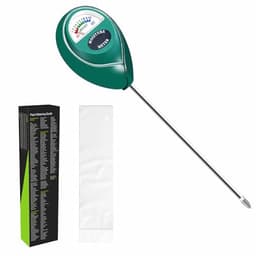
Because both too much and too little water drop rubber plant leaves, the fix is watering by evidence instead of by calendar. A meter pushed to the bottom of the pot tells you when it's genuinely dry down there — especially useful through winter, when the soil dries unevenly.
$10-$18 · Best for Settling the overwater-vs-underwater question before you act
Check price on Amazon →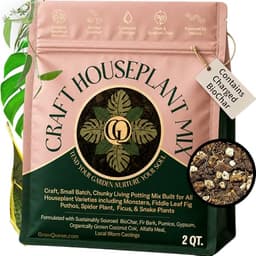
A soil-based mix with good drainage is what a rubber plant wants and what you repot into after cutting out root rot. If your current mix stays soggy for days, that slow drainage is the leaf-drop problem — repot into something airier in a pot with a drainage hole.
$8-$16 · Best for Repotting out of a dense, always-wet mix
Check price on Amazon →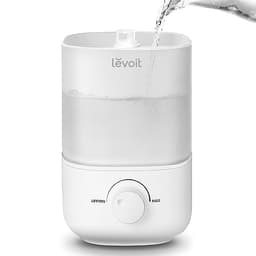
Rubber plants want medium humidity, and winter heating drives indoor air far below that — a leading cause of winter leaf drop and spider-mite flare-ups. A small humidifier (or a pebble tray) near the plant steadies the moisture it's losing to the furnace.
$25-$45 · Best for Winter leaf drop and dry-air spider mites
Check price on Amazon →Treatment information on PlantFix is educational. When using any pesticide — including organic options like neem oil or insecticidal soap — read and follow the entire product label; the label is the law. For persistent or high-stakes problems, your local university extension service offers free, region-specific advice. Read about how we source and verify treatment guidance in our Editorial Standards.
FAQ
Will my rubber plant grow its leaves back after dropping them?▼
Usually yes, if the cause was shock or a seasonal shift rather than root rot. A rubber plant that dropped leaves after a move, repot, or cold draft typically pushes new growth once it settles into a stable spot — give it steady light, warmth above 55°F, and consistent watering, and wait a few weeks without fiddling. It won't re-grow leaves on the old bare stems, though; new leaves come from the growing tips, so a leggy plant may need pruning to bush out.
Why is my rubber plant dropping leaves after I moved it?▼
Because ficus hate change. NC State Extension notes the rubber plant prefers to stay in one location and reacts badly to drafts and temperature swings, so relocating it — even within the same room — commonly triggers a round of leaf drop. This is shock, not disease. Put it in a stable spot with good indirect light, keep watering and temperature steady, and resist the urge to repot or fertilize it while it recovers.
Why are my rubber plant's bottom leaves falling off in winter?▼
Winter stacks two stresses on a rubber plant at once: heating dries the indoor air and the soil, while shorter days cut its light. Lower leaves yellow and drop as a result. NC State advises reducing watering from fall to late winter while the plant is dormant, so water less often but soak thoroughly when the top inch or two is dry, raise humidity with a pebble tray or humidifier, and keep the plant off hot vents and cold window glass.
How often should I water a rubber plant so it stops dropping leaves?▼
Water only when the top inch or two of soil is dry, not on a fixed schedule — both overwatering and underwatering cause leaf drop, so feeling the soil is what keeps you out of trouble. Rubber plants want good drainage and should never sit in soggy soil; NC State recommends cutting back watering further from fall to late winter when the plant is dormant. If the soil is staying wet for many days between waterings, the pot or mix drains too slowly and you're risking root rot.
Related
- Yellow Leaves on Plants: Every Cause & How to Fix It →
- How to Fix an Overwatered Plant (Root Rot Rescue) →
- Fiddle Leaf Fig Brown Spots: 5 Causes and How to Fix Each →
- Spider Mites: Identification, Treatment & Prevention Guide →
- Plant Leaves Turning Brown? Read the Location and the Texture →
- Wilting Plant? The Soil Check That Tells Dry From Wet →
- Houseplant Pests: Visual ID Guide to Every Bug on Your Indoor Plants →
Not sure what's wrong?
Use the diagnosis tool →Get seasonal plant care reminders and pest alerts.