Majesty Palm Dying: Check the Center First
Whether a mostly-brown majesty palm lives or dies comes down to one thing — is the central growing point still green and firm? Here's the save-or-toss verdict, and the recovery if it's worth it.
9 min read · Updated 2026-11-20
By PlantFix Editorial Team · Sources: University Extension Programs, USDA, EPA
Before Anything Else, Check the Center
If your majesty palm is mostly brown and you're wondering whether it's dead or saveable, the answer is in one place: the center of the crown. If the newest central growth — the spear and inner fronds — is still green and firm, a mostly-brown majesty palm can often be brought back. If that growing point is mushy and the spear pulls out with a tug, the palm is gone, and no amount of watering will change it. That one check settles it, so do it before you buy fertilizer, repot, or drown it in hope.
That's a harder, more honest verdict than the forum threads give you, and it comes down to palm biology — which the next section explains. A majesty palm (Ravenea rivularis) is a cheap big-box houseplant that declines indoors all the time, so a browning one is common and often half of it can be saved. But a palm doesn't recover the way a leafy houseplant does, and knowing the difference saves you weeks of nursing a plant that can't come back. If you can't tell from looking whether the center is still alive, a photo through the diagnosis tool helps read it.
The Growing-Point Test: Why Palms Are Different
Here's the biology the hopeful threads skip. A palm grows from a single central growing point — all its new fronds emerge from one spot at the top of the trunk. Clemson Extension is explicit about the consequence: "Because new growth occurs from a high central growing point, palms can not be pruned back to reduce their height." NC State likewise lists the majesty palm as a solitary, single-trunk plant (the 3-plants-in-one-pot clumps you buy are several seedlings crammed together, not one branching plant).
That single growing point is the whole plant's future, and it's why you can't cut a collapsed majesty palm down to a stump and wait for it to resprout the way a pothos, jade, or dracaena would — there's no node along the trunk to push new growth from. So run the test:
Spear firm, inner fronds green and standing → the growing point is alive and the palm is recoverable. Center of the crown soft and mushy, the spear slides out when you tug it gently, maybe a sour smell → the growing point has rotted, and the palm is dead even if a few outer fronds are still green. Those outer fronds are living off stored energy; without a growing point there's nothing to replace them.
If It's Saveable, Find What's Killing It
A living growing point means you've got a palm worth rescuing — now find the cause, because fixing the wrong one wastes the window you have. On a majesty palm it's nearly always one of two watering extremes, and they look alike but need opposite responses.
Soggy soil, a soft base, browning spreading up from the bottom → overwatering and root rot. This is the deadlier one and the most common, because the palm wants steady moisture (NC State notes overwatering still "can cause root rot") and people keep pouring. Stop watering, and if you unpot it and the roots are "brown to black and soft or mushy," treat it as rot — our root rot guide walks the unpot-trim-repot rescue. Note the trap the University of Maryland flags: a root-rotted palm "will wilt even when adequate moisture is present," so it looks thirsty while it's drowning.
Bone-dry pot, crispy brown frond tips, fronds flopping → the opposite problem, chronic dry-out and dry air. This riverbank plant dries and browns fast, and heating season makes it worse. Rather than repeat the whole dry-versus-wet moisture fork here, our companion majesty palm drooping guide walks the soil-check and the rehydration steps in detail — this page's job is the save-or-toss verdict, that one's is the watering diagnosis.
The Recovery: Slow and Steady Wins
Once you've pinned the cause and the growing point is alive, the recovery is mostly patience. Work through it in order:
- Trim only the fully dead fronds. Cut off fronds that are entirely brown and crispy; leave anything with green on it, because the palm is still drawing energy from partly-green fronds. Don't scalp it bare — over-pruning a struggling palm removes the fuel it needs to recover.
- Fix the watering. Aim for evenly moist soil, never soggy and never bone-dry. Clemson's rule for indoor palms is that they should "never be allowed to dry out or allowed to stand in water." Empty the saucer every time.
- Stabilize light and humidity. Bright, indirect light — NC State warns to "avoid direct sunlight that can scorch the leaves" — and raise humidity above 50% to stop more tip browning; Clemson suggests a gravel-filled saucer tray or a room humidifier, and "avoid cold drafts or direct heat."
- Wait. Palms are slow. A stressed majesty palm can take weeks to push a new spear, and new growth appears at the center, not on the old fronds. Hold off on fertilizer until you see fresh growth — feeding a stressed, barely-rooted palm just builds up salts that brown the tips further.
For a paced, week-by-week version of this recovery so you don't overwater it right back into rot, hand the schedule to our treatment plan.
When to Let It Go
Part of rescuing plants is knowing when there's nothing left to rescue, and with a palm that line is clear. A collapsed, mushy crown with the spear pulling free and no firm green at the center is dead — there's no growing point to regrow from, so watering, feeding, and repotting all do nothing. The University of Maryland's blunt rule for severe root rot applies: "throw away severely infected plants," and unlike a pothos or dracaena there's no healthy cutting to take, because a palm can't be propagated from a trunk section.
So the honest decision rule: firm green center → worth your weeks of patience; mushy brown center → compost it and start fresh, without guilt. A majesty palm is inexpensive and often sold three seedlings to a pot in conditions that doom it indoors, so letting a truly-gone one go isn't failure. One reassurance while you make the call — and a relief given how many holiday-season plants aren't — the majesty palm is non-toxic to cats, dogs, and horses per the ASPCA, so a chewed or dropped frond is no emergency. If you're genuinely unsure whether the center is alive, run a photo through the diagnosis tool before you give up on it.
Recommended Products
We earn a commission if you buy through these links, at no extra cost to you. We recommend based on what works, not what pays. How this works.
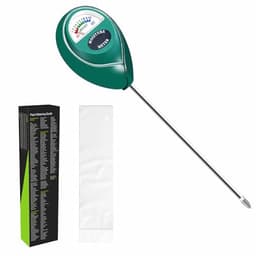
The save-or-toss call and the recovery both turn on wet versus dry, and that's easy to misjudge in a big, deep palm pot where the surface dries long before the root zone. A probe reads moisture down where the roots are so you can tell a rotting palm from a thirsty one and water on its schedule.
$10-$15 · Best for Telling a rotting palm from a thirsty one
Check price on Amazon →Majesty palms want humidity above 50% and brown at the tips in dry winter air. A small room humidifier near a recovering palm does what misting can't and keeps new fronds from crisping as they open.
$30-$60 · Best for Stopping brown tips during recovery and heating season
If you've confirmed rot and are repotting a palm worth saving, an airy mix with added perlite or bark drains fast so the trimmed roots stop sitting wet — the surest way to keep the rot from restarting.
$10-$18 · Best for Repotting a palm out of waterlogged soil
Treatment information on PlantFix is educational. When using any pesticide — including organic options like neem oil or insecticidal soap — read and follow the entire product label; the label is the law. For persistent or high-stakes problems, your local university extension service offers free, region-specific advice. Read about how we source and verify treatment guidance in our Editorial Standards.
FAQ
How do I know if my majesty palm is dead or can be saved?▼
Check the central growing point — the spear and newest inner fronds at the top of the crown. If that center is firm and green, the palm can usually be saved even if most outer fronds are brown. If the center is soft and mushy and the spear pulls out with a gentle tug, the growing point has rotted and the palm is dead. Because palms grow from a single central point, there's no way to regrow one once that center is gone.
Can a majesty palm grow back from the trunk if I cut it down?▼
No. Clemson Extension notes palms grow from a single high central growing point and cannot be pruned back to reduce their height — unlike a pothos or dracaena, there's no node along the trunk to push new growth from. If the crown and growing point are dead, cutting the palm back won't make it resprout. You can only trim off dead fronds while the central growing point is still alive.
Why is my majesty palm turning brown and dying?▼
Usually a watering extreme. Soggy soil with a soft base and browning from the bottom up is overwatering and root rot — the most common killer, and the palm keeps wilting even on wet soil. A bone-dry pot with crispy brown frond tips is chronic dry-out and dry air, which this riverbank plant does fast, especially in heated winter rooms. Check the soil and the crown to tell which, then fix the watering and raise humidity above 50%.
Are majesty palms toxic to cats and dogs?▼
No. The ASPCA lists the majesty palm (Ravenea rivularis) as non-toxic to cats, dogs, and horses, so a chewed or dropped frond isn't a poisoning risk — a genuine relief compared with many of the poinsettias, amaryllis, and lilies it shares the winter windowsill with.
Related
- Majesty Palm Drooping: Dry, Overwatered, or Dry Air? →
- How to Fix an Overwatered Plant (Root Rot Rescue) →
- Wilting Plant? The Soil Check That Tells Dry From Wet →
- Plant Leaves Turning Brown? Read the Location and the Texture →
- Humidifier for Plants: Do Yours Actually Need One? →
- Why Is My Plant Dying? Start With the Alive-or-Dead Check →
Not sure what's wrong?
Use the diagnosis tool →Get seasonal plant care reminders and pest alerts.