Majesty Palm Drooping: Dry, Overwatered, or Dry Air?
A drooping majesty palm is a watering problem — both ways. It rots in soggy soil and flops when bone-dry. Check the soil first, then fix the real cause.
9 min read · Updated 2026-11-13
By PlantFix Editorial Team · Sources: University Extension Programs, USDA, EPA
Check the Soil Before You Reach for the Watering Can
A drooping majesty palm is almost always a watering problem — but it cuts both ways, so push a finger into the soil before you do anything. This is a riverbank plant: NC State Extension notes the species name rivularis refers to its preferred habitat, "the edges of rivers and streams." That history is exactly why it confuses people — it genuinely wants more steady moisture than most houseplants, yet it still rots in soggy soil. Clemson's indoor-palm guidance captures the tightrope in one line: palms "need to be kept moist. They should never be allowed to dry out or allowed to stand in water."
So "water more" and "water less" can both be wrong, depending on which mistake you're actually making. The ten-second check decides it:
Soil bone-dry, rootball light, fronds flopping → thirst. Water it. Soil wet or soggy, base soft, maybe a sour smell → overwatered and rotting. Stop watering. Soil fine but the frond tips are crispy brown → that's dry air, not a watering fault at all.
The rest of this guide takes each of those down its own path — because the fix for a thirsty palm will kill a rotting one.
Bone-Dry and Flopping: the One Time to Water More
If the pot feels light, the soil is dry well below the surface, and the fronds have gone soft and collapsed outward, your palm is simply thirsty — and because of that riverbank ancestry it dries out and flops faster than a pothos or a snake plant would. NC State lists the plant's needs plainly as "consistent moisture," and Clemson's rule that a palm should "never be allowed to dry out" is the one most majesty-palm owners break — usually by watering a big, fast-draining pot too lightly.
Rehydrate it properly. Water slowly until it runs from the drainage holes, let it drain fully, and tip out the saucer. If the mix has pulled away from the sides of the pot and the water is just running straight through, the rootball has gone hydrophobic — set the whole pot in a few inches of water for 20–30 minutes so it can soak up from the bottom, then let it drain. From there, keep the soil evenly moist rather than letting it swing bone-dry and back. A palm caught at the thirsty stage usually firms up within a few days; the overwatered version in the next section is the one that costs you the plant.
Soggy Soil and a Mushy Base: Overwatering and Rot
Here's the trap: an overwatered majesty palm droops too, and it looks almost identical to a thirsty one — so people keep watering it, which is the worst thing they can do. If the soil is still damp or wet when the fronds flop, the problem is too much water, not too little. NC State is direct about where that leads: "Overwatering can cause root rot." Clemson's other half of the rule — never let a palm "stand in water" — is the line that gets ignored when a decorative pot or a full saucer keeps the roots sitting wet.
Stop watering immediately and empty any standing water. Then check the base and roots: firm, pale roots can recover once the soil dries out; brown, soft, falling-apart roots (often with a sour, swampy smell) are rotting. If you find rot, the rescue — unpot, trim the dead roots, repot into fresh fast-draining mix — is the same for a palm as for anything else, and our root rot guide walks those steps, so we won't repeat them here. Winter is when this happens most: in cool, low-light rooms the mix dries slowly, so the once-a-week pour that was fine in July now just sits and suffocates the roots.
Brown, Crispy Tips: That's Dry Air, Not Thirst
If the fronds themselves are green and upright but the tips have gone brown and papery, you're looking at a different problem — and reaching for the watering can won't touch it. Clemson is explicit that frond "browning of leaves can also be caused by dry air and/or lack of water," and recommends that indoors, "if the humidity level is below 50%, the pot saucer can be filled with gravel to increase the moisture level without rotting the plant roots." This palm asks a lot here — NC State notes it wants high humidity and "may be difficult to grow indoors" for exactly that reason. Heating season, when furnaces drop indoor humidity and vents blow hot dry air across the fronds, is the classic trigger.
The other common cause is mineral and fertilizer salt buildup. Clemson notes that "tips of lower leaves may turn brown and die from excessive fertilization" — so ease off the feeding and flush the pot every few months by watering heavily until it drains, which leaches accumulated salts out. Switching to distilled or filtered water helps if your tap water is hard. Trimming the brown tips off with scissors is purely cosmetic (and fine to do) — it doesn't fix the cause, so raise the humidity first. For how to actually move the humidity needle in winter, see our guide to humidifiers for plants; misting won't cut it for a plant this thirsty for moist air.
Yellowing Fronds: Old Age vs. a Real Problem
Yellowing is the least specific symptom, because NC State pins it on nearly everything: majesty-palm yellowing can come from "inadequate light, insufficient water, overwatering, lack of humidity or nutritional deficiencies." The pattern tells you which:
A few of the oldest, lowest fronds yellowing slowly is normal — a palm sheds its bottom fronds as it grows, and you can simply trim them off. Many fronds yellowing at once, especially on wet soil, loops back to overwatering — treat it as rot (above), not a feeding problem. A pale, stretched, thin palm reaching for a dark corner wants more light; NC State keeps it in bright, indirect light and warns to "avoid direct sunlight that can scorch the leaves," so move it toward a bright window without dropping it into harsh midday sun.
One worth ruling out in winter: fine yellow stippling or speckling on the fronds, rather than whole-frond yellowing, is often spider mites — dry heated air is their favorite condition and palms are a frequent target. If the "yellowing" is actually a sandy dusting of tiny spots, check for mites with our spider mites guide before you change anything about watering.
Is It Saveable? Where a Palm's Biology Draws the Line
This is the honest part the hopeful forum threads skip. A palm does not regrow the way a leafy houseplant does. Clemson spells out the biology: "because new growth occurs from a high central growing point, palms can not be pruned back to reduce their height." That single central growing point — the spear and the newest fronds emerging from the middle of the crown — is the whole plant's future. The practical consequence: you can't cut a collapsed majesty palm down to a stump and wait for it to resprout the way a pothos or a jade would, because there's no node along the trunk to push new growth from.
So the save-or-toss call comes down to that growing point:
Central spear firm, newest inner fronds green and standing → recoverable. Fix the watering or the humidity, give it a stable bright spot, and be patient — palms are slow, and a stressed one can take weeks to show new growth. Center of the crown mushy, the spear pulls out with a tug, sour smell → that growing point is gone, and the palm won't come back no matter how you water it.
Because dry-vs-wet-vs-dry-air is genuinely hard to call from a description but obvious in a photo, run yours through the diagnosis tool to confirm the cause before you commit to a fix — and if it turns out to be rot, start the recovery with a proper treatment plan. One reassurance while you work on it: unlike many holiday-season houseplants, the majesty palm is non-toxic to cats, dogs, and horses per the ASPCA, so a nibbled frond isn't an emergency.
Recommended Products
We earn a commission if you buy through these links, at no extra cost to you. We recommend based on what works, not what pays. How this works.
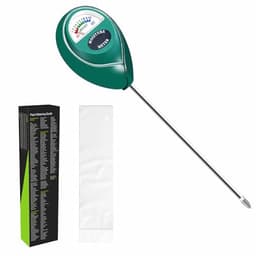
The whole majesty-palm triage hinges on dry vs. wet, and that's easy to misjudge in a big, deep pot where the surface dries long before the root zone. A probe reads moisture down where the roots are so you water on the plant's schedule instead of guessing.
$10-$15 · Best for Telling a thirsty palm from a rotting one
Check price on Amazon →Majesty palms want humidity above 50% and brown at the tips in dry winter air — the single hardest thing to give them indoors. A small room humidifier near the plant does what misting can't, and keeps new fronds from crisping as they open.
$30-$60 · Best for Stopping brown tips during heating season
The palm wants consistent moisture without standing water, and a mix with added perlite or bark hits that balance — holding moisture while letting excess drain so the roots never sit wet. Repotting a palm out of dense, water-logged soil is the surest way to stop recurring rot.
$10-$18 · Best for Keeping a palm moist without rotting it
Treatment information on PlantFix is educational. When using any pesticide — including organic options like neem oil or insecticidal soap — read and follow the entire product label; the label is the law. For persistent or high-stakes problems, your local university extension service offers free, region-specific advice. Read about how we source and verify treatment guidance in our Editorial Standards.
FAQ
Why is my majesty palm drooping?▼
Almost always watering — but it goes both ways. If the soil is bone-dry and the pot feels light, the palm is thirsty and needs a thorough soak; this riverbank plant dries out and flops fast. If the soil is wet or soggy and the base feels soft, it's overwatered and rotting, and more water will finish it off. Check the soil before you decide.
How do I fix brown tips on a majesty palm?▼
Brown, crispy frond tips are usually dry air, not thirst. Clemson notes browning from dry air and recommends raising humidity when it's below 50% — a pebble tray or a room humidifier, since misting doesn't last. Salt buildup from hard water or over-fertilizing also browns tips, so flush the pot occasionally and ease off feeding. Trimming the tips is cosmetic; fix the air first.
Can a majesty palm recover after drooping or overwatering?▼
It depends on the central growing point. If the spear and newest inner fronds are firm and green, fix the watering and wait — palms are slow but recover. If the center of the crown is mushy and the spear pulls out easily, that growing point is dead and the palm won't come back. Clemson notes palms grow from a single high central growing point, so — unlike a leafy plant — there's no node to resprout from once the crown is gone.
Are majesty palms toxic to cats and dogs?▼
No. The ASPCA lists the majesty palm (Ravenea rivularis) as non-toxic to cats, dogs, and horses, so a chewed or dropped frond isn't a poisoning risk — a genuine relief compared with many of the poinsettias, amaryllis, and lilies it shares the winter windowsill with.
Related
- Wilting Plant? The Soil Check That Tells Dry From Wet →
- Plant Leaves Turning Brown? Read the Location and the Texture →
- How to Fix an Overwatered Plant (Root Rot Rescue) →
- Humidifier for Plants: Do Yours Actually Need One? →
- Spider Mites: Identification, Treatment & Prevention Guide →
- Why Is My Plant Dying? Start With the Alive-or-Dead Check →
Not sure what's wrong?
Use the diagnosis tool →Get seasonal plant care reminders and pest alerts.