Jade Plant Dropping Leaves? Pinch One First
Jade plant dropping leaves? Pinch one: wrinkled means thirsty, mushy means rot, firm means shock. Here's the fix for each — and when to behead and restart.
9 min read · Updated 2026-11-11
By PlantFix Editorial Team · Sources: University Extension Programs, USDA, EPA
Pinch a Leaf Before You Reach for the Watering Can
A jade dropping leaves is almost always a watering problem — but it goes two opposite ways, so pinch a leaf before you do anything. A thirsty, underwatered jade goes wrinkled and leathery; the University of Connecticut's factsheet puts it simply: "if you are not giving the plant enough water, often it will begin losing leaves and may shrivel." An overwatered one goes the other way — leaves turn soft, squishy, and almost translucent and fall at a touch. And UConn is blunt about which mistake does the damage: "Overwatering is the biggest killer of houseplants, especially succulents like jade plants."
That matters because the instinctive response to a sad-looking plant — give it a drink — is exactly how most people kill a jade. If the real cause is rot, watering it is pouring fuel on the fire. So the first move is a ten-second check, not a watering:
Wrinkled / leathery / puckered → thirsty. Water it. Soft / mushy / translucent, dropping from the base → overwatered and rotting. Stop. Firm and plump but dropping after a move or cold snap → shock, not disease.
The rest of this guide takes each of those three down its own path.
Wrinkled, Puckered Leaves: Thirst (the One Time to Water More)
A jade stores its water supply in those fat leaves. When it runs low, the leaves draw down that reserve and go thin, wrinkled, and soft-but-not-mushy — and the plant starts shedding the oldest ones to cut its losses. The University of Wisconsin notes that for a jade, "drought can result in dwarfing, foliage spotting, leaf drop and death" if it drags on. This is the one scenario where reaching for the watering can is right.
Soak it properly. UConn's method is to "soak plants once a week or so and let them drain thoroughly so no water accumulates in the saucer," then wait until the top inch of soil feels dry before repeating. One good soak, and firm leaves should follow within a few days. A chronically thirsty jade usually bounces back — which is more than you can say for the overwatered version in the next section.
Soft, Mushy Leaves Falling From the Base: Stop Watering
If the dropping leaves are soft and squishy — and especially if they're falling from the bottom of the plant while the lower stem looks dark or feels mushy — this is overwatering, and the answer is to do less, not more. Wisconsin states the mechanism directly: "Overwatering will cause the leaves to drop and the stem to rot." NC State Extension agrees that for jade, "leaf fall and root rot can result from over watering."
Stop watering immediately. Slide the plant out of its pot and look at the roots and base: firm, pale, fibrous roots can recover once the soil dries; brown, soft, falling-apart roots are rotting. If you find rot, the rescue is the same as for any plant — our root rot guide covers the unpot, trim, and dry-out steps, and we won't restate them here.
Winter is when this happens most. Both NC State and UConn say to cut back in the cold months — "reduce watering from fall to late winter" — because a semi-dormant jade in cool, low-light conditions uses very little water, so the same December pour that was fine in July now sits in the soil and rots the roots.
Firm Leaves Dropping After a Move or Cold Draft: Shock
If the leaves coming off are still plump and firm — not wrinkled, not mushy — and it started right after you brought the plant home, repotted it, or set it near a cold window, you're probably looking at shock, not a watering fault. A jade reacts to abrupt change by dropping some leaves, then settling.
Cold is a common culprit. UConn keeps jade at "around 60 to 70°F during the day" with nights that "can drop into the 50s"; Wisconsin notes the plant "may even tolerate light frost but will be killed by freezing conditions." A leaf pressed against a freezing windowpane or a jade left out in a cold snap gets stressed well before it actually freezes. A sudden jump in light does it too — UConn warns not to "move plants from subdued lighting into a full sun situation" abruptly.
The fix here is to do nothing dramatic. Put it in one stable, bright, draft-free spot and leave it. Don't "help" by watering — a shocked jade with firm leaves doesn't need water, and adding it just stacks a rot risk on top of the stress.
Base Gone? Behead and Re-Root the Firm Top
Here's the move the "just repot it" advice skips. If the base and roots have rotted but the upper stems and leaves are still firm and green, you don't have to lose the plant — you restart it from the healthy top. Jade is, in Wisconsin's words, "especially easy to propagate from stem or leaf cuttings."
Cut above the rot, into clean firm tissue. Let the cut end callus over for a few days in open air — a skipped step that otherwise invites the same rot right back — then set it in dry, gritty succulent mix and hold off watering for a week or so while new roots form. Even the plump leaves that dropped can root if they came off cleanly: lay them on top of dry mix and wait.
Toss only when there's nothing firm left to save — if the whole plant has gone soft and translucent, the water damage is done. Otherwise, a rotted jade is one of the easiest houseplants to bring back from a single good cutting. If you want a second opinion on whether a stem is salvageable, use the diagnosis tool to confirm rot versus shock from a photo.
A Gritty Mix and a Dry-Side Winter Stop the Recurrence
Once it's stable, the whole game is drainage and restraint. Pot a jade in a "very well draining" cactus or succulent mix in a container with a drainage hole, water only when the top inch is dry, and then soak and drain fully rather than sipping. Through fall and winter, water less but don't let it go completely bone-dry. Give it bright light — Wisconsin's jade wants a sunny spot with four or more hours of direct sun — and ease it into stronger light rather than jumping it straight into a hot window.
One safety note worth flagging, since jade sheds leaves a pet might nibble: unlike the Christmas cactus, jade is toxic to cats and dogs per the ASPCA, which lists vomiting, depression, and incoordination as signs. Sweep up dropped leaves rather than leaving them on the floor. And if the leaves you're seeing have white spots or cottony fuzz rather than a color or texture change, that's a separate issue — see white spots on a jade plant.
Recommended Products
We earn a commission if you buy through these links, at no extra cost to you. We recommend based on what works, not what pays. How this works.
A gritty, fast-draining mix is the single biggest thing standing between a jade and root rot. Repot a jade that's sitting in dense, water-holding soil into this, and overwatering becomes much harder to do.
$8-$15 · Best for Repotting a jade out of soggy soil
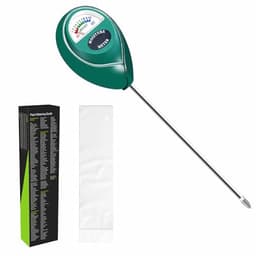
Jade wants the top inch dry before you water again, and that's easy to misjudge in a deep pot. A probe reads the root zone so you water on the plant's schedule instead of the calendar.
$10-$15 · Best for Knowing when a jade is actually dry
Check price on Amazon →Treatment information on PlantFix is educational. When using any pesticide — including organic options like neem oil or insecticidal soap — read and follow the entire product label; the label is the law. For persistent or high-stakes problems, your local university extension service offers free, region-specific advice. Read about how we source and verify treatment guidance in our Editorial Standards.
FAQ
Should I water a jade plant that's dropping leaves?▼
Only if the leaves are wrinkled and leathery and the soil is dry — that's thirst, and a thorough soak is the fix. If the dropping leaves are soft, mushy, and translucent, especially coming off the base, the plant is overwatered and more water will make it worse. Pinch a leaf and feel the soil before you decide; the two problems need opposite responses.
How many leaves is it normal for a jade to drop?▼
Shedding the occasional old lower leaf, especially in winter, is normal. What isn't normal is dropping many leaves over a short period or dropping them from several points at once — that signals overwatering, serious thirst, or a shock from a move, a cold draft, or a repot. Match the texture of the fallen leaves (wrinkled vs. mushy vs. firm) to the cause.
Can a jade plant recover after losing a lot of leaves?▼
Usually, yes. A jade that dropped leaves from thirst or shock typically recovers once you correct the watering or give it a stable spot. An overwatered, rotting jade is saved differently — by cutting above the rot and re-rooting the firm top, since jade propagates readily from stem and leaf cuttings. The plant to worry about is one that's gone soft and translucent all the way through.
Are jade plants toxic to pets?▼
Yes. The ASPCA lists jade plant (Crassula) as toxic to cats and dogs, with vomiting, depression, and incoordination among the signs. Because a dropping jade leaves fallen leaves around, sweep them up promptly and keep the plant out of reach of pets that chew on foliage.
Related
- Jade Plant White Spots: The 10-Second Wipe Test →
- How to Fix an Overwatered Plant (Root Rot Rescue) →
- Plant Leaves Turning Brown? Read the Location and the Texture →
- Wilting Plant? The Soil Check That Tells Dry From Wet →
- Yellow Leaves on Plants: Every Cause & How to Fix It →
- Aloe Vera Dying? Check the Base Before You Toss It →
- Why Is My Plant Dying? Start With the Alive-or-Dead Check →
Not sure what's wrong?
Use the diagnosis tool →Get seasonal plant care reminders and pest alerts.