Jade Plant White Spots: The 10-Second Wipe Test
White spots on a jade plant? Four different things cause them — mealybugs, powdery mildew, mineral crust, or edema. One wipe test tells them apart fast.
8 min read · Updated 2026-11-11
By PlantFix Editorial Team · Sources: University Extension Programs, USDA, EPA
The Wipe Test Sorts All Four in Ten Seconds
Four completely unrelated things look like white spots on a jade, and they need four different responses — so don't treat anything until you've run one quick test. Rub a spot with a fingertip or a damp cloth and watch what happens:
Smears off with cottony fuzz → mealybugs (a pest, and the most urgent of the four). Dusts off like flour → powdery mildew (fungal). Won't budge — a hard chalky crust → mineral salts (harmless). Doesn't rub off because it's a raised bump that's part of the leaf → edema (a watering tell, not a disease).
That single wipe separates a pest you must act on from a cosmetic nuisance you can ignore, so it's worth doing before you buy a spray you may not need. Because the four causes are obvious in a photo but easy to mix up in text, you can also use the diagnosis tool to confirm which one you're looking at. The rest of this guide takes each result in turn.
Smears Off With Cottony Fuzz: Mealybugs
If the "spots" are raised, fuzzy, white tufts — like little bits of cotton wedged into the leaf joints, along the stems, and on leaf undersides — those are mealybugs, and they're the one cause here you can't ignore. Jade is a classic host: NC State lists mealybugs among the plant's pests, and Wisconsin calls mealybugs "the most common insect pest" of jade. They're soft insects that wrap themselves in white wax, so they smear rather than brush off cleanly, and they leave a sticky residue (honeydew) on leaves below them.
For a light case, Wisconsin's fix is direct: the insects "can be wiped off with a cotton swab dipped in rubbing alcohol." Our rubbing alcohol method covers the dilution and how often to repeat, and the full mealybugs guide handles heavier infestations and the related soft-bodied pests you might be confusing them with.
Dusts Off Like Flour: Powdery Mildew
If the white isn't fuzzy tufts but a thin, even, powdery coating that rubs off like a dusting of flour — most often on the flat faces of the leaves — that's powdery mildew, a fungus rather than an insect. It's less common on thick-leaved jade than on soft-foliage houseplants, but it shows up in humid, crowded, poorly ventilated corners where air doesn't move.
The response is different from a pest: improve airflow, space the plant out, avoid wetting the leaves, and treat the fungus itself. Our powdery mildew guide covers what actually works — and, just as usefully, which folk remedies to skip.
A Hard Crust That Won't Budge: Mineral Salts
If the white won't wipe or dust off at all — a chalky, crusty film clinging to the soil surface, the pot rim, or dried onto leaf edges — it's almost certainly mineral salts, not anything alive. UC Agriculture and Natural Resources explains the mechanism: fertilizer dissolved in water "turns into a soluble salt," and "as water evaporates from the soil surface, some of the salts may form a layer on the soil surface." Hard water and over-fertilizing both feed it.
It's mostly cosmetic, but a heavy buildup isn't harmless forever — UC ANR notes excess salt can concentrate in the leaves and cause "tip burn." Scrape the crust off the soil surface, then leach the pot: "water the soil thoroughly ... then, after about five minutes, water again, letting excess water flow out the bottom drain holes." Switching to distilled or rainwater keeps it from coming back.
Raised Blisters on the Underside: Edema (the One Nobody Explains)
This is the cause almost no jade article mentions, and it's the most misread. If the "white spots" are actually raised, water-blistered bumps — mostly on the undersides of leaves — that later harden into tan or brown corky scabs, that's edema (also spelled oedema). It is not a pest and not an infection. UConn describes it as what overwatered jade does, listing it alongside root rot as a sign of too much water, with "blisters to form on the leaves that turn into corky brown spots."
Purdue Extension explains why it happens: it's a physiological disorder in which, after "overly dry conditions, followed by abundant moisture, the plant cells take on too much water too rapidly, causing them to burst," most often when soil is wet and the air is cool and humid. It's common on "jade, and other thick-leaved plants," and crucially the spots "do not spread" — so you can stop looking for a disease to treat.
The fix is a watering correction, not a spray: ease off the water, give it brighter light and better airflow, and avoid the dry-then-flooded swings that trigger it. Existing scars are permanent, but harmless — the leaf lives on. Treat edema as an early warning that your jade is getting too much water, and read it alongside the overwatering story in our jade dropping leaves guide before it turns into root rot.
So Now What? Match the Test to the Fix
Run the wipe once more and route from the result, rather than guessing:
Cottony, smears, sticky residue nearby → mealybugs → rubbing alcohol or the full mealybugs protocol.
Powdery, dusts off → powdery mildew: airflow and a targeted treatment.
Hard crust, won't move → mineral salts: scrape and leach, nothing to kill.
Raised bumps on the underside → edema: water less, and check the roots before it becomes rot.
If you're between two of these — mealybug wax versus powdery mildew is the usual tie — a photo settles it instantly. Run it through the diagnosis tool and you'll get a confident call before you spend money on the wrong bottle. For the same white-spot differential across other houseplants, see white spots on plant leaves.
Recommended Products
We earn a commission if you buy through these links, at no extra cost to you. We recommend based on what works, not what pays. How this works.
The extension-recommended fix for mealybugs on jade: dab each cottony cluster with a cotton swab dipped in rubbing alcohol. Cheap, effective on contact, and the first thing to reach for once the wipe test says pest, not fungus.
$3-$8 · Best for Spot-treating mealybugs on a jade
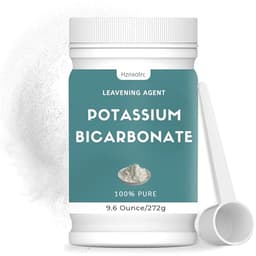
If the white dusts off like powder, it's powdery mildew, and a potassium bicarbonate spray treats the fungus without the folk-remedy guesswork. Pair it with better airflow around the plant.
$12-$20 · Best for Powdery mildew once you've ruled out mealybugs
Check price on Amazon →Edema and the overwatering behind it ease up fastest in fast-draining soil. Repotting a jade out of dense, water-holding mix removes the wet-roots condition that blisters the leaves in the first place.
$8-$15 · Best for Fixing the overwatering that drives edema
Treatment information on PlantFix is educational. When using any pesticide — including organic options like neem oil or insecticidal soap — read and follow the entire product label; the label is the law. For persistent or high-stakes problems, your local university extension service offers free, region-specific advice. Read about how we source and verify treatment guidance in our Editorial Standards.
FAQ
What are the white spots on my jade plant?▼
Four things cause white spots on jade, and one wipe test tells them apart. Cottony fuzz that smears is mealybugs; a powdery film that dusts off is powdery mildew; a hard crust that won't budge is mineral salts from hard water or fertilizer; and raised blisters on the leaf undersides that harden into corky scabs are edema, an overwatering response rather than a disease.
Is white fuzz on a jade plant mealybugs?▼
If it's cottony, clustered in the leaf joints and stems, and smears when you rub it — usually with a sticky residue nearby — then yes, that's mealybugs, the most common insect pest of jade. For a light infestation you can wipe each cluster with a cotton swab dipped in rubbing alcohol and repeat every few days until they're gone.
Why does my jade have white bumps on the underside of its leaves?▼
Raised, blister-like bumps on the undersides that harden into corky brown spots are edema, a physiological disorder caused by the plant taking up water faster than it can release it — typically from overwatering in cool, humid conditions. It isn't contagious and the scars are permanent but harmless. Treat it as a cue to water less, not as a disease to spray.
Will the white crust on my jade's soil hurt it?▼
A light crust of mineral salts on the soil or pot is mostly cosmetic, but a heavy buildup can concentrate in the leaves and cause tip burn over time. Scrape off the surface crust, then leach the pot by watering thoroughly, waiting about five minutes, and watering again so the excess drains out the bottom. Using distilled or rainwater prevents it from returning.
Related
- Jade Plant Dropping Leaves? Pinch One First →
- Mealy Bugs on Plants: How to Identify & Kill Them Fast →
- Kill Mealybugs With Rubbing Alcohol (on Contact, No Burn) →
- Powdery Mildew Treatment: What Works, Skip the Baking Soda →
- White Spots on Plant Leaves: 6 Causes and How to Fix Each →
- Scale Insects on Houseplants: How to Identify and Get Rid of Them →
Not sure what's wrong?
Use the diagnosis tool →Get seasonal plant care reminders and pest alerts.