Croton Dropping Leaves? Start With What Changed
A croton dropping leaves is almost always reacting to a recent change — a cold draft, a move, a repot — not slowly starving. Here's the trigger audit, the shock-vs-rot fork, and why the fix is usually to stop fussing with it.
8 min read · Updated 2026-11-25
By PlantFix Editorial Team · Sources: University Extension Programs, USDA, EPA
Start Here: What Changed in the Last Two Weeks?
If your croton is shedding leaves — sometimes alarmingly fast — the first thing to do is not water it, feed it, or move it. It's to figure out what changed recently, because a croton dropping leaves is nearly always reacting to a change in its environment, not slowly declining. University of Wisconsin Horticulture Extension says it plainly: "Changing environments too quickly can shock the plants and cause leaf drop." Crotons (Codiaeum variegatum, sometimes sold as Joseph's coat) are famous for this — they're the drama queens of the houseplant world about any sudden change.
So run the trigger audit. In the last couple of weeks, did any of these happen?
1. You just bought it or brought it home. The nursery-to-living-room jump — different light, humidity, and a cold car ride — is the single most common trigger.
2. You moved it. A new window, a different room, even turning the pot.
3. You repotted it. Fresh soil and disturbed roots are a shock on their own.
4. It's sitting near a cold draft. A single-pane window on a cold night, an exterior door that opens in winter, or the blast from a heating vent.
5. The temperature dropped. The first real cold snap of the season, or a room that gets chilly overnight.
If you can point to one of those, you've likely found your answer — and the fix is usually to stop changing things and let the plant settle, not to intervene harder. The rest of this guide explains why, and how to tell ordinary shock from the one cause that does need action. If you want a second read on whether the leaf drop is stress or something worse, our plant diagnosis tool reads it from a photo of the soil and the drop pattern.
Why Crotons Are So Dramatic About Cold and Drafts
Crotons are tropical plants being asked to live through a temperate winter, and they do not take sudden cold gracefully. Wisconsin Extension pins the range and the consequence together: "Croton does best at temperatures between 60 and 85 ºF, often suffering leaf drop if temperatures remain below 50 ºF," and the same page warns to "Protect them from drafts and severe fluctuations in temperature." NC State Extension draws the line at the same number, advising to "Bring the plants indoors when temperatures reach 50 degrees F."
Here's the part that trips people up: the thermostat on the wall can read a comfortable 68°F while the air right against a cold windowpane, or in the path of a door that keeps opening, is far colder. The plant feels that microclimate, not the room average. This is exactly why croton leaf drop spikes from late fall through the holidays — crotons sold as fall color plants get set on a windowsill or by a front door, the heating season starts, and the plant hits its first cold draft. It responds the only way it knows how: it drops leaves. The hot, dry updraft from a radiator or forced-air vent does the same thing from the opposite direction. The move is to get the plant away from both cold glass and heat sources and into stable, warm air.
The One Fork That Changes What You Do: Shock vs. Root Rot
Not every dropping croton is just stressed, and telling the two cases apart is the whole game — because they need opposite responses. Wisconsin notes that beyond cold, "Plants will drop leaves if they are too wet or too dry for extended periods," and the wet version is the dangerous one.
Sudden drop, firm stems, a recent cold/move/repot trigger, soil that isn't soggy → this is shock. The leaves let go fast, but the plant underneath is sound. The correct response is to do less: stabilize the spot, don't drown the "stressed" plant with extra water, and wait. Overwatering a shocked croton because it looks sad is the classic way to turn a recoverable plant into a rotting one.
Yellowing-then-dropping, soggy soil that won't dry out, a soft or mushy base → this is root rot, and it needs action, not patience. Slide the plant out of the pot and look: the University of Maryland Extension describes rotted roots as "brown to black and soft or mushy," and flags the trap that fools everyone — a root-rotted plant "will wilt even when adequate moisture is present in the potting media," so it looks thirsty while it's actually drowning. If that's what you find, don't reread the rot steps here — our root rot guide walks the unpot-trim-repot rescue. The rest of this page is about the far more common shock case.
The Recovery: Pick One Good Spot and Leave It Alone
Once you've ruled out rot, recovering a shocked croton is mostly a matter of giving it a stable home and resisting the urge to help. Work through it and then stop fiddling:
Light. Crotons need plenty of it to hold their color. Wisconsin says they "need bright, indirect light when grown indoors," and that "The leaves may revert to shades of green in insufficient light, while too much direct sun makes the leaves gray and dull looking." NC State adds that a croton "may lose lower leaves in too much shade." Bright, indirect light near an east or lightly-filtered south window is the target.
Water to the plant's real need, not on a schedule. Wisconsin says croton "has moderate water needs and should be watered only when the top half-inch to an inch of soil dries out." Water less in the dim, cool months — the plant is using far less than it did in summer, and soggy winter soil is how shock turns into rot.
Humidity. Crotons like it on the moist side — Wisconsin notes the plant "does best with moderate to high humidity and warm temperatures." Dry, heated winter air works against that, so group it with other plants, use a pebble tray, or run a small humidifier nearby; our guide to humidifiers for plants covers choosing and placing one so it actually moves the needle.
Then do nothing dramatic for three to four weeks. No repotting, no fertilizer, no shuffling it around. A croton that's settling needs a boring, stable environment more than it needs intervention. For a paced week-by-week version so you don't overwater it right back into trouble, hand the routine to our treatment plan.
How Many Leaves Is Normal to Lose — and When It's Actually Dying
A croton can drop a startling number of leaves and still be perfectly alive. The leaves you've lost are gone for good — new growth comes from the top of the stems, not from the bare spots where old leaves fell — but a stem that's still firm and green inside will re-leaf once the plant is comfortable. To check, lightly scratch a bit of bark off a stem with your fingernail: green and slightly moist underneath means that stem is alive, brown and dry means it's done. Work down from the top; the live tissue often starts lower than the bare branches suggest.
A croton is only truly gone when the stems scratch brown all the way down and the base is mushy — and if that's rot, the University of Maryland's blunt rule applies: "Throw away severely infected plants." Otherwise, be patient; a bare-but-firm croton pushes new leaves from its growing tips within a few weeks of settling in.
One safety note while you handle it: NC State lists croton as having low-severity poison characteristics — the milky sap can cause skin irritation, and eating the leaves causes "nausea, vomiting, diarrhea." Wash your hands after pruning and keep the dropped leaves away from curious pets and kids. Croton isn't the only plant that sheds leaves from a winter cold snap — if you're seeing the same drama on other plants, our guides on a poinsettia dropping leaves and a rubber plant losing leaves cover the same cold-shock story for those plants. And if you're genuinely unsure whether yours is shocked or rotting, upload a photo to the diagnosis tool before you give up on it.
Recommended Products
We earn a commission if you buy through these links, at no extra cost to you. We recommend based on what works, not what pays. How this works.
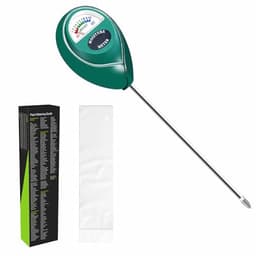
The whole shock-versus-rot call turns on whether the soil is wet or dry, and the surface dries long before the root zone. A probe reads moisture down where the roots are, so you can tell a shocked croton (dry-ish soil, leave it alone) from a rotting one (soggy soil, act now) instead of guessing and watering a drowning plant.
$10-$15 · Best for Telling a shocked croton from a rotting one
Check price on Amazon →Crotons do best with moderate to high humidity, which heated winter rooms can't provide — and dry air compounds the stress that's already dropping leaves. A small humidifier near the plant holds humidity far better than misting and helps a settling croton hold onto its remaining leaves.
$25-$45 · Best for Dry heated-season air during recovery
Treatment information on PlantFix is educational. When using any pesticide — including organic options like neem oil or insecticidal soap — read and follow the entire product label; the label is the law. For persistent or high-stakes problems, your local university extension service offers free, region-specific advice. Read about how we source and verify treatment guidance in our Editorial Standards.
FAQ
Why is my croton suddenly dropping leaves?▼
Almost always because something in its environment changed recently — a cold draft, a move to a new spot, a repot, or the first temperature drop of the season. University of Wisconsin Extension notes that changing a croton's environment too quickly shocks it into dropping leaves, and that it suffers leaf drop below 50°F. Check the soil first: if it isn't soggy and the stems are firm, it's shock, and the fix is to stabilize its spot and leave it alone, not to water more.
Will croton leaves grow back where they dropped off?▼
Not on the same spot. New growth emerges from the tips of the stems, so a croton re-leafs from the top rather than refilling the bare branches below. As long as the stems are still firm and scratch green under the bark, a bare croton will push new leaves within a few weeks once it's in a stable, warm, bright spot.
Is it normal for a croton to drop leaves after repotting or being moved?▼
Yes. Repotting and relocating are both exactly the kind of sudden change that triggers croton leaf drop. Expect some shedding for a week or two afterward. The right response is to do less — keep it in one stable spot with good light, water only when the top inch of soil dries, and don't fertilize or move it again until it settles.
Is croton poisonous to pets?▼
Croton has low-severity toxicity per NC State Extension. The milky sap can irritate skin, and if a pet eats the leaves it can cause nausea, vomiting, and diarrhea. It's not usually a serious poisoning risk, but it's worth keeping dropped leaves swept up and away from pets and children, and washing your hands after pruning.
Related
- How to Fix an Overwatered Plant (Root Rot Rescue) →
- Rubber Plant Dropping Leaves: Shock, Rot, or Underwatering →
- Poinsettia Dropping Leaves: It's Shock, Not a Disease →
- Humidifier for Plants: Do Yours Actually Need One? →
- Plant Leaves Turning Brown? Read the Location and the Texture →
- Why Is My Plant Dying? Start With the Alive-or-Dead Check →
Not sure what's wrong?
Use the diagnosis tool →Get seasonal plant care reminders and pest alerts.