Winter Brown Leaves: Spider Mites, Dry Air, or Thirst?
When the heat comes on, three different problems make leaves go brown — spider mites, dry air, and underwatering. Here's the 20-second test that tells them apart.
6 min read · Updated 2026-11-04
By PlantFix Editorial Team · Sources: University Extension Programs, USDA, EPA
Three Winter Look-Alikes, One 20-Second Test
Your plant looked fine until the furnace kicked on, and now the leaves are going brown, crispy, or speckled. Three completely different problems peak the moment heating season starts, and they all look vaguely alike at a glance — but each needs a different fix, so telling them apart first saves you from treating the wrong thing. Scan this first:
| What you see | Most likely cause | First move |
|---|---|---|
| Fine pale speckling/stippling, faint webbing at leaf joints | Spider mites | Isolate and treat the plant |
| Uniform crispy brown tips and edges, no specks, no webbing | Dry air (low humidity) | Add humidity; move off the heat vent |
| Whole leaves limp and wilting, soil bone-dry, pot light | Underwatering / thirst | Soak thoroughly, reassess in hours |
| Whole leaves yellow/mushy, soil stays wet | Overwatering (not a winter look-alike) | See the root-rot guide instead |
Here's each in detail:
- Spider mites — fine pale speckling or stippling across the leaf, sometimes faint webbing where the leaf meets the stem. University of Minnesota Extension describes the damage as "tiny white or yellow spots, giving leaves... a stippled or mottled appearance." Confirm it the way UMN does: "hold a white piece of paper or cardboard underneath... shake the leaves and look for spider mites that have fallen." If specks drop and slowly crawl, it's mites → spider mites guide.
- Dry-air damage — uniform brown tips and edges, no specks, no webbing. Iowa State Extension: "The most likely cause is low humidity... especially during the winter months." → plant leaves turning brown and the humidifier guide.
- Underwatering / thirst — whole leaves wilt and go limp, the soil is bone dry, and the plant perks up a few hours after a thorough soak. → wilting plant.
The 20-second test, in order: look for specks and webbing (mites), check whether the brown is on the edges or the whole leaf (dry air vs thirst), then feel the soil (dry + whole-leaf wilt = thirst). If you're still not sure, a photo through our diagnosis tool settles it — this is exactly the kind of three-way call a photo resolves and a generic search answer can't.
Why Heating Season Sets Off All Three at Once
It's rarely a coincidence that these show up together — they share one trigger, which is the dry, warm air a heated home produces.
Humidity crashes. Penn State Extension notes that "during the winter heating season, indoor relative humidity levels can easily fall below 30%" — under the 30-60% range plants prefer. That alone browns the tips of humidity-loving plants.
Spider mites speed up. The same hot, dry air that browns leaves is what mites breed fastest in — UMN ties infestations to "hot, dry" conditions, and a few unnoticed mites in November can be a webbed-over plant by January.
Pots dry out quicker near vents and radiators, so a plant on its old watering schedule can slip into drought stress. (Counterintuitively, winter also overwaters plants whose growth has slowed — so check the soil, don't water on autopilot. Illinois Extension's rule: "keep soils on the dry side, but plants should never wilt.")
So it's usually not one disease — it's the season hitting a plant three ways at once.
Confirm It, Then Fix the Right One
Once you know which of the three you're dealing with, each has its own guide — this page is the triage, not the treatment, so follow the link that matches what you found:
- Specks + webbing → mites. Isolate the plant, rinse it hard in the shower, then treat. The spider mites guide has the full schedule.
- Crispy edges, no specks → dry air. Move the plant off the heat vent, group it with others, and add humidity if it's a tropical. The humidifier guide covers what works and what doesn't.
- Whole-leaf wilt + dry soil → thirst. Soak it thoroughly and reassess in a few hours. The wilting plant guide covers the dry-vs-wet distinction.
Prevent the repeat. Most of this is avoidable with two winter habits: keep an eye on humidity (a cheap hygrometer and, for tropicals, a humidifier) and check the soil with a finger before watering instead of following a calendar. Do both and you head off the mite outbreak and the brown tips before they start. Still can't tell which problem you have? Send a photo through the diagnosis tool — it's built for exactly this call.
Recommended Products
We earn a commission if you buy through these links, at no extra cost to you. We recommend based on what works, not what pays. How this works.
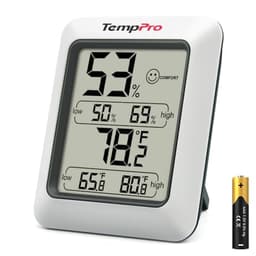
The single most useful winter tool here — a humidity monitor near your plants tells you whether dry air is the real culprit and warns you of the conditions spider mites exploit, before the leaves do.
$8-$15 · Best for Telling dry-air problems apart from the look-alikes
Check price on Amazon →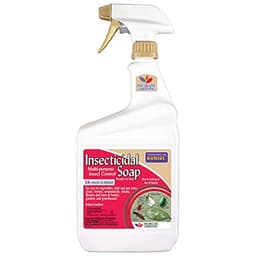
If the tap test confirms mites, this is the first-line contact treatment — it dissolves soft-bodied mites where it lands, with no toxic residue indoors. Coverage matters, so hit the leaf undersides.
$8-$14 · Best for Treating a confirmed spider-mite case
Check price on Amazon →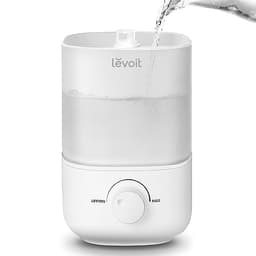
For dry-air brown tips on tropicals, a cool-mist humidifier is the only method that reliably raises humidity for a whole room through a heated winter. Pair it with the hygrometer so you're holding a real target.
$30-$60 · Best for Preventing dry-air damage on humidity-loving plants
Check price on Amazon →Treatment information on PlantFix is educational. When using any pesticide — including organic options like neem oil or insecticidal soap — read and follow the entire product label; the label is the law. For persistent or high-stakes problems, your local university extension service offers free, region-specific advice. Read about how we source and verify treatment guidance in our Editorial Standards.
FAQ
How do I know if it's spider mites or just dry air?▼
Look for specks and webbing. Spider mites leave fine pale stippling across the leaf and sometimes faint webbing at the leaf joints, and they fall onto white paper when you tap the leaf. Dry air instead browns the tips and edges uniformly with no specks and no webbing. If specks drop and crawl on the paper, it's mites; if the brown is a clean crispy edge, it's humidity.
Why do my plants get worse when the heat comes on?▼
Heating dries the air out. Penn State Extension notes indoor humidity can fall below 30% in the heating season, which browns leaf tips on humidity-loving plants, speeds up spider mites (they love hot, dry air), and dries pots faster near vents. It's usually not one disease — it's the dry, warm air setting off several problems at once.
Should I water more in winter because the air is dry?▼
Not automatically — check the soil first. Dry air pulls moisture from leaves, but most plants grow slower in winter and use less water, so watering on your summer schedule can cause root rot. Illinois Extension advises keeping soil on the dry side while never letting the plant wilt. Add humidity for dry-air symptoms; only add water when the soil is actually dry.
Related
- Spider Mites: Identification, Treatment & Prevention Guide →
- Plant Leaves Turning Brown? Read the Location and the Texture →
- Spider Plant Brown Tips: The Tap-Water Cause and the Fix →
- Wilting Plant? The Soil Check That Tells Dry From Wet →
- Humidifier for Plants: Do Yours Actually Need One? →
- Plant Grow Lights: Do You Need One, and Which Kind? →
Not sure what's wrong?
Use the diagnosis tool →Get seasonal plant care reminders and pest alerts.