Calathea Leaves Curling: It's Almost Always Too Dry
A curling calathea is nearly always telling you it's thirsty or the air is too dry. Check the soil and the humidity first — that's the fix nine times out of ten. Here's how to read it.
8 min read · Updated 2026-11-20
By PlantFix Editorial Team · Sources: University Extension Programs, USDA, EPA
Start Here: a Curling Calathea Is Usually Too Dry
When a calathea curls its leaves inward, it's conserving water — and nine times out of ten the reason is a dry rootball or dry air, not some exotic disease. NC State Extension puts the cause plainly for this plant: on Goeppertia (the genus calatheas were recently reclassified into), "Curling of the leaves results from low humidity or inadequate watering." So before you worry about pests or root rot, do two quick checks: push a finger into the soil, and think about how dry your room is. That's where the answer almost always lives.
Calatheas (Calathea, now Goeppertia spp.) are famously dramatic — they're understory rainforest plants being asked to live in a heated living room, and curling is their first distress signal. This guide takes the causes in the order they're actually to blame: dry soil, then dry air, then water quality, then (only if those check out) spider mites — with a tactile "is it the soil or the air?" test as the spine. The flat ten-cause lists that fill this search don't rank them, which is why people chase the wrong fix. If you'd like a second read on a photo, our plant diagnosis tool narrows it down in a few taps.
Dry Rootball: the Leading Cause
This is the first thing to rule out, because it's the most common and the easiest to fix. Calatheas want soil that stays evenly moist — NC State's note is "moist but not soggy or wet" — and when the rootball dries out, the leaves roll up tight to cut their water loss. The tell is simple: the top inch of soil is dry, the pot feels light, and the leaves are curling (often with crisping starting at the edges).
Water it properly rather than with a quick splash. Water slowly until it runs from the drainage holes, let it drain fully, and empty the saucer. If the mix has shrunk away from the sides of the pot and the water just races straight through, the rootball has gone hydrophobic — set the whole pot in a few inches of room-temperature water for 20–30 minutes so it rewets from the bottom, then let it drain. From there, aim to water when the top half-inch feels dry rather than letting it swing bone-dry and back; calatheas hate the drought-then-flood cycle. A thirst-curled calathea usually relaxes its leaves within a day or two of a proper soak.
Low Humidity: the Cause Winter Makes Worse
If the soil moisture is fine but the leaves are still curling and crisping at the edges, the air is the problem. Calatheas demand high humidity — NC State specifies "the humidity level should be above 60%" and recommends a humidifier or wet pebble tray to hold it there. Most homes, especially in winter when the furnace runs, sit far below that, and the plant curls to defend itself against the dry air.
The fix is to actually move the humidity needle, and this is where people waste effort: a quick misting evaporates in minutes and does almost nothing for a plant this thirsty for moist air. Group it with other plants, stand it on a wide pebble tray, or — the only thing that reliably holds 60%+ in a dry room — run a small humidifier nearby. For how to choose and place one so it actually helps, see our guide to humidifiers for plants; we won't repeat the mechanics here. Keep the plant away from cold drafts and the hot, dry blast of a heating vent too, both of which curl and crisp calathea leaves fast.
Tap-Water Minerals: Curling With Brown Edges
Calatheas are unusually sensitive to what's in ordinary tap water, and the damage shows up as curling paired with brown, crispy leaf margins. NC State is specific: water a calathea with "rain water or distilled water" because tap water "contains fluoride and will cause the foliage to turn brown." Those minerals accumulate in the leaf tissue over time, scorching the edges and compounding the curl you'd already get from dry air.
Switch to filtered, distilled, or collected rainwater — for calatheas this is closer to non-negotiable than optional. It also helps to ease off fertilizer (the salts add to the mineral load) and flush the pot every couple of months by watering heavily until it drains freely, which leaches built-up salts out of the soil. Once-browned edges won't turn green again, so trim them for looks if you like, but the real fix is the water going forward.
Check for Spider Mites — the Dry-Air Pest
Here's the one non-environmental cause worth ruling out, and it hides behind the same dry air that causes the curling in the first place. Spider mites thrive in exactly the low-humidity conditions calatheas struggle in, so a stressed, dry-grown calathea is a prime target. The tell is different from simple curling: look on the undersides of the leaves for a fine, sandy stippling of pale specks, and in bad cases faint webbing in the leaf joints.
Do the paper test — hold a sheet of white paper under a leaf and tap it; if tiny specks drop and crawl, you've got mites, not just dry air. Because raising humidity to 60%+ both relieves the calathea and discourages mites, the environmental fixes above do double duty here. But a real infestation needs treating on its own, and our spider mites guide walks the wipe-down, shower, and neem-or-soap routine. Treat confirmed mites there; don't just keep adjusting the watering and hope.
One Thing That Isn't a Problem: Nighttime Folding
Before you treat anything, make sure what you're seeing is actually distress. Calatheas fold their leaves upward at night and reopen them in the morning — a daily praying motion called nyctinasty that gives the whole Marantaceae family its "prayer plant" nickname. That folding is healthy behavior, not the tight, stays-rolled curl this guide is about. If your plant folds up in the evening and lays its leaves flat again by midday, that's a calathea doing exactly what it should; a plant that stops folding at night is often the stressed one.
So the quick read: leaves that open flat during the day but stay curled or cupped are stressed — run back through dry soil, dry air, and water quality above. Leaves that rise and fold on a daily rhythm are fine. Calatheas and their Marantaceae cousins overlap a lot in care, so if yours is a true prayer plant (Maranta) rather than a calathea, our prayer plant leaves curling guide covers the same drama for that plant, and the broader plant leaves curling guide shows how curling reads across other houseplants. When you want a photo to settle thirst versus humidity versus mites, that's exactly what the diagnosis tool is for.
Recommended Products
We earn a commission if you buy through these links, at no extra cost to you. We recommend based on what works, not what pays. How this works.
Calatheas want humidity above 60%, which most homes — especially in heated winter rooms — can't hit without help. A small room humidifier near the plant is the only thing that reliably holds that level; misting evaporates in minutes and a pebble tray alone is usually not enough for a calathea.
$25-$45 · Best for Curling and crispy edges from dry air
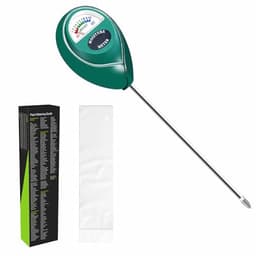
The whole calathea triage turns on wet versus dry, and the surface dries long before the root zone in a moisture-retentive mix. A probe reads moisture down where the roots are so you water on the plant's schedule instead of guessing and letting the rootball swing bone-dry.
$10-$15 · Best for Telling a thirsty calathea from a well-watered one
Check price on Amazon →Treatment information on PlantFix is educational. When using any pesticide — including organic options like neem oil or insecticidal soap — read and follow the entire product label; the label is the law. For persistent or high-stakes problems, your local university extension service offers free, region-specific advice. Read about how we source and verify treatment guidance in our Editorial Standards.
FAQ
Why are my calathea's leaves curling?▼
Almost always because it's too dry. NC State Extension states that curling of calathea leaves results from low humidity or inadequate watering, so check the soil and the room's humidity first. If the top inch of soil is dry, give it a thorough soak; if the soil is fine but the air is dry (common in heated winter rooms), raise humidity above 60%. Tap-water minerals and spider mites are less common causes worth ruling out after those.
Will curled calathea leaves uncurl again?▼
Often, yes — if the curl is from thirst or dry air and you fix it quickly. A calathea curls its leaves to conserve water, so once you give it a proper soak and raise the humidity, recently curled leaves usually relax within a day or two. Leaves that have already browned and gone crispy at the edges won't recover and can be trimmed, but newer curled leaves should reopen once the plant is comfortable.
Does tap water make calathea leaves curl?▼
It can, and it shows up as curling with brown, crispy edges. NC State Extension advises using rain or distilled water for calatheas because tap water contains fluoride that causes the foliage to brown. The minerals build up in the leaf tissue and scorch the margins. Switch to filtered, distilled, or rainwater, ease off fertilizer, and flush the pot occasionally to leach out accumulated salts.
Is it normal for my calathea to curl up at night?▼
Yes. Calatheas fold their leaves upward each evening and reopen them in the morning — a natural daily movement called nyctinasty that earned the Marantaceae family the "prayer plant" name. That folding is a sign of a healthy plant, not distress. Worry only about leaves that stay curled or cupped during the day, which point to dry soil, low humidity, or water quality.
Related
- Why Are My Prayer Plant Leaves Curling? (Normal vs. Distress) →
- Plant Leaves Curling? 7 Causes and the Fix for Each →
- Prayer Plant Yellow Leaves: Where It Starts Tells You Why →
- Spider Mites: Identification, Treatment & Prevention Guide →
- Humidifier for Plants: Do Yours Actually Need One? →
- Why Is My Plant Dying? Start With the Alive-or-Dead Check →
Plants Commonly Affected
Not sure what's wrong?
Use the diagnosis tool →Get seasonal plant care reminders and pest alerts.